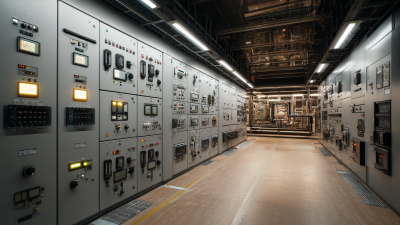
Soft Start Stop systems have really changed the game when it comes to how industries operate their machinery. I mean, just think about it — according to John Thompson from Automation Solutions, ditching the old way and adopting this tech can seriously cut down on wear and tear on equipment. His take makes it clear that these systems aren’t just a nice-to-have; they actually boost efficiency and extend machinery life.
Now, I get it — at first glance, the upfront costs might seem a bit steep. But honestly, when you look at the big picture, the savings you get in the long run are pretty impressive. These systems help reduce the mechanical stress that gears and motors face when starting up or shutting down, which means your machines last way longer and need fewer repairs.
Plus, with energy efficiency being more and more of a concern these days, Soft Start Stop systems help out there too. They make sure everything runs smoothly without wasting power, which can really cut down on energy bills and even help lower your carbon footprint. That said, picking the right system can feel a bit overwhelming with all the options out there. It’s important to find a good balance between performance and costs to make the best choice — takes some research, for sure, but it’s worth it in the end.
Soft start stop systems offer significant advantages, particularly in energy efficiency. According to the Department of Energy, using such systems can reduce energy consumption by up to 40% in motor operations. This is essential, given that industrial motors account for nearly 70% of global energy usage. By minimizing the initial inrush current, these systems prevent unnecessary energy waste, leading to lower utility bills.
Moreover, improved energy efficiency contributes to a longer equipment lifespan. Equipment wear and tear can increase dramatically when subjected to high starting currents. A study from the Electric Power Research Institute highlights that soft start technologies can extend the life of motors by 25-30%. This longevity translates into reduced maintenance costs and fewer replacements, enhancing overall operational efficiency.
While the benefits are significant, organizations may overlook initial costs. Implementing soft start stop systems may require additional investment upfront. However, the long-term savings on energy and maintenance often justify this cost. Companies must weigh the initial financial outlay against potential future savings and environmental impact. Balancing short-term expenditures with long-term gains can be challenging, but the benefits often reveal themselves over time.
Soft start stop systems offer significant benefits, especially in reducing mechanical stress on motors and equipment. These systems start machines smoothly. They minimize the initial surge of power, which can cause drastic wear and tear. Regular starts and stops can lead to equipment failure over time. By reducing abrupt changes in speed, these systems enhance longevity.
Moreover, soft start technology ensures smoother operation. It limits torque spikes during startup. This gradual increase in power helps protect both the motor and the machinery it drives. For instance, conveyor belts and pumps often suffer damage from sudden jolts. Implementing soft start systems can prevent these costly repairs.
Despite these advantages, users must consider proper installation and maintenance. Incorrect setup may lead to less effective stress reduction. Additionally, understanding the specific needs of applications is crucial. Not all equipment may benefit equally from soft start systems. A careful analysis can reveal the best fit for each situation.
Soft start-stop systems have become critical in enhancing the operational lifespan of machinery. By gradually ramping up power, these systems reduce mechanical stress during start-up, significantly minimizing wear and tear. According to a report by the International Electrotechnical Commission, machinery can experience up to a 50% reduction in mechanical failure when utilizing soft start technology. This translates to extended operational life and lower replacement costs for operators.
Machinery downtime can be costly. A study published in the Journal of Manufacturing Processes indicates that unplanned downtime can cost companies over $250,000 per hour. Soft start-stop systems can help reduce this by ensuring smoother operations. Furthermore, they reduce energy consumption, leading to additional savings in operational costs. With a reported energy reduction of up to 30% during start-up phases, companies can see a significant return on investment.
In some cases, companies may underestimate the long-term benefits. While the initial cost might seem higher, the durability gained from reduced stress outweighs this concern. Equipment failures often happen suddenly, which can cause unexpected disruptions. Implementing soft start-stop systems allows for better control over machinery, thus diminishing the risk of failure. The operational lifespan of machinery becomes a more predictable variable, fostering reliability in production schedules.
Soft start stop systems offer significant benefits in reducing electrical surge currents during start-up. When machines initiate, they can draw high inrush currents, which can damage both the equipment and power systems. According to industry research, a soft start system can reduce these inrush currents by up to 80%. This reduction not only prolongs equipment lifespan but also minimizes the risk of circuit breaker trips.
For those involved in purchasing decisions, consider the implications of electrical surge reduction. Beyond protecting equipment, minimizing surge currents can enhance overall system efficiency. Devices operated with soft start technology often show less wear, increasing operational reliability. In many cases, implementing this technology leads to savings in maintenance costs over time.
Many facilities still rely on traditional start-up methods. This can lead to substantial electrical spikes, which may result in costly downtime. Investing in soft start technology can prevent these issues and provide a smoother transition to operation. It’s important to evaluate the specific needs of equipment and consult with professionals for optimal outcomes. Equip your facility with the right technology to ensure both performance and longevity.
Soft start stop systems offer significant enhancements in controlling the machinery operations. Through gradual acceleration and deceleration, these systems help in minimizing mechanical stress. Reducing sudden shock not only prolongs equipment life but also improves operational efficiency. Users experience a smoother transition during machine start and stop, which is crucial in various industrial applications. The technology ensures that machines do not abruptly start or stop, reducing the risk of accidents.
When implementing soft start stop systems, consider the environment where the machinery operates. Pressure and load variations can impact performance. Adjust settings to fit specific needs. Regular maintenance plays an essential role in ensuring reliability. This includes checking system calibration and ensuring smooth operation.
For optimal results, training operators is as crucial as installing the system. Understanding the technology enhances worker safety and operational proficiency. Encourage teamwork when making adjustments or troubleshooting issues. Always be open to feedback for continuous improvement. Taking a proactive approach can help in optimizing the overall performance of the machinery.
Soft start stop systems significantly reduce noise pollution during operation. Traditional machinery often emits excessive noise, which can be harmful to both operators and nearby communities. According to a study by the Noise Control Foundation, workplace noise can cause distractions, stress, and even long-term health issues.
Using soft start technology minimizes abrupt motor starts, leading to smoother acceleration and deceleration. This gradual change reduces noise emissions, creating a more pleasant working environment. An analysis conducted by the International Journal of Environmental Research suggests that noise levels can decrease by up to 15 dB(A) with the implementation of these systems. Such a reduction can greatly enhance comfort and productivity.
Manufacturers and facility managers face increasing pressure to comply with noise regulations. Implementing soft start stop systems not only aids compliance but also enhances the reputation of a business. Notably, some facilities report a 25% increase in employee satisfaction after the installation of these systems. The positive impact on mental well-being cannot be overstated, as employees benefit from a quieter workspace. However, some systems may require an initial investment and might have complex installation processes. It’s crucial that buyers weigh these factors against the long-term benefits of reduced noise pollution.
Soft start-stop systems have gained traction in various industries, particularly for their cost-saving benefits. These systems reduce energy consumption during startup, leading to lower operational costs. A report from the U.S. Department of Energy highlights that motor-driven systems account for nearly 70% of industrial electricity use. Implementing soft start-stop technology can cut energy costs by up to 30%. This makes a compelling case for buyers focused on long-term fiscal responsibility.
Another key advantage is the reduction in wear and tear on equipment. By minimizing the mechanical stress during startups, these systems extend the lifecycle of motors and associated gear. According to a study published by the Association of Energy Engineers, equipment failures can cost businesses millions in downtime and repairs. Buyers can significantly mitigate these risks through the adoption of soft start-stop systems, promoting not only reliability but also operational efficiency.
Additionally, the environmental impact is noteworthy. Lower energy consumption directly translates to reduced carbon emissions. Many organizations are now motivated to adopt practices that contribute to sustainability. This shift aligns with global trends toward energy efficiency and environmental accountability. As industries continue navigating these changes, the economic advantages of soft start-stop systems will likely drive further investments in this technology.
The optimization of industrial motor performance is crucial for enhancing operational efficiency and reducing energy consumption. The SCKR1-3000 series bypass soft starters serve as a significant advancement in this domain, employing cutting-edge power electronic and microprocessor technologies. These intelligent motor soft starters are designed specifically for heavy load applications, including fans, pumps, conveyors, and compressors, where controlled starting and stopping are essential to prevent mechanical stress and prolong equipment lifespan.
By utilizing modern control theory, the SCKR1-3000 series allows for smooth motor startups, minimizing torque spikes that can lead to equipment damage. This not only ensures the integrity of the machinery but also contributes to energy savings by optimizing the current draw during the starting phase. Furthermore, the sophisticated algorithms integrated into these starters enable precise monitoring and management of motor performance, providing valuable insights for operators to maintain efficient and reliable operations.
Incorporating the SCKR1-3000 series into an industrial setting can significantly enhance productivity and safety. The easing of the startup process not only protects the components of heavy machinery but also leads to reduced maintenance costs over time. With their robust design and innovative technology, these soft starters are an indispensable solution for industries looking to improve their motor performance and operational reliability.
: They are technologies that start machines smoothly and reduce mechanical stress on motors and equipment.
They minimize initial power surges, which can lead to wear and tear, thus enhancing longevity.
Incorrect setup may reduce the effectiveness of stress reduction and lead to operational issues.
They ensure smoother transitions, minimizing shock and decreasing the risk of accidents.
Operators who understand the technology increase safety and efficiency, impacting overall productivity.
They can save energy costs by up to 30%, reducing operational expenses in the long run.
Lower energy consumption reduces carbon emissions, aligning with trends toward energy efficiency.
The operating environment's pressure and load variations can significantly impact performance.
Not all equipment may equally benefit; a careful analysis is needed for the best fit.
Regular checks ensure reliability and smooth operation, preventing unexpected failures.
Soft Start Stop systems offer numerous benefits that significantly enhance operational efficiency. One of the primary advantages is improved energy efficiency, which not only reduces energy consumption but also contributes to cost savings over time. These systems lessen mechanical stress on motors and equipment, ultimately leading to a longer operational lifespan for machinery. Additionally, the ability to minimize electrical surge current during start-up ensures a smoother initiation process while providing enhanced control over machine start and stop procedures.
Moreover, Soft Start Stop systems contribute to a quieter operational environment by reducing noise pollution during machinery use, which is beneficial in various settings. The combination of these factors creates significant economic advantages, making Soft Start Stop systems a wise investment for long-term operational cost savings. Overall, the adoption of these systems can lead to a more sustainable and efficient way of managing industrial machinery.