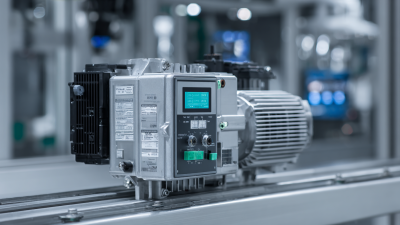
Switching from a single-phase to a three-phase Variable Frequency Drive (VFD) really can shake things up when it comes to how efficiently a lot of industries run. I recently read something John Smith from PowerDrive Solutions said, and it stuck with me—he mentioned, “Moving to a three-phase VFD can seriously boost performance and cut down costs.” That right there highlights why so many businesses see this upgrade as a big deal.
Upgrading your VFD from single to three-phase doesn’t just sound fancy – it actually makes a difference. With a three-phase setup, motors tend to run smoother, and the torque delivery gets a boost, which means less hiccups during operation. Plus, you might see less downtime overall. That said, I get it—some companies hesitate because of the upfront costs or because they think the switch might be complicated. It’s definitely worth weighing the long-term gains against those initial worries.
About maintenance—yeah, it might change a bit. While three-phase systems are generally more reliable, keep in mind that they could need some more specialized knowledge to keep everything running smoothly. So, understanding these little nuances is key to making a smart decision. Transitioning from single to three-phase VFDs can be a game-changer for a lot of organizations, but making that call really calls for some careful thought and planning.

Advantages of Increased Power Efficiency in Three Phase VFDs
Upgrading from a single-phase to a three-phase variable frequency drive (VFD) offers significant advantages in power efficiency. With three-phase systems, power delivery becomes smoother. This stability reduces electrical stress on motors. Motors run cooler and last longer. Better motor performance translates into decreased operational costs.
Moreover, three-phase VFDs excel in energy usage. They convert more energy into usable power. This efficiency can lead to noticeable energy savings. Industrial applications often experience up to 30% lower energy consumption. Over time, these savings add up, making a strong case for the upgrade.
However, the transition isn't without challenges. Installation might require additional technical expertise and resources. The initial investment is higher than single-phase options. Yet, businesses must consider long-term benefits. A well-implemented three-phase system can drastically improve overall productivity. Each operation must weigh these factors carefully before deciding.
Improved Motor Performance and Torque Control with Three Phase Systems
Upgrading from a single-phase to a three-phase Variable Frequency Drive (VFD) brings substantial benefits to motor performance. Three-phase systems provide a more consistent power supply. This leads to improved torque output, especially during startup and at lower speeds. The smooth operation reduces stalling, ensuring machinery runs more reliably.
Another key advantage of three-phase VFDs is enhanced control over the motor. With the ability to vary frequency, operators can fine-tune the motor to match specific requirements. This flexibility allows for better energy efficiency, often reducing operational costs. However, integrating a three-phase system may involve initial setup complexities and costs. Organizations must evaluate if the long-term benefits outweigh these challenges.
Additionally, three-phase systems can produce higher power outputs without increasing the size of the motor. This means smaller, lighter equipment can achieve the same performance as larger units. However, there may be a learning curve for staff unfamiliar with three-phase systems. Investing in training can help mitigate this issue, ensuring safe and efficient operation.
Enhanced Load Management Capabilities with Three Phase VFDs
Upgrading from a single phase to a three phase variable frequency drive (VFD) offers significant benefits, especially in load management. Three phase VFDs can handle higher loads more efficiently. This capability enhances overall system performance. When managing heavy machinery, a three phase system can provide smoother operation.
Distributing the load evenly helps to reduce wear and tear on equipment.
Moreover, three phase VFDs improve energy efficiency. They optimize the power supply and minimize energy losses. This not only reduces operational costs but also contributes to sustainability. In industrial settings, where energy consumption is high, the savings can be substantial. However, it is crucial to analyze if the initial investment aligns with long-term benefits.
There may be challenges, too. Implementing a three phase system can involve complex wiring and configuration. Personnel need appropriate training to operate and maintain these systems. It's vital to weigh these factors against the potential operational gains. Investing in expertise may help mitigate these pitfalls. Therefore, adopting three phase VFDs requires careful planning and consideration.
Reduction in Harmonics and Improved Power Quality in Three Phase Drives
Upgrading from single-phase to three-phase Variable Frequency Drives (VFDs) brings notable advantages, particularly in harmonics reduction and power quality enhancement. In a three-phase system, the current flow is smoother and more balanced, leading to less distortion. This stability directly reduces harmonics, which can otherwise cause overheating and inefficiencies in motors and other equipment.
Improved power quality is another significant benefit. Three-phase drives manage power more efficiently, optimizing energy consumption. They distribute loads evenly across phases, which enhances the overall performance of industrial systems. Operators often report lower operational costs and fewer interruptions due to equipment failures.
However, the transition to three-phase VFDs is not without challenges. It requires careful consideration of system compatibility and additional setup costs that might deter some users.
Ultimately, while the benefits of three-phase VFDs are substantial, organizations must weigh these against potential complexities. Ensuring adequate training for operators is essential. Performance gains can be impressive, but they hinge on proper implementation and ongoing system management. The journey from single-phase to three-phase systems merits reflection and planning for a successful upgrade.
Greater Reliability and Durability with Three Phase VFD Solutions
Upgrading from a single-phase to a three-phase Variable Frequency Drive (VFD) offers considerable reliability and durability improvements. According to industry reports, three-phase VFDs demonstrate a lifespan that can exceed 20 years with proper maintenance. This longevity is attributed to their ability to manage heat more effectively than single-phase drives. The design of three-phase systems minimizes stress on components, lessening the chance of failure.
Three-phase VFDs also improve motor efficiency. They provide smoother torque and reduce vibration, leading to quieter operation. The efficiency gain can be substantial; studies show that motors controlled by three-phase VFDs can operate up to 30% more efficiently than their single-phase counterparts in specific scenarios. This translates directly into lower energy costs and reduced environmental impact.
**Tips:** Always assess your specific application to ensure compatibility with three-phase systems. Not all processes will benefit from the upgrade. Regular maintenance checks on the VFD can also prevent unexpected failures, improving the overall reliability of your motor systems. Investing in training for operators on how to handle three-phase systems can mitigate risks associated with more complex technologies.
Top Benefits of Upgrading from Single to Three Phase VFD
This chart illustrates the top five benefits of upgrading from single-phase to three-phase Variable Frequency Drives (VFDs), highlighting aspects such as increased efficiency, improved torque, better reliability, extended lifespan, and lower operating costs.
Flexibility and Scalability of Systems with Three Phase VFD Upgrades
Upgrading from single-phase to three-phase Variable Frequency Drives (VFDs) offers remarkable flexibility and scalability. A three-phase VFD system can support larger motors efficiently, allowing for increased power and performance. According to a report from the International Energy Agency, industrial applications that switch to three-phase systems often experience a 20-30% increase in efficiency. This improvement directly translates into energy savings and lower operational costs.
Three-phase VFDs allow for better load balancing and reduced harmonics. This means machinery runs smoother with fewer interruptions. For instance, differential loading between phases minimizes peak demand charges. Industry standards suggest that harmonic distortion can drop substantially, often by up to 50%, enhancing overall system reliability. It's essential to monitor power quality continually. Neglecting this could lead to unexpected downtime or even equipment failure.
Scalability is another critical advantage. As operations grow, businesses can expand their systems without significant overhauls. This modular approach means a company can add equipment or upgrade existing systems affordably. However, scaling comes with challenges; careful planning and analysis are vital. A miscalculation in capacity can result in inefficient operations. Industry studies indicate that 70% of scalability issues arise from inadequate initial planning. Investing in a robust three-phase VFD setup could prevent future setbacks.
Top Benefits of Upgrading from Single to Three Phase VFD
| Benefit |
Description |
Impact on System |
Energy Efficiency Gain (%) |
| Increased Efficiency |
Three-phase motors are generally more efficient than single-phase motors. |
Reduces energy consumption and operational costs. |
10-30% |
| Improved Performance |
Three-phase systems can handle higher loads and provide smoother operation. |
Enhances machinery reliability and lifespan. |
N/A |
| Scalability |
Easily add more equipment without significant reinvestment. |
Allows for future expansion and growth. |
N/A |
| Reduced Vibration |
Three-phase motors operate with less vibration than single-phase motors. |
Promotes quieter operations and reduces wear on components. |
N/A |
| Improved Torque |
Provides greater starting torque with smoother operation under load. |
Enhances the ability to lift and move heavy loads. |
N/A |
Cost-Effectiveness Over Time: Analysis of Three Phase VFD Benefits
Upgrading from single phase to three phase Variable Frequency Drives (VFD) offers significant cost-effectiveness over time. Three phase systems often deliver better efficiency due to balanced load distribution. This lowers energy consumption and operational costs in the long run. A well-designed three phase VFD minimizes energy waste, translating into substantial savings on electricity bills.
Consider the operational stability that three phase VFDs provide. The continuous power delivery ensures that machinery runs smoothly with reduced vibration and wear. A stable electrical system leads to fewer maintenance issues. This can save considerable repair costs and downtime. The investment in a three phase system might seem higher initially, but the benefits accumulate over time.
**Tips:** Regular monitoring of energy consumption can highlight savings. Evaluate the total operating costs before making a switch. Think about long-term rather than short-term gains. Reflect on your current system's performance; are you really maximizing efficiency?
Comprehensive Guide to Choosing and Using the General VFD 55kw 380V Inverter for Efficient Motor Speed Control
When it comes to efficient motor speed control, choosing the right inverter is crucial for optimizing performance and reliability. The General VFD 55kw 380V Inverter stands out as an excellent choice for various applications, offering a robust solution for regulating motor speeds with precision and effectiveness. This comprehensive guide will help you navigate the essential factors to consider when selecting and utilizing this type of inverter.
A key aspect of the General VFD 55kw inverter is its adaptability to different types of motors, making it suitable for a wide range of industrial applications. The inverter is designed with features that allow for smooth and reliable control over motor operations, which is vital for maintaining energy efficiency and prolonging equipment life. Additionally, users can take advantage of its 18-month warranty, underscoring the manufacturer’s confidence in its durability and performance.
To maximize the benefits of this inverter, proper installation and configuration are essential. Understanding the settings and functionalities can help you fully utilize the inverter's capabilities. It is important to follow best practices during installation and regularly perform maintenance checks to ensure optimal operation. By leveraging the advantages of the General VFD 55kw inverter, you can achieve remarkable improvements in your motor speed control processes.
FAQS
: Upgrading to a three-phase VFD improves load management, enhances system performance, and offers better energy efficiency.
It provides smoother operation and distributes the load evenly, reducing wear and tear on equipment.
It optimizes power supply, minimizes energy losses, and can lead to substantial savings in industrial settings.
Yes, it involves complex wiring and may require personnel training for proper operation and maintenance.
Three-phase VFDs efficiently support larger motors and allow for increased power and performance without major system overhauls.
Excessive harmonic distortion can disrupt machinery operations; monitoring power quality is essential to avoid downtime.
Businesses can expand their systems as operations grow, making it easier to add equipment affordably.
Miscalculating capacity can lead to inefficient operations, often due to inadequate initial planning.
Switching to three-phase VFDs may lead to a 20-30% increase in efficiency, according to industry reports.
Investing in knowledge can help mitigate potential pitfalls and ensure smooth operation and maintenance of the system.
Conclusion
Upgrading from Single to Three Phase VFD significantly enhances power efficiency, offering greater energy savings for industrial applications. Three Phase VFDs provide improved motor performance and precise torque control, leading to smoother operations and better handling of varying loads. With their advanced load management capabilities, these systems can handle fluctuations more effectively, reducing the risk of overloads.
Additionally, transitioning to Three Phase VFDs minimizes harmonic distortion, resulting in improved power quality and increased system reliability. The durability of Three Phase VFD solutions further ensures long-term performance, making them a cost-effective investment. Moreover, these systems offer flexibility and scalability, allowing for easy integration into existing setups and accommodating future expansions. Overall, the benefits of moving from Single to Three Phase VFD are clear, offering enhanced operational efficiency and significant long-term cost savings.