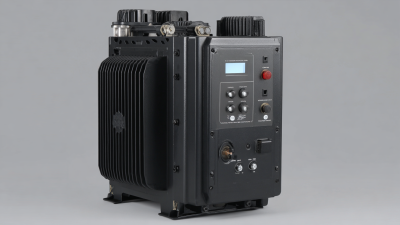
You know, in today’s industrial world, everyone’s really feeling the need for energy-efficient solutions. The market for Low Voltage Soft Starters, in particular, is expected to boom — I mean, it’s projected to hit around USD 3.2 billion by 2027, according to MarketsandMarkets. These devices are pretty crucial because they help control the starting currents of electric motors, which means they can help prevent those annoying energy spikes that might damage the equipment. Picking the right soft starter can really boost efficiency and even make your gear last longer — it’s worth paying attention to.
But hey, figuring out which model to go for isn’t always straightforward. You’ve got to consider a bunch of factors like the size of your motor, what kind of application you’re using it for, and the environment it’s going into. For instance, if you need something for a tough environment with lots of dust or moisture, then you’ll want a soft starter that offers good protection against those elements. Too many people overlook these details, which can lead to less-than-ideal performance and higher costs down the line. So basically, making a smart choice depends on understanding exactly what you need and knowing the ins and outs of the products available.
And let’s be real, not everyone has the same level of expertise when it comes to this stuff, which can make picking the right device even trickier. Luckily, big players like Siemens and Schneider Electric do a pretty good job providing detailed resources and support to help guide your decision. Still, with all these options and technical details, it can get pretty overwhelming. Sometimes, the best move is to chat with a professional — that way, you avoid mistakes, and you’re more likely to end up with a soft starter that really fits your specific setup and needs.
Low voltage soft starters are essential for various applications. They provide controlled starting and stopping of electric motors. This protection reduces stress on machinery and extends its lifespan. Soft starters are commonly used in pumps, fans, and conveyors. Understanding their operation can help in selecting the right one for your needs.
When choosing a soft starter, consider the motor size and application type. Different industries have unique requirements. It's crucial to understand operational loads and environmental conditions. For example, some environments may require more robust protective features. Common features include adjustable ramp-up and ramp-down times. Not all starters include these options, so evaluate your needs carefully.
Choosing the wrong soft starter can lead to inefficiencies. This oversight may cause unintended damage to equipment. Reflect on your specific application requirements. Evaluate potential challenges in operation. Soft starters are not one-size-fits-all solutions. Taking the time to understand their applications can lead to better decision-making. Proper selection and application can improve performance significantly.
| Feature | Standard Range | Advanced Range | Premium Range |
|---|---|---|---|
| Voltage Rating | 230V - 400V | 230V - 690V | 230V - 690V |
| Current Rating | Up to 60A | Up to 120A | Up to 150A |
| Control Method | Basic Start and Stop | Soft Start with Timer | Comprehensive Control and Monitoring |
| Protection Features | Overload Protection | Overload and Phase Loss Protection | Full Overload, Phase Sequence, and Short Circuit Protection |
| Communication Protocol | None | Modbus RTU | Ethernet and Profibus |
| Typical Applications | Pumps and Fans | Compressors and Conveyors | High-Power Equipment and Heavy Machinery |
Selecting the right low voltage soft starter requires careful consideration of several key features. One of the most critical aspects is the starting current limit. It is essential to ensure the soft starter can handle the maximum inrush current of your motor. Data from the International Electrotechnical Commission suggests that an inappropriate current limit can cause overheating and damage.
Another important feature is the control method. Soft starters can operate using different control techniques, such as voltage control or ramp-up control. Each method has its advantages and potential downsides. For instance, while ramp-up control is gentler on motors, it may not be suitable for all applications, especially those requiring rapid starting times.
Thermal management is also vital. A soft starter must have efficient cooling mechanisms to prevent overheating during operation. According to recent industry studies, up to 30% of failures in motor control systems are due to inadequate thermal protection. Users should choose products that offer reliable thermal overload protection to enhance longevity and efficiency. This reflects the fine balance between performance and reliability that must be achieved in motor control applications.
When choosing a low voltage soft starter, understanding the types available is crucial.
Direct-on-line starters are simple and cost-effective. They work well for smaller motors. However, their performance might not suit larger applications.
For these, star-delta starters offer a smoother start. This reduces stress on machinery, prolonging their lifespan.
Another option is the ramp-up soft starter. These gradually increase voltage, minimizing torque spikes.
This is especially beneficial for pumps and conveyors. However, installations can be more complex and costly.
There are also advanced electronic soft starters, which provide precise control. They adapt to various loads,
but require expert knowledge for setup.
Ultimately, the best choice depends on specific needs. Weigh the advantages and disadvantages of each type before making a decision.
Reflect on the operational environment and future demands. In some cases, a simpler solution might suffice, while other situations may require sophisticated technology.
Balancing these factors is vital for optimal performance.
Evaluating power requirements is crucial when selecting the right low voltage soft starter. Understanding your application’s specific needs ensures you choose a device that performs optimally. Start by assessing the motor's full-load current. This measurement indicates the amount of current the motor draws under normal operating conditions. Knowing this helps to match the soft starter's current rating effectively.
Next, consider the starting method. Different applications may require distinct starting profiles. For instance, high-inertia loads need a gradual ramp-up to avoid jolts. In contrast, lighter loads might require a quicker start. Each application has its unique characteristics, and miscalculating these can lead to inefficiencies.
Another important aspect is the duty cycle. Some applications run continuously, while others may operate intermittently. This impacts the thermal rating of the soft starter. If you overlook this, it could lead to overheating or damage. Analyzing these factors allows you to make an informed choice. Remember, the goal is to achieve reliability and efficiency tailored to your specific needs.
When selecting a low voltage soft starter, control and protection features are essential. These elements ensure your motor operates safely and efficiently. Look for features like overload protection, phase failure protection, and under-voltage protection. Each of these adds a layer of security to your motor, preventing costly damage and downtime.
**Tip:** Evaluate your motor's starting requirements. If your application involves frequent starts, consider a soft starter with advanced control features. This can enhance performance and reduce electrical stress on the motor. Conversely, simpler applications might not require extensive functionalities.
Another vital aspect is the control method. Variable settings allow you to fine-tune the soft starter's performance to your application's specific needs. Dimming or ramp-up speeds can significantly impact energy usage and overall system efficiency.
**Tip:** Analyze the installation environment. Environmental factors can affect your choice of features. For example, high humidity might demand additional protective features to ensure reliability. Always plan for your system’s unique conditions to make the best decision.
This bar chart illustrates the importance levels (on a scale of 1 to 10) for various control features of low voltage soft starters. Users can use this information to prioritize features when selecting a soft starter that meets their specific needs.
When considering the acquisition of a low voltage soft starter, budget plays a crucial role. The initial cost may vary significantly based on features and specifications. Industry reports suggest that high-quality soft starters can range from $200 to $1,500. However, it's essential to factor in not just the purchase price but also the long-term savings. Choosing the right soft starter can improve energy efficiency, potentially lowering your operational costs by as much as 30%.
One common oversight in budgeting is neglecting installation costs. Professional installation can add 20% to 30% to your initial investment. Moreover, predictive maintenance can reduce unexpected costs. Regular checks might seem like an added expense, but they can save up to 50% in replacement costs. Many users forget this simple step and face significant financial strain later.
Tip: Always compare the total cost of ownership, which includes maintenance, energy savings, and installation.
Be mindful of varying specifications and how they affect price. For instance, advanced features like programmable logic might increase costs substantially. Evaluating your actual needs is vital. Rushing into a purchase can lead to regrets and unanticipated expenses. Aim for a balance between cost and functionality, ensuring your investment meets your operational requirements effectively.
When installing a low voltage soft starter, attention to detail is essential. First, ensure the installation location is clean and dry. Soft starters can fail due to moisture or dust accumulation. According to a report by the International Electrotechnical Commission, improper installation can reduce equipment lifespan by up to 30%. Familiarize yourself with the specific requirements for your application, including voltage ratings and current limits.
Regular maintenance plays a crucial role in soft starter performance. It’s recommended to inspect connections and components every six months. This frequency can help identify loose connections and signs of wear early. Records show that up to 40% of soft starter failures are linked to inadequate maintenance. A well-documented maintenance routine can enhance reliability and prevent unplanned downtimes.
Consider routine testing of control functions. A simple test can prevent catastrophic failures. Many professionals overlook this step, leading to unexpected repairs. Always keep an eye out for unusual sounds during operation. These can signal issues that may need addressing. Maintaining an open line of communication with your team about soft starter performance can also foster a proactive approach to maintenance.
: Key features include overload protection, phase failure protection, and under-voltage protection to ensure safe motor operation.
Consider a soft starter with advanced control features if your application requires frequent starts.
Variable settings allow you to customize performance, impacting energy usage and overall efficiency.
Analyze environmental factors like humidity. These can affect the reliability and choice of protective features.
Initial costs vary widely, ranging from $200 to $1,500. Include long-term savings in your calculations.
Many neglect installation costs, which can add 20% to 30% to the total investment.
Regular maintenance can reduce replacement costs by 50%. Skipping this can lead to significant expenses later.
It includes purchase price, maintenance, energy savings, and installation costs. Comparing these is crucial.
Evaluate your actual needs before investing in advanced features, as they can significantly increase prices.
Rushing can lead to regrets and unexpected expenses. Balance cost and functionality to meet your needs effectively.
Choosing the right Low Voltage Soft Starter involves a comprehensive understanding of its features and applications. Low Voltage Soft Starters are crucial for managing the starting and stopping of electric motors, helping to reduce inrush current and mechanical stress. When selecting a soft starter, it is essential to consider key features such as power ratings, control options, and protective measures suited to your specific needs. Also, evaluating the power requirements for your application and the associated costs is vital for effective budgeting.
Furthermore, being informed about the various types of Low Voltage Soft Starters and their advantages can greatly aid in making an informed choice. Best practices for installation and maintenance should also be followed to ensure optimal performance and longevity of the soft starter. By carefully addressing these factors, you can maximize efficiency and reliability in your motor control applications.