You know, the
Three phase motors are essential in various industrial applications. They provide efficient and reliable power for heavy machinery, pumps, and fans. Unlike single-phase motors, three-phase motors deliver a continuous flow of energy. This results in higher torque and smoother operation. Many industries depend on these motors for their daily operations.
The importance of three-phase motors extends beyond just power. Their design allows for easier maintenance and durability. Within manufacturing plants, these motors can reduce operational costs significantly. They operate with less vibration, leading to fewer breakdowns. However, the initial installation can be complex, causing delays.
Using soft starters with three-phase motors can address some challenges. Soft starters help reduce inrush current during startup. This can enhance the longevity of the motor and the connected machinery. The technology is effective, but it requires precise calculations during implementation. A poorly configured soft starter may lead to operational inefficiencies. Each installation needs careful consideration and planning based on specific needs.
The principle of soft start in three-phase motors is based on controlling the voltage applied to the motor at startup. By gradually increasing the voltage, the motor avoids the high inrush currents that can cause mechanical stress. Easing this transition can lead to less wear on components and extend the motor’s lifespan. Industry standards suggest that soft starters can reduce starting current by up to 50%, which is significant for energy savings.
Soft start systems utilize various methods, such as voltage ramping or reduced voltage starting techniques. According to the Electric Power Research Institute, these systems can reduce peak current demand by about 30%, which lowers the risk of tripping circuit breakers. The smooth acceleration minimizes torque spikes, leading to improved alignment and reduced maintenance costs.
While soft starters boost efficiency, they are not universally suitable. Some applications may demand immediate full torque, where soft start may slow production. Operators must analyze their needs. A soft start system may add initial costs. However, the long-term savings from reduced energy consumption and maintenance can offset these expenses. Proper evaluation is crucial for effective implementation.
Soft start systems for three-phase motors provide crucial advantages for various applications. These systems gradually ramp up the motor speed, minimizing electrical stress. This approach reduces inrush current, which can otherwise damage components. By controlling the starting torque, soft starts protect mechanical parts during startup. Less mechanical strain extends the lifespan of equipment.
Another benefit lies in energy efficiency. A smooth start lowers energy consumption. This can lead to significant savings over time. Facilities often see lower utility bills when soft starts are utilized. In some cases, process stability improves, enhancing overall operational efficiency.
However, the implementation of soft start systems can pose challenges. Proper tuning is needed for optimal performance. If not set correctly, these systems might not deliver expected results. Operators must understand the equipment and its requirements deeply. It’s essential to monitor the system's performance regularly to ensure effectiveness.
Soft starters have become essential in industrial settings, particularly for three-phase motors. They help reduce inrush currents. This is crucial when starting large motors. Research indicates that the use of soft starters can cut starting currents by up to 60%. This reduction helps maintain the integrity of electrical systems.
In sectors like manufacturing and mining, soft starters facilitate smooth motor operations. Equipment experiences less mechanical stress. In fact, data from industry reports shows that incorporating soft starters can extend motor life by 30%. This translates to fewer repairs and downtime. Enhanced productivity is a significant advantage.
Yet, soft starters are not a one-size-fits-all solution. Some industries may overlook their proper configuration. Incorrect settings can lead to inefficiencies. For example, not adjusting acceleration times can cause unnecessary wear on the system. Companies need to regularly assess their use of soft starters to maximize their benefits.
Soft start and direct on-line (DOL) starting are two common methods for operating three-phase motors. During a DOL start, motors draw a much larger current initially. This high inrush current can be damaging in the long run. Soft starts gradually ramp up voltage, allowing for a controlled increase in motor speed. This process reduces mechanical stress significantly.
Consider the impact on machinery. A soft start can prolong the lifespan of equipment. It minimizes torque spikes that often lead to wear and tear. However, there may be additional costs associated with soft start systems. Not every application requires the benefits they bring.
Comparing the two methods requires careful analysis. While DOL is simpler, it can cause issues in sensitive systems. Not all operations need the delayed start that soft starts provide. Some facilities may prioritize cost over long-term benefits. Reflecting on these choices is essential for optimally managing energy consumption and equipment health.
In this chart, we compare the benefits of using a Soft Start versus Direct On-Line Starting for three phase motors. The Soft Start method scores higher on the benefits scale due to its ability to minimize inrush current, reduce mechanical stress, and improve overall energy efficiency.
Understanding the key components of soft start systems for three-phase motors is essential for optimizing motor performance. Soft starters reduce inrush current during motor startup. This is crucial for preventing potential damage. They also enhance system stability and safeguard the electrical network.
A typical soft start system includes a bypass contactor, control logic, and thyristors. The bypass contactor helps reduce losses after the motor reaches full speed. Control logic adjusts the voltage and current during startup. Thyristors manage power flow effectively. However, these components must be calibrated carefully. Improper settings may lead to inadequate protection or inefficiency.
In many applications, users overlook the importance of regular maintenance. Dust and corrosion can impair soft starter performance. Routine checks on connections and components are vital. Ignoring these details can lead to unexpected failures. Additionally, understanding the unique application requirements is key. Each motor might have different needs, and a one-size-fits-all approach may not work. This underlines the need for thorough planning and consideration.
The future of soft start technology for three-phase motors is evolving rapidly. As industries push for greater efficiency, innovative solutions are emerging. Advanced algorithms can now adapt the start-up sequence. This means smoother acceleration and less strain on the motor and infrastructure. The trend towards smart technology also plays a significant role. Integration with IoT devices allows for remote monitoring and control.
Implementing soft start technology leads to lower energy consumption. It minimizes voltage dips and reduces wear on mechanical components. These benefits align well with modern sustainability goals. Many facilities see a marked reduction in maintenance costs and downtime. However, it is essential to analyze performance data meticulously. Sometimes these systems require recalibration for optimal function.
Tip: Always assess the specific requirements of your motor applications. Not every soft start method works for every situation. Evaluate your existing setup before making changes. It can save time and resources. A clear understanding of your operational needs can guide your decisions. Embrace the transition to intelligent systems while remaining aware of limitations and possible adjustments.
| Feature | Description | Benefits | Applications |
|---|---|---|---|
| Soft Start Technology | Gradually increases voltage to the motor | Reduces mechanical stress | Pumps, Fans, Conveyors |
| Reduced Inrush Current | Limits initial current draw | Minimizes voltage drop in the network | Mining, HVAC systems, Water Treatment |
| Improved Motor Life | Lowers thermal and mechanical stresses | Extends maintenance intervals | Industrial applications, Electric vehicles |
| Smart Control Features | Integrated sensors and feedback systems | Enhances operational efficiency | Robotics, Automation systems |
| Reduced Noise Levels | Smoother acceleration | Improves working environment | Residential applications, Food processing |
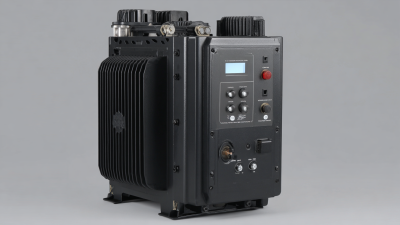
In the ever-evolving world of industrial automation, the introduction of OEM factory RS485 soft starters for three-phase AC motors represents a significant innovation. These devices, designed for workloads up to 800KW, enhance operational efficiency and protect valuable motor assets. By controlling the acceleration and deceleration phases of the motor operation, these soft starters minimize mechanical stress, reduce energy consumption, and prolong the lifespan of both the motor and connected machinery.
The functionality of these soft starters is particularly remarkable when paired with advanced AC/AC inverters like the SCKR1-6000 model. With an output capacity ranging from 25A to 1600A, the SCKR1-6000 not only provides seamless power conversion but also supports a triple output type, enabling better handling of complex load requirements. This synergy between soft starters and inverters leads to a more stable and reliable system, which ultimately results in improved productivity and reduced downtime in industrial applications.
Implementing OEM factory RS485 solutions into existing systems can provide substantial operational benefits. Enhanced communication capabilities and precise control over motor functions ensure that businesses can adapt quickly to changing production demands, optimize energy use, and maintain a competitive edge in their respective markets.
: You can create articles, blogs, videos, or podcasts. Each type has its own style and audience.
Read widely and often. Practice writing daily. Seek feedback from others to identify areas for growth.
Focus on clear messaging and engaging visuals. Pay attention to sound quality. Edit for clarity and flow.
A small, engaged audience can be valuable. Quality interactions matter more than sheer numbers.
Take time to reflect on the feedback. Not all criticism is personal. Use it to improve your work.
Take a break and seek inspiration. Explore new topics or ask your audience what they want to see.
The article "Understanding Three Phase Motor Soft Start Benefits and Applications" provides a comprehensive overview of three phase motors, highlighting their significance in various industrial applications. It explains the principles of soft start technology, which gradually ramps up motor speed to minimize mechanical stress and electrical surge during startup. The implementation of Three Phase Motor Soft Start systems offers numerous benefits, including reduced wear and tear, energy savings, and enhanced operational efficiency.
Furthermore, the article discusses common industrial applications where soft start systems are advantageous and provides a comparative analysis between soft start and direct on-line starting methods. Key components of soft start systems are outlined, emphasizing their role in facilitating smoother startups. Finally, the article touches on future trends in soft start technology, indicating a shift towards more advanced and intelligent systems in the realm of three phase motors.