0%

You know, the demand for VFD frequency drives is really taking off lately. These things are pretty much essential when you want to control motor speeds and boost energy efficiency. Looking ahead to 2026, we can expect some pretty exciting advancements in this space. People all over the world are on the hunt for reliable and effective options, and companies like Siemens, ABB, and Schneider Electric are definitely leading the charge.

When you're trying to pick out a VFD frequency drive, there are quite a few things to keep in mind. Things like how efficient it is, whether it plays nice with your existing setup, and, of course, the price. Sure, lots of manufacturers claim to have the latest and greatest, but not all products actually live up to those promises. Some might fold under long-term use, or just not be as durable as you'd hope. And hey, customer support really matters — a good support team can make all the difference if something goes wrong.

As we look at the top 10 VFD frequency drives for 2026, it’s actually a good idea to think back on past decisions. Sometimes folks get caught up only looking at features and forget to check out things like service quality or the company's reputation. That’s how you end up making a choice you might regret. Every VFD has its own strengths and weaknesses, so really taking the time to understand these details will help you make smarter, more informed decisions.

Top 10 VFD Frequency Drives for Global Buyers in 2026?

Overview of VFD Frequency Drives and Their Importance in Industry

Top 10 VFD Frequency Drives for Global Buyers in 2026?

Variable Frequency Drives (VFDs) play a crucial role in industrial applications. They control motor speed and torque, ensuring efficient operation. By adjusting frequency and voltage, VFDs enhance energy savings. This reduction in energy consumption is vital for cost management.

The importance of VFDs extends beyond efficiency. They help in reducing mechanical stress on equipment. This prolongs the lifespan of motors and reduces maintenance needs. However, not all users fully utilize their potential. Some operations overlook the settings and features available. A meticulous approach to implementation is necessary.

Moreover, with advancements in technology, VFDs are becoming more sophisticated. They can be integrated with IoT devices for real-time monitoring. Yet, many industries lag in adopting these innovations. This reliance on outdated systems may hinder overall productivity. A reevaluation of current practices could yield significant benefits.

Top Features to Consider When Choosing a VFD Frequency Drive

When selecting a VFD frequency drive, several key features should be prioritized. One important aspect is the drive’s control method. Look for drives offering vector control and scalar control options. These control methods affect performance in different applications. A reliable drive will provide excellent speed regulation and torque control.

Another vital factor is the drive’s compatibility with various motor types. Ensure your selected drive can work seamlessly with the type of motor you intend to use. This compatibility influences efficiency and overall system performance. Moreover, check the drive's output frequency range. Wider frequency ranges allow more flexibility in control, accommodating diverse applications.

User interface plays a crucial role too. A clear, intuitive display can enhance user experience. Engaging with complicated interfaces can lead to frustration. Remember, the availability of remote monitoring features can also elevate operational efficiency. While considering these features, reflect on how they align with your specific needs. Sometimes, a feature-rich drive may come with complexities that complicate regular operations. Each choice comes with benefits and drawbacks that require careful evaluation.

Market Trends Influencing VFD Frequency Drive Selection in 2026

In planning for 2026, understanding the market trends influencing the selection of VFD frequency drives is crucial. Reports estimate that the global VFD market will grow at a CAGR of 7% from 2021 to 2026. Increasing demand for energy efficiency drives this growth. Industries, such as manufacturing and HVAC, are investing in VFDs to manage energy consumption. This transition reflects a broader commitment to sustainability and cost reduction.

Furthermore, advancements in technology play a vital role. Integration of IoT capabilities in VFDs enhances monitoring and control. Businesses prioritize adaptive systems that can improve operational efficiency. Data indicates that VFDs equipped with smart features can enhance performance by 20%. However, not all companies are equipped to analyze this data effectively. There is a learning curve that can impede immediate implementation, requiring ongoing training and support.

Industry reports indicate that the demand for smart VFDs will significantly increase. Companies that overlook these trends risk falling behind. Balancing efficiency and adaptability poses a challenge for many organizations. They must assess their specific needs. Investing wisely today means staying relevant in the competitive landscape of 2026.

Comparison of Leading VFD Brands and Their Product Offerings

When evaluating the leading variable frequency drives (VFDs) set to dominate the market in 2026, understanding their offerings is crucial. A recent industry report indicates that the global VFD market is projected to reach approximately $25 billion by 2026, growing at a CAGR of 6.5%. This surge emphasizes the rising demand for energy-efficient solutions in industrial applications.

Key factors to compare among VFD brands include energy efficiency, ease of integration, and operational reliability. For instance, energy-efficient drives can reduce energy consumption by up to 30%, greatly benefiting companies aiming to lower operational costs. However, integration complexities can arise. Some brands might offer advanced features, but their implementation could pose challenges. Users must weigh the potential benefits against these complexities when making purchasing decisions.

Another crucial aspect is the level of technical support and service. A report highlighted that 40% of users experienced issues due to inadequate support post-purchase. This statistic underscores the need for reliable service networks. Buyers should seek brands known for robust support systems. While many brands boast impressive features, not all offer equal support after a sale, which can lead to operational inefficiencies. This consideration could significantly impact overall satisfaction with VFD solutions.

Technological Advancements Shaping the Future of VFD Frequency Drives

The evolution of Variable Frequency Drives (VFDs) is remarkable. Technological advancements promise to reshape the landscape by 2026. Energy efficiency is at the forefront of these innovations. New algorithms enhance motor control, reducing energy consumption. This means lower operational costs for businesses seeking sustainability.

Moreover, IoT integration is becoming mainstream. VFDs equipped with IoT features can provide real-time data. Users gain insights into performance and energy usage. This connectivity unlocks predictive maintenance capabilities. However, incorporating this technology raises complexities. Training staff to utilize these tools remains a challenge.

Furthermore, advancements in materials are noteworthy. Lighter and more durable components contribute to longer lifespans. These improvements lead to reduced downtime and maintenance. Nonetheless, the high cost of these advanced materials can be a barrier for some organizations. Balancing innovation with budget constraints is crucial for global buyers in the coming years.

Application Areas for VFD Frequency Drives in Various Industries

Variable Frequency Drives (VFDs) are crucial in modern industrial applications. They control the speed and torque of electric motors. This control leads to enhanced efficiency and reduced energy costs. In the manufacturing sector, VFDs optimize production lines. They allow precise speed adjustments for different machinery.

In HVAC systems, VFDs regulate fan and pump speeds. This ensures that energy consumption aligns with demand. In water treatment facilities, they manage flow rates. This adaptability is essential in varying operational conditions.

However, integrating VFDs requires careful planning. There can be challenges in system compatibility and user training. The mining industry benefits from VFDs in equipment management. These drives help reduce mechanical stress on parts. Still, maintenance issues can arise.

Users need to monitor performance regularly. With proper implementation, VFDs can significantly enhance productivity. They are transforming how industries operate.

Best Practices for Maintaining and Optimizing VFD Frequency Drives

Maintaining and optimizing VFD frequency drives is critical for operational efficiency in industrial settings. A recent industry report from Research and Markets stated that the global VFD market is expected to reach $22.6 billion by 2026, driven by increasing demand for energy efficiency. Regular maintenance can significantly enhance drive lifespan and minimize downtime. Simple practices include routine inspections and cleaning to remove dust.

Data from the International Electrotechnical Commission indicates that nearly 30% of VFD failures occur due to overheating. Ensuring proper ventilation and cooling systems can mitigate this risk. Additionally, leveraging software for real-time monitoring of performance metrics can help in identifying inefficiencies. As facilities evolve, integrating predictive maintenance strategies can also empower operators to address potential issues proactively.

Effective training programs for staff on VFD operation can reinforce safe and efficient usage. There's often a gap in knowledge about optimal settings and adjustments. Addressing these misunderstandings is essential for maximizing the potential of these drives. Through continuous education, organizations can enhance productivity and improve overall equipment effectiveness. Engaging with industry experts and leveraging audit findings are also valuable steps in optimizing VFD systems.

Top 10 VFD Frequency Drives for Global Buyers in 2026

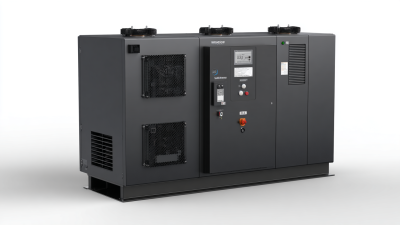
Efficient Motor Control Solutions: Exploring the Benefits of the General VFD 55kW 380V Inverter Frequency Converter

The General VFD 55kW 380V Inverter Frequency Converter stands out as an exceptional solution for efficient motor control, offering a wide array of benefits for various industrial applications. This inverter enables precise speed control, resulting in improved operational efficiency and reduced energy consumption. By adjusting the frequency and voltage supplied to the motor, users can optimize performance while minimizing wear and tear, ultimately extending the lifespan of the equipment.

One key advantage of using a high-quality inverter frequency converter is its adaptability across different types of motors. The technology allows for seamless integration within existing systems, ensuring that businesses can upgrade their motor control capabilities without extensive modifications. Additionally, with features such as robust thermal management and protection circuits, the General VFD maintains operational reliability even under challenging conditions. This reliability is crucial for minimizing downtime and maintaining continuous production schedules.

Investing in an inverter frequency converter not only enhances motor performance but also contributes to significant cost savings over time. Efficient motor control leads to lower energy bills, while reduced maintenance needs further enhance operational savings. The harmonization of these benefits positions the General VFD as a strategic choice for companies looking to leverage advanced motor control technologies for sustainable growth.

FAQS

: What is a Variable Frequency Drive (VFD)?

: A VFD controls the speed and torque of electric motors, enhancing efficiency and reducing energy costs.

How do VFDs contribute to energy savings?

They can reduce energy consumption by up to 30%, which helps lower operational expenses for businesses.

What challenges arise when integrating VFDs?

Integration can lead to complexities, such as system compatibility issues and the need for user training.

What role does IoT play in VFD technology?

IoT integration allows real-time data access for performance monitoring, aiding in predictive maintenance capabilities.

Why is technical support important post-purchase?

Adequate technical support is crucial, as many users experienced operational issues due to insufficient assistance after buying.

What are some application areas for VFDs?

VFDs are used in manufacturing, HVAC systems, water treatment, and mining to improve operational efficiency.

How can advancements in material affect VFDs?

Lighter and durable materials enhance the lifespan, but their high costs may challenge some organizations' budgets.

What should buyers prioritize when selecting a VFD brand?

Buyers should consider energy efficiency, reliability, and the availability of technical support from brands.

Are there any barriers to adopting new VFD technologies?

Balancing innovation costs with budget constraints is a critical challenge for many global buyers today.

How can users ensure successful VFD implementation?

Careful planning, regular performance monitoring, and proper training are essential for effective VFD usage.

Conclusion

The article "Top 10 VFD Frequency Drives for Global Buyers in 2026" provides a comprehensive overview of Variable Frequency Drives (VFDs) and highlights their critical role in industrial applications. It outlines key features to consider when selecting a VFD frequency drive, emphasizing factors such as efficiency, control capabilities, and adaptability to different environments.

Furthermore, the article discusses current market trends that shape the selection of VFD frequency drives, such as the growing emphasis on energy efficiency and sustainability. It delves into the technological advancements driving the evolution of these devices and explores various applications across industries. Best practices for maintaining and optimizing VFD frequency drives are also shared, ensuring that users can maximize their investment in this essential technology.

Clara

Clara

Clara is a dedicated marketing professional with a deep understanding of the industrial automation control sector. With 15 years of experience in a high-tech enterprise specializing in the research, development, production, and sales of automation control products, she combines her expertise with a......
Previous What is a 3 Phase Motor Soft Starter for 2026 Canton Fair?