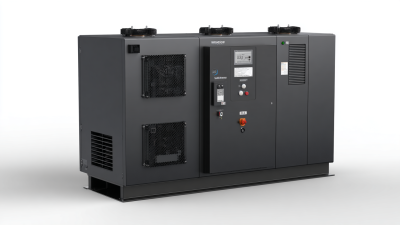
As industries keep evolving, there's definitely more buzz around finding efficient energy solutions. VFD frequency drives are really important when it comes to boosting how smoothly operations run. Big names like Siemens, Schneider Electric, and ABB are pretty much at the forefront, offering some pretty advanced tech these days. These drives are pretty much the go-to for controlling motor speeds and cutting down on energy use — no joke.
Looking ahead to 2026, it’s exciting to think about how much these drives are going to improve. We’re probably gonna see some cool new designs and features popping up. That said, it can get kinda tricky for buyers trying to navigate all the different options and specs out there. It’s super important to check how reliable each one is and whether it plays nicely with your existing setup.
And let’s be honest — while lots of manufacturers promise top performance, it’s worth doing your homework. Reading about real-world experiences can really give you a better idea of what these drives can actually do. Some users have mentioned that integrating new drives can be a bit of a hassle, so having good support can really make a difference. The future of VFD drives is looking bright, especially with all the ongoing improvements focused on reliability and innovation.
The market for variable frequency drives (VFDs) is evolving rapidly as industries strive for efficiency. In 2026, global buyers will prioritize energy savings and operational flexibility. VFDs enhance motor performance, optimizing energy use in applications like HVAC and manufacturing. With increasing energy costs, implementing VFD technology is not just smart; it’s essential.
Sustainability trends are shaping VFD development. Many manufacturers are focusing on eco-friendly materials and energy-efficient designs. Yet, challenges remain. Not all businesses understand VFD technology's true potential. This knowledge gap could hinder decision-making. Training and education are pivotal for successful adoption.
Technological advancements are crucial as well. Features such as IoT integration and advanced analytics will become standard. However, finding reliable suppliers amid diverse options is daunting for buyers. Conducting thorough research is vital. Companies must weigh performance against long-term value. As the market matures, buyers should remain adaptable and informed. Balancing innovation with practicality will lead to better outcomes.
Modern Variable Frequency Drives (VFDs) are crucial for optimizing motor performance. They enhance efficiency and control, making them essential in various industries. Today’s VFDs feature advanced control algorithms, enabling precise speed regulation. Energy-saving capabilities are becoming prominent. They allow users to minimize energy consumption during operation.
One notable technology is regenerative braking. This feature recycles excess energy back to the power supply. It enhances efficiency and reduces overall energy costs. Another key aspect is communication protocols. VFDs now support various networks, making integration easier. Users benefit from real-time data exchange and enhanced monitoring.
Tips: When choosing a VFD, consider compatibility with existing systems. Pay attention to ease of use features like intuitive interfaces. It's essential to evaluate your specific application needs and future upgrades. Delve into potential limitations of VFDs. Some may not perform well under extreme conditions. This reflection can guide better decision-making for future investments.
In the dynamic landscape of Variable Frequency Drives (VFDs), key manufacturers are shaping the industry. According to a recent market analysis, the global VFD market is projected to reach approximately $22 billion by 2026. This growth is driven by increasing energy efficiency demands and automation in manufacturing processes. Major players are enhancing product lines to include advanced digital features, boosting reliability and adaptability in operations.
Data suggests that around 60% of VFD sales are derived from industries such as oil and gas, water treatment, and mining. These sectors require durable drives capable of handling fluctuating loads. However, challenges remain. Many manufacturers struggle with integrating AI and IoT technologies, which could improve operational performance. As businesses invest in smart technology, adaptability in VFDs is crucial. Some companies continue to lag, unable to meet modern demands.
The competitive landscape is evolving. Smaller firms often innovate more rapidly, but lack extensive market reach. Meanwhile, larger entities risk stagnation, resulting in missed opportunities. Collaborative efforts and strategic partnerships may provide solutions. As 2026 approaches, the focus should be on leveraging technology while addressing these industry gaps.
The adoption of VFD frequency drives in 2026 will be significantly influenced by regulatory frameworks worldwide. Governments are increasingly focusing on energy efficiency and emissions reduction, which drives demand for advanced technology. Compliance with these regulations becomes a critical factor for manufacturers and end-users. This creates a market that may favor certain technologies over others.
Different regions have varying regulations. For instance, some countries mandate specific energy-saving targets for industrial operations. This often pushes companies to adopt VFDs to meet these requirements. However, navigating these regulatory landscapes can be daunting. Organizations might struggle to understand the implications of these rules. Misalignment with regulatory standards can lead to significant penalties and affect operational efficiency.
Moreover, while these regulations promote sustainability, they also introduce complexity. Industries must stay ahead of regulatory changes, which can be unpredictable. Training for staff and updating systems are continuous challenges. Firms may need to evaluate their equipment more frequently to ensure compliance. This creates pressure, which can sometimes hinder innovation. Balancing regulatory adherence with technological advancement remains an area for reflection in the industry.
Variable Frequency Drives (VFDs) are transforming energy consumption across industries. They offer precise control over motor speed and torque. By adjusting the frequency and voltage supplied to the motor, VFDs can optimize performance. This technology leads to significant energy savings, which is appealing for both large-scale operations and small businesses.
The financial benefits of VFDs often outweigh initial costs. Users can see reductions in energy bills of 30% or more. Beyond cost, these drives enhance equipment lifespan. Less wear and tear on motors results in lower maintenance costs over time. However, the effectiveness of a VFD relies on proper installation and configuration, which requires expertise.
Some manufacturers claim easy integration, but challenges remain. Each industrial setup is unique. Without a tailored approach, performance may feel suboptimal. Additionally, while VFDs are reliable, occasional issues with sensitivity can arise. Stakeholders should remain vigilant and responsive to potential glitches. It's essential to cultivate a culture of continuous monitoring and improvement.
As the global demand for energy-efficient solutions grows, VFD (Variable Frequency Drive) technology is on the brink of transformation. According to a recent market research report, the VFD market is projected to exceed USD 27 billion by 2026, highlighting a significant shift towards smart control systems. Innovations in microcontroller technology are anticipated to enhance VFD performance. These advancements will lead to precise motor speed control, further optimizing energy usage.
Emerging trends like IoT integration allow VFDs to connect seamlessly with other machinery. This connectivity could enable real-time monitoring of system performance. Data analytics will help predict failures and optimize maintenance schedules, driving down costs. However, not all companies are ready for this transition. There is a knowledge gap regarding digital transformation, which can limit implementation.
Safety features are also expected to evolve, with better fault detection mechanisms in place. This focus on safety is crucial as industries become more automated. Nevertheless, the complexity of new systems can pose challenges for existing workforce training. Ensuring that teams are equipped with the right skills is vital for full realization of these innovations. The future of VFD technology promises exciting developments, yet it requires careful navigation of challenges.
In 2026, the landscape of industries adopting Variable Frequency Drives (VFDs) is set to evolve significantly. Key sectors such as manufacturing, oil and gas, and HVAC are increasingly integrating VFD technology. The manufacturing sector, which represents approximately 30% of the global VFD market, seeks enhanced energy efficiency and better control of motor speeds. Reports indicate that energy consumption can be reduced by up to 50% with VFD implementation.
The oil and gas industry is embracing VFDs to manage processes like pumping and compression more effectively. Data shows that VFDs can lead to a reduction in operational costs by around 20%. Similarly, the HVAC sector leverages VFDs for optimized climate control, reducing energy use. Despite these benefits, some industries still face challenges in VFD adoption. Issues such as high initial costs and the need for specialized training can slow down integration efforts.
In contrast, sectors like water and wastewater treatment show a promising potential for VFD application. This sector accounts for a significant share of energy consumption globally. By adopting VFDs, facilities can improve pumping efficiency, and reports indicate a potential savings of nearly 15% on energy bills. This highlights the balancing act for industries: weighing the upfront costs against long-term savings and operational gains.
| Rank | Drive Type | Power Range (kW) | Voltage Level (V) | Key Industries | Estimated Market Share (%) |
|---|---|---|---|---|---|
| 1 | General Purpose VFD | 0.75 - 400 | 220 - 690 | Manufacturing, HVAC | 25% |
| 2 | Servo Drives | 0.5 - 30 | 200 - 480 | Industrial Automation | 18% |
| 3 | High Voltage VFD | 200 - 3000 | 1000 - 4000 | Oil & Gas, Mining | 15% |
| 4 | Multi-level VFD | 100 - 2000 | 400 - 690 | Water Treatment, Pulp & Paper | 10% |
| 5 | Variable Torque VFD | 1 - 300 | 200 - 600 | Fans, Pumps | 12% |
| 6 | IP55 Rated VFD | 0.5 - 150 | 220 - 480 | Food Processing | 8% |
| 7 | Compact VFD | 0.25 - 15 | 230 | HVAC, Small Motors | 5% |
| 8 | Rail Drive VFD | 250 - 1200 | 600 - 1500 | Rail Transport | 4% |
| 9 | Wind Energy VFD | 500 - 5000 | 600 - 1200 | Renewable Energy | 3% |
| 10 | Smart VFD | 1 - 200 | 230 - 480 | Building Automation | 2% |
The General VFD 55kW 380V 3Phase Inverter is an essential tool for enhancing motor control efficiency and performance across various industrial applications. With the rise of automation and the need for precise motor management, Variable Frequency Drives (VFDs) have become integral in improving energy savings and operational flexibility. According to a recent report by Global Industry Analysts, the demand for VFDs is projected to grow significantly, driven by increasing energy costs and a greater emphasis on energy-efficient solutions in manufacturing processes.
One standout feature of high-efficiency VFDs, such as the General VFD, is their ability to optimize motor speed and torque, enabling significant reductions in energy consumption. Studies show that companies using VFDs can achieve energy savings of up to 60% compared to traditional motor control methods. Furthermore, these inverters support a variety of applications, from conveyor systems to pumps, enhancing overall productivity while minimizing wear and tear on equipment. The 18-month warranty period signifies robust build quality and reliability, making it a trustworthy choice for businesses aiming to maintain uninterrupted operations.
The General VFD 55kW inverter also emphasizes user-friendly operations with features that allow for seamless integration into existing systems. Its adaptability to different motor types and operational environments positions it as a versatile solution for modern industries. The focus on improving motor performance not only leads to cost savings but also helps in lowering operational risks, enhancing the overall lifecycle of machinery. As industries continue to evolve, adopting advanced technologies like VFDs will be crucial in maintaining competitive advantage and ensuring sustainable practices.
: Modern VFDs enhance motor efficiency and control. They include advanced control algorithms for precise speed regulation.
Regenerative braking recycles excess energy back to the power supply. This feature reduces energy costs and improves efficiency.
Evaluate compatibility with existing systems. Look for user-friendly interfaces and consider your specific application needs.
Regulations worldwide emphasize energy efficiency, urging manufacturers and users to adopt VFDs to avoid penalties.
Organizations may struggle to understand regulations. Misalignment can lead to penalties and disrupt operational efficiency.
Innovations in microcontrollers will enhance performance. IoT integration will enable real-time system monitoring.
Many struggle with knowledge gaps about digital technology, limiting effective implementation.
Future VFDs will have improved fault detection mechanisms, crucial for automated industries.
New complexities of VFD systems require teams to develop new skills. Training will be essential for effective adaptation.
No, it creates pressure that can hinder innovation. Reflecting on this balance is important for industry growth.
The article "Top 10 VFD Frequency Drives for Global Buyers in 2026" provides a comprehensive overview of the market landscape and emerging trends surrounding VFD frequency drives. It highlights key features and innovative technologies driving modern developments in this sector. Additionally, the article examines leading manufacturers and their influence on the global market, as well as the regulatory factors shaping the adoption of VFD frequency drives across various industries.
With a focus on cost efficiency and energy savings, the article makes a compelling case for the increased utilization of VFD frequency drives in multiple applications. It also explores future innovations predicted to transform the technology, alongside a market segmentation analysis that identifies the industries most likely to adopt these drives by 2026. Overall, the content emphasizes the importance and growing relevance of VFD frequency drives in contemporary industrial practices.