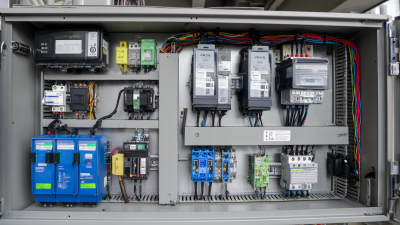
When it comes to industrial automation, VFDs, or Variable Frequency Drives, are a pretty big deal. Picking the right VFD supplier can actually make or break your whole operation. I remember John Smith from PowerTech Solutions once said, "The supplier you choose really shapes how successful your project will be." That really hits home, reminding us to take our time and choose wisely.
Now, selecting a VFD supplier isn’t just about the price tag. You gotta look at the details—do they support their customers well? Do they have a good range of products? Because quality definitely matters. A lot of companies get into trouble by going for cheaper options and then face issues down the line. The key isn’t just saving a few bucks upfront; it’s about finding someone reliable who delivers solid performance.
In the hustle and bustle of today’s competitive market, it’s easy to get distracted by prices alone. But if you focus only on the dollar signs, you might end up regretting it later. Once you’re committed, switching suppliers mid-project? That’s a nightmare. Doing a bit of homework early on can save you a lot of headaches—and money—in the end. Think about what’s really important for your operations and keep that in mind. Every single decision you make counts when you’re aiming for efficiency and top-notch results.
A Variable Frequency Drive (VFD) is a vital component in modern industrial applications. It controls the speed and torque of electric motors by varying the frequency and voltage supplied to the motor. This functionality allows for precise control of processes, resulting in energy savings and reduced wear on equipment. VFDs play a crucial role in optimizing energy consumption in applications such as pumps, fans, and conveyors.
When selecting a VFD, consider the specific requirements of your application. Analyze the motor type, load characteristics, and control needs. Understanding these factors can guide you to the right choice. For instance, a VFD designed for a variable load may not be suitable for constant-torque applications.
Tips: Always check the compatibility of the VFD with your existing systems. Installation can be tricky, so ensure your team has adequate training. Also, plan for ongoing maintenance; it often gets overlooked. Regular checks can prevent costly breakdowns and ensure optimal performance.
Choosing the right VFD suppliers is equally important. Look for suppliers with experience in your industry. Read reviews and ask for references. A supplier’s expertise can help you avoid the pitfalls of incorrect installation or selection. Remember, a wrong choice can lead to inefficiencies and increased costs.
Variable frequency drives (VFDs) are essential for improving energy efficiency in industrial settings. They can adjust motor speed to match the required load. This helps reduce unnecessary energy consumption. By optimizing motor operations, VFDs contribute to significant cost savings. While many industries benefit, there’s still a gap in understanding how to fully utilize this technology.
Implementing VFDs is not always straightforward. Installation requires careful planning. A poor setup may lead to inefficiency. Consider the specific application before selection. It's important to assess system requirements and potential energy savings. Choosing the right VFD suppliers is crucial. However, many businesses overlook this process.
In conclusion, the potential of VFDs can be limited by implementation challenges. Seeking knowledgeable suppliers who understand your needs is vital. Focus on energy audits and simulations to gauge effectiveness. Being open to learning from past mistakes can enhance overall efficiency. Energy savings are achievable but require thoughtful application and strategic choices.
When selecting a Variable Frequency Drive (VFD) for industrial applications, several key features demand careful consideration. One primary aspect is the control method. VFDs typically use scalar or vector controls. Scalar control is simpler, but vector control offers superior performance and efficiency in demanding applications. According to a recent industry report by MarketsandMarkets, the global VFD market is projected to grow by 12% over the next five years. This growth underscores the importance of choosing the right technology for enhanced performance.
Another critical feature is the communication protocols. VFDs must seamlessly integrate with existing systems. Most modern VFDs support protocols like Modbus and Ethernet/IP. These capabilities enhance operational efficiency and monitoring. Moreover, ensure that the VFD you select includes built-in protection features. Overcurrent, overheating, and short circuit protections can save significant costs in repairs and downtime.
**Tip:** Always evaluate energy efficiency ratings. Better-rated VFDs can reduce energy consumption by up to 50%, leading to substantial savings.
The robustness of the VFD is also vital. In harsh industrial settings, look for products designed to withstand extreme temperatures, dust, and moisture. Yet, many companies overlook these specifications, potentially leading to premature failures.
**Tip:** Don't shy away from reviewing customer feedback. Real-world experiences can provide insights into a supplier's reliability and support services.
This bar chart compares key performance characteristics of various Variable Frequency Drives (VFDs) used in industrial applications. It showcases their efficiency, maximum output torque, input voltage range, and operating temperature range. Understanding these features helps in selecting the right VFD suppliers for specific industrial needs.
Variable frequency drives (VFDs) are becoming essential in various industries. Their ability to control motor speed efficiently leads to significant energy savings. According to a report by the International Energy Agency, implementing VFD technology can reduce energy consumption by up to 50% in some applications. This statistic is crucial for industries looking to optimize performance.
Manufacturing and HVAC are two sectors heavily utilizing VFD technology. For instance, in manufacturing, pumps and fans can operate at lower speeds, reducing wear and tear. The HVAC industry benefits similarly; systems can adjust to varied loads, leading to energy savings of about 40%. Statistically, the global VFD market is projected to grow by 6% annually over the next five years, signalling a shift in operational strategies.
Certain challenges persist. Selecting the right VFD supplier is complex. The fluctuation of quality across different suppliers can affect performance. Many industries struggle with maintenance and compatibility issues. Choosing a reputable supplier is not always straightforward. It requires research and experience to ensure longevity and reliability. This highlights the need for a careful selection process.
| Industry | Percentage Utilization (%) | Main Applications | Key Benefits |
|---|---|---|---|
| Manufacturing | 35% | Conveyor Systems, Pumps | Energy Savings, Improved Control |
| HVAC | 25% | Heating, Ventilation, Cooling | Energy Efficiency, Noise Reduction |
| Water Treatment | 15% | Pumping, Filtration Systems | Consistent Flow Control, Reduced Wear |
| Mining | 12% | conveyors, Crushers | Enhanced Performance, Reduced Downtime |
| Food Processing | 8% | Mixers, Packaging Machines | Improved Consistency, Energy Efficiency |
| Renewable Energy | 5% | Wind Turbines, Solar Inverters | Sustainable Operation, Load Management |
Choosing the right Variable Frequency Drive (VFD) supplier can be challenging. Various factors demand attention. A key criterion is the supplier's industry experience. Companies with years in the market often understand customer needs better. This experience leads to reliable service and support.
Next, consider product quality. Look for suppliers who provide detailed specifications and testing reports. High-quality VFDs often enhance efficiency and reduce downtime. It’s essential to verify claims through user reviews or case studies. Sometimes, suppliers may boast about their products without substantial evidence. Thorough research helps avoid potential setbacks.
Additionally, customer support is critical. A supplier should offer accessible technical assistance. Evaluate their responsiveness to inquiries. A slow reaction can indicate future support issues. Furthermore, beware of suppliers who focus solely on price. Quality often comes at a cost. Balance budget constraints with the need for reliability to make a more informed choice.
When evaluating VFD manufacturers, focus on performance metrics that truly matter. Efficiency is key. A good VFD should convert energy with minimal loss. Look for manufacturers that provide clear specifications for energy efficiency ratios. This information can help you gauge how well each unit performs under different loads.
Another vital metric is the reliability of the VFD. It’s essential to consider the mean time between failures (MTBF). This number reflects how often a unit might fail during operation. High MTBF values generally indicate better quality. Moreover, not all suppliers may offer robust support during installation and maintenance. Researching customer reviews can reveal much about their service quality.
Compatibility with existing systems is also crucial. Not every VFD integrates smoothly with all machinery. Ensure the models you consider have flexible options for connectivity. Take note that performance can vary widely. A unit that excels in one environment might struggle in another. Always use real-world case studies to assess how different VFDs perform before making a decision.
Emerging trends in Variable Frequency Drive (VFD) technology are reshaping the industry. The global VFD market is projected to reach $22 billion by 2027, growing at a CAGR of over 7% from 2020. This reflects an increasing demand for energy efficiency. Recent innovations in VFDs focus on smart technologies, integrating IoT capabilities. These advancements allow for real-time monitoring and predictive maintenance. Data from industry reports indicates that over 40% of companies now prioritize smart VFD systems.
Another trend is the shift towards eco-friendly designs. Manufacturers are adopting sustainable materials and energy-saving features. A report states that VFDs can reduce energy consumption by up to 50% in certain applications. However, many suppliers still struggle with balancing performance and sustainability. This ongoing challenge calls for a closer look at supplier processes and transparency. A focused approach towards innovation can help suppliers meet this demand.
VFD supplier innovation must also address customization needs. Many end-users require tailored solutions for specific applications. Reports reveal that only 30% of suppliers can offer flexible designs that adapt to varying requirements. This gap could hinder progress. Companies must reflect on their ability to innovate while meeting customer expectations. Embracing these trends is crucial for suppliers to stay competitive in a rapidly evolving market.
: A VFD controls the speed and torque of electric motors by varying frequency and voltage.
They optimize energy consumption and reduce wear on equipment, enhancing efficiency in industrial applications.
Consider motor type, load characteristics, and control needs for your specific application.
Ensure compatibility with existing systems and provide adequate training for the installation team.
Supplier experience often leads to better service and understanding of customer needs.
Verify product claims with specifications and testing reports, plus read user reviews.
Accessible technical assistance is essential; slow responses can indicate future support issues.
Focus on energy efficiency, reliability, and compatibility with existing systems for a clear evaluation.
Yes, a unit that performs well in one environment may face challenges in another.
Regular maintenance prevents costly breakdowns and ensures the VFD operates optimally.
A Variable Frequency Drive (VFD) is an essential component in modern industrial applications, designed to control the speed and torque of electric motors. By adjusting the frequency and voltage supplied to the motor, VFDs enhance energy efficiency and significantly contribute to cost reductions in operational processes. Key features to consider when selecting a VFD include compatibility with existing systems, ease of integration, and advanced control capabilities, which are crucial for optimizing performance in various industrial sectors.
When choosing reliable VFD suppliers, businesses should evaluate their reputation, the range of products offered, technical support, and the latest innovations in VFD technology. Emerging trends indicate a growing emphasis on smart VFD systems that leverage IoT for enhanced monitoring and control. A comparative analysis of top VFD manufacturers can provide insights into performance metrics, helping companies make informed decisions that align with their operational goals.