

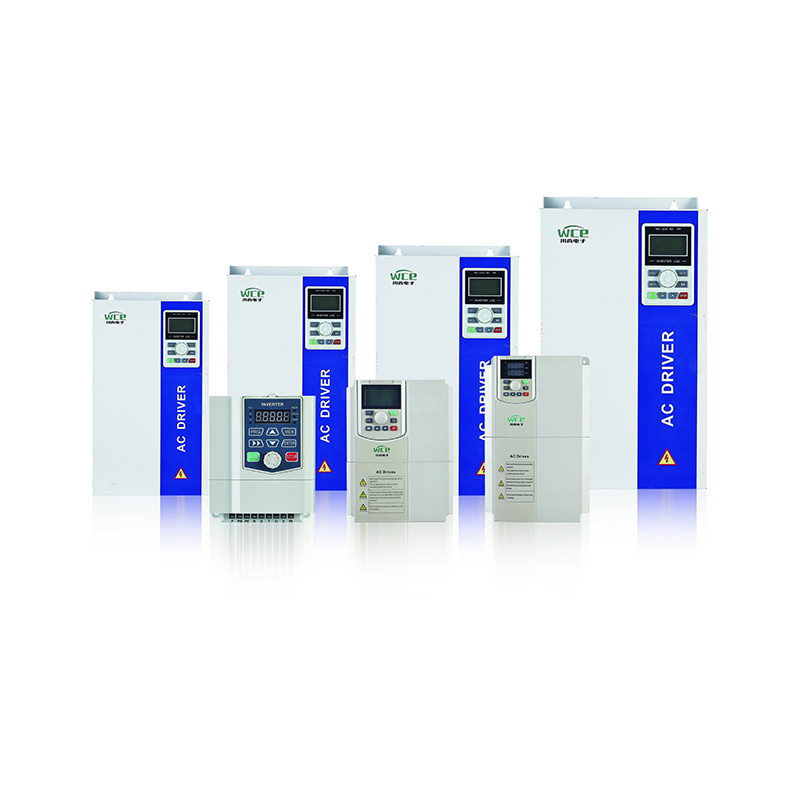
Looking to boost efficiency, reliability, and cost savings in your operations? A widely adopted solution is the VFD frequency converter, commonly known as a Variable Frequency Drive. This device works by adjusting the power supplied to an AC motor, enabling precise control over its speed. Rather than operating at a fixed, maximum rate, a Vfd Frequency Converter lets you match motor speed exactly to your process requirements. This move from constant to variable speed is fundamental to achieving major advantages, including reduced energy costs and extended equipment life.
Why Consider a VFD? The Direct Benefits
The most immediate advantage is energy savings. In applications like pumps, fans, and compressors, the power required is closely tied to the motor’s speed. Reducing the speed even a little can lower energy use dramatically. For instance, running a fan at 80% of its full speed might use only about half the power. This directly cuts your electricity costs.
Beyond savings, a Vfd Frequency Converter offers superior control and protection. It enables precise adjustment of process variables like flow, pressure, or conveyor speed, leading to more consistent output and product quality. Importantly, it also protects your motor investment. By providing a “soft start,” it eliminates the harsh electrical surge and mechanical jolt of a standard startup, reducing wear and tear on the motor, shafts, and couplings.
Where Do VFDs Work Best? Key Applications
These drives are versatile, but they deliver the highest return in systems where the motor load varies. Common and ideal applications include:
◆HVAC Systems: For modulating fans in air handlers and pumps in heating/cooling circuits to match real-time building demand.
◆Water & Wastewater Pumps: Controlling pump speed in treatment plants and distribution networks to maintain optimal pressure and flow.
◆Industrial Machinery: Running conveyors, mixers, machine tool spindles, and exhaust fans at variable speeds for different production stages.
◆Material Handling: Providing smooth acceleration and speed control for cranes, hoists, and escalators.
Implementing a VFD Successfully
To get the promised results, proper selection is key. The drive must be correctly sized for your specific motor and application. Consulting with a specialist to analyze your motor’s load profile can ensure you choose the right VFD frequency converter and accurately project your energy savings and payback period. While there is an upfront cost, the combination of ongoing energy savings, reduced maintenance, and improved process control typically makes it a sound long-term investment.
A VFD is far more than a speed dial for a motor. It is an essential tool for modern, efficient operations. By ensuring your motors use only the energy they need, it reduces waste, lowers costs, and enhances control, making it a smart upgrade for any operation focused on performance and savings.
Post time: Feb-05-2026