

Understanding How a Soft Starter Works
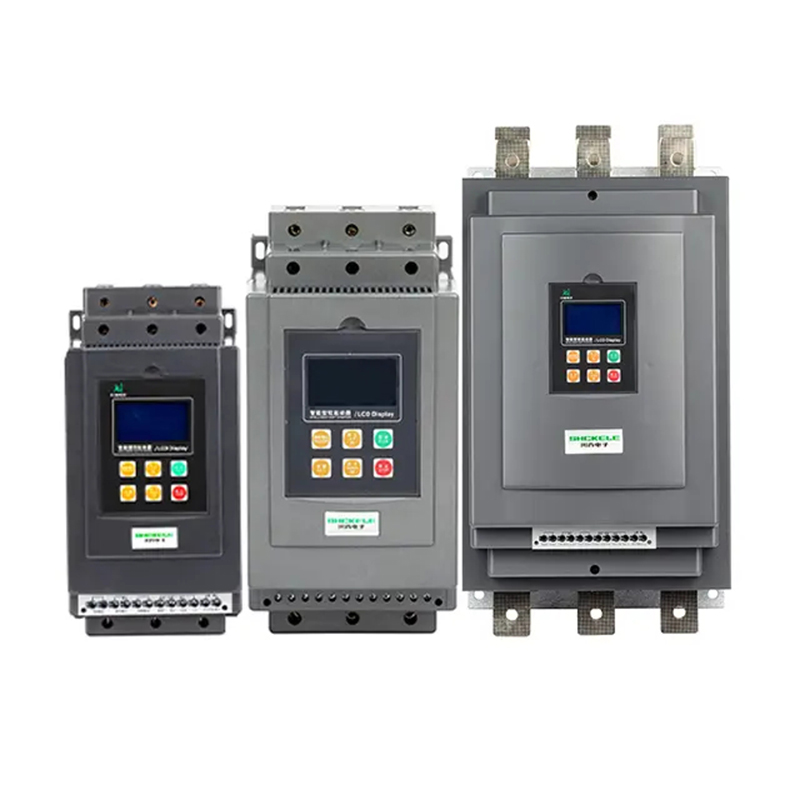
To understand if a soft starter can damage a motor, it helps to know how it works. A soft starter gradually increases voltage to the motor, allowing it to ramp up smoothly. This limits high inrush currents and reduces wear on internal components.
Soft starters are commonly used with pumps, compressors, conveyors, and fans, where gentle starts protect both the motor and connected equipment. Compared to direct-on-line starters, they improve efficiency and extend equipment life. Proper selection and setup are still important to avoid potential damage.
Do Soft Starters Damage Motors?
In general, when used correctly and within their design parameters, soft starters do not damage motors. On the contrary, they help extend motor lifespan by reducing mechanical stress and electrical surges during startup. However, improper installation, incorrect settings, or misuse of a soft starter can lead to potential issues. For example:
- Improper Sizing: Using a soft starter that is undersized or oversized for the motor can negatively affect performance and reliability.
- Incorrect Settings: Faulty configuration of voltage ramp-up times or current limits may result in overheating or insufficient torque generation.
- Lack of Maintenance: Over time, soft starter components can degrade. Failing to inspect and maintain them may lead to operational inefficiencies or even motor damage.
What Are the Problems Associated with Soft Starters?
While soft starters offer several advantages, they also have some limitations that users should be aware of:
- Limited Speed Control: Unlike variable frequency drives (VFDs), soft starters cannot provide full speed control. They are designed only for smooth startups and shutdowns.
- Heat Generation: During operation, soft starters may generate heat due to their semiconductor components, especially if not properly ventilated.
- Reduced Torque at Low Voltage: When starting, the lower voltage provided by the soft starter might result in reduced torque, which may not be ideal for high-torque applications.
What Are the Disadvantages of Motor Soft Starting?
Although motor soft starting has numerous benefits, there are a few disadvantages to consider:
- Soft starters are not suitable for applications requiring continuous speed control across different operational ranges.
- The initial cost of a soft starter may be higher than traditional starters, although this is often offset by long-term benefits like reduced wear and energy savings.
- In some scenarios, soft starters can cause voltage drops that affect nearby sensitive equipment, especially in weak electrical systems.
What Is the Lifespan of a Soft Starter?
The lifespan of a soft starter depends on various factors, including quality, application, and maintenance practices. High-quality soft starters from reliable suppliers can last upwards of 10-15 years with proper care. Regular inspections, cleaning, and timely replacement of worn-out components can further extend their service life.
If you’re in the market for a durable and reliable soft starter, opting for trusted soft starter suppliers with proven track records can help you avoid subpar products and ensure optimal performance.
Preventing Motor Damage: Best Practices
To avoid motor damage when using a soft starter, consider the following best practices:
- Always size the soft starter appropriately for the motor’s specifications.
- Work with skilled technicians to ensure proper installation and configuration of the soft starter.
- Regularly inspect the soft starter for wear, corrosion, or faults, and perform necessary maintenance or repairs.
- Choose a soft starter with built-in protection features, such as motor overload, phase loss, and short-circuit protection.
FAQs About Soft Starters and Motor Safety
Do soft starters damage motors?
No, soft starters generally do not damage motors when used appropriately. They are designed to protect motors by reducing stress during startup and extending their lifespan.
What is the problem with soft starters?
Potential issues with soft starters include improper sizing, incorrect settings, and insufficient maintenance. While soft starters are effective for smooth startups, they do not provide comprehensive speed control like a VFD would.
What are some disadvantages to motor soft starting?
Disadvantages include limited speed control capabilities, potential heat generation, and high initial costs. Additionally, they may not provide sufficient torque for high-demand applications during startup.
What is the lifespan of a soft starter?
With proper maintenance, a high-quality soft starter can last for 10-15 years or more. Choosing a reliable soft starter supplier is key to ensuring a long-lasting product.
Conclusion
A soft starter is unlikely to damage a motor if correctly installed, adequately sized, and well-maintained. It is designed to improve motor performance and longevity by minimizing stress during startup. Users should be mindful of proper usage, potential drawbacks, and required maintenance to avoid any issues. By following best practices and sourcing equipment from reputable soft starter suppliers, you can ensure the smooth and reliable operation of your motor systems.
Post time: Mar-24-2026