

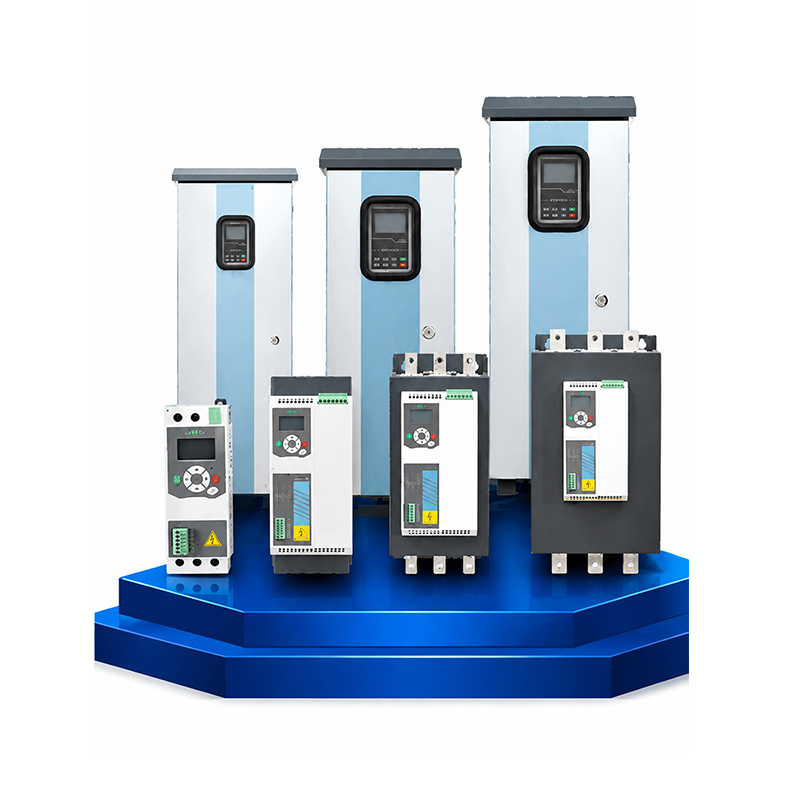
Soft starter Devices are essential in industrial operations because they help electric motors to start in a smooth manner. This reduces the pressure on mechanical components and prevents electricity overloads during the start-up of the motor. The right soft motor starter plays an integral role in operating machinery as well as HVAC systems effectively. However, despite their benefits, soft starters sometimes suffer from various problems just like any other electronic device. Being aware of common soft starter faults can help you to solve most issues quickly and conveniently.
Understanding Soft Starter Basics
A soft starter regulates the power provided to a motor at the beginning of the operation in an easy and controlled way, so the acceleration is gentle. In both three-phase and single-phase silent starters, this approach is adopted. The main benefits of a soft starter include lowering electrical stress while offering better protection for the machinery system. Although soft starters are known for their reliability, they might experience problems due to improper installation, extreme conditions, or defects of the inner components.
Soft Starter Won’t Start: Causes and Solutions
When your soft starter doesn’t initiate, several factors might be responsible:
Supply Voltage Problems: An improper or fluctuating power supply may render the starter unable to operate. Make sure voltage levels supplied to the starter are proper and that there are no loose or corroded connections.
Control Circuit Faults: Problems regarding the external control wiring or relay may lead to the soft starter being unable to obtain a start signal. Make sure that all control inputs are properly connected and functional.
Settings Mismatch: Improper configuration of parameters may cause the process to halt. Verify the ramp-up time, starting voltage, and motor compatibility. Check for error indications on the starter’s display and reset if necessary.
Overheating Problems in Soft Starters
Excessive heat can harm your soft starter, resulting in bad performance or reduced durability. The major causes are:
Ambient Temperature: Place soft starters in well-ventilated spaces, away from high heat and direct sunlight.
Overloading: Utilize a soft starter with an adequately rated current for the motor and its requirements. Excessively heavy loads are a burden on the electrical equipment, raising thermal risks.
Make sure to routinely clean the cooling vents and, if required, arrange for downtime during cooling intervals, particularly in instances of high cycling applications.
Frequent Tripping and Fault Codes
Soft starters are designed to protect themselves and the motors by tripping when specific faults have occurred. The usual cases of trips are:
Overcurrent or Short Circuits: May point towards downstream machinery issues or violations of a starting part component’s limits. Inspect motor and load for any jamming problems, and check wiring for any faults.
Phase Imbalance or Loss: The starter could become disconnected because of supply phases being unbalanced or absent. Ensure that irregularities in the incoming mains supply are checked.
In order to understand trip messages properly, always consult the fault code document of your respective device.
When to Repair or Replace a Soft Starter
The choice to repair or replace the AC soft starter should be considered based on two factors: the age of the machine and the costs of repair versus replacement, as well as the availability of parts. For minor electrical defects, repairs can be justified while machines with heavy complications, obsolete parts, or failures should necessarily be replaced by more advanced AC soft starters.
Installation and Maintenance Tips
Good installation and maintenance can prevent most soft starter issues:
Installation: Utilize the wiring diagrams specified by the manufacturers, ensure installation in dry and cool places, and provide room for heat dissipation.
Routine Checks: Regularly inspect connections, clean cooling pathways, and ensure firmware/software is up to date.
Paying adequate attention to these factors enables proper functioning of soft starters and helps prevent expensive downtime.
Frequently Asked Questions (FAQ)
Soft Starter Won’t Start
Make sure to check the supply voltage, wires, and parameters settings. Verify for any error codes that may be present on the device and refer to the user manual for troubleshooting step.
Why Is My Soft Starter Overheating?
The most probable reasons for this issue are insufficient circulation, overload of the motor, or blocked vent openings. Make sure to clean the vents and check whether the starter is loaded.
What Do Fault Codes Mean?
They point to certain motor problems or problems with the starter such as overheating, overcurrent, or phase issues. Please consult the starter manual for a full explanation.
Should I Repair or Replace?
Only repair minor faults in a newer unit, while old units or severely damaged units must be replaced so that one can ensure long-lasting reliability.
soft starter technology continues to advance as more sophisticated diagnostics and better protection functions are created. Maintaining awareness of your soft starters and their status as well as following good installation procedures will help to keep your motor control systems efficient and reliable.
Post time: Oct-10-2026