

When dealing with industrial machinery, HVAC systems and other processes that require satisfactory control over motors, one may encounter the terminology of a frequency converter or variable frequency drive (VFD). At first glance, these two terms appear similar in nature but both serve different purposes. As discussed further below, they have different features, functions and uses.
Frequency Converter
A frequency converter is designed to convert the frequency of the power that a motor receives from the electric supply system (source frequency) to match with what is used by that motor (motor frequency). This is essential when motors are driven in countries with differing electric supply frequency standards. For example, if equipment manufactured in Europe that operates on 50Hz electricity is used in North America where the standard frequency is 60Hz or vice versa. Using a rotary frequency converter will allow for conversion of either direction of electric supply frequency — 50Hz to 60Hz, or 60Hz to 50Hz.
Frequency converters are found in aeronautics, military applications, and industries that require the ability to synchronize different types of mechanical equipment operating on dissimilar electric supply frequency standards. They also serve to adjust incoming supply voltage to be compatible with connected equipment.
Variable Frequency Drive (VFD)
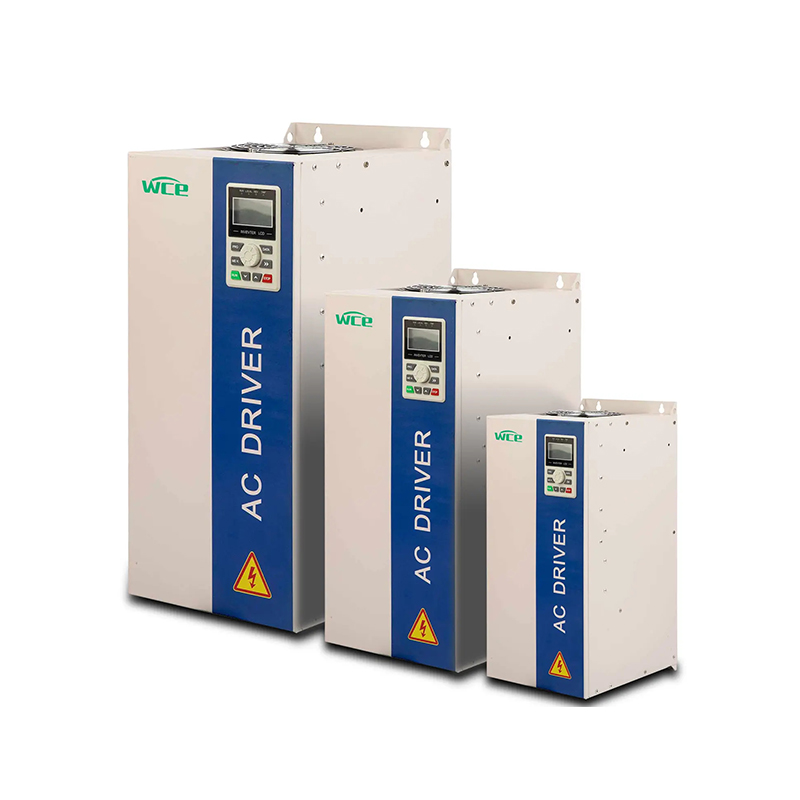
A variable frequency drive (VFD) is used primarily for controlling motor speed by varying both the frequency and voltage of AC power supplied to an AC motor. It can independently control the speed, direction, and torque of a motor by adjusting certain parameters of how electric supply is used.
Electric motors require an electric power source at a given frequency to operate correctly. Therefore, electric motors can operate properly only as long as the electric power source frequency matches the frequency of that electric motor. Electric motors require a continuous supply of electrical power at their rated frequency. VFDs not only allow smooth changes in motor speed and torque but also offer increased energy efficiency compared to conventional methods, making them a valuable asset in various industries such as manufacturing, HVAC systems, and automotive applications.
The terms frequency converter and VFD are often used interchangeably because both devices are frequency converters; however, each has distinct uses. Frequency converters are utilized for a wide range of applications, including international equipment compatibility, while VFDs are exclusively designed for motor speed control. Features and abilities vary based on specific customer requirements.
Frequently Asked Questions About Frequency Converters and VFDs
How does a Frequency Converter differ from a VFD?
Both frequency converters and VFDs change the frequency of electrical power. However, their differences lie in their primary purpose and application. Frequency converters focus on adapting the frequency (and often voltage) of electrical power to match the needs of equipment or systems, particularly across different regions. VFDs, on the other hand, are primarily designed to control the speed and torque of motors used in industrial settings.
Are there other terms for Frequency Converters?
Frequency converters are also commonly referred to as “frequency changers” or simply “converters.” Specific types, such as “rotary frequency converters” or “static frequency converters,” are often used when the application requires a more detailed description of the device type.
Can a VFD be used as a Frequency Converter?
Yes, a VFD can act as a frequency converter since it modifies both the frequency and voltage of electrical power. However, not all frequency converters are VFDs. While a VFD can perform frequency conversion, its primary function is motor speed control. Certain applications might require frequency conversion without motor operation, making VFDs unsuitable for those specific scenarios.
What Option Is Best For Your Application?
The choice between a frequency converter and a VFD depends entirely on your application requirements. If you need a solution to match power frequencies across regions (such as converting 50Hz to 60Hz), a high-quality frequency converter would be the optimal choice. Conversely, if precision motor control for energy savings or operational efficiency is your primary goal, a VFD frequency converter would be the better solution.
It is essential to thoroughly assess your equipment needs and operational objectives before making a decision. Consulting with a vendor or expert specializing in frequency conversion technology can further assist you in identifying the best solution.
In Summary
In conclusion, while frequency converters and VFDs have overlapping functionalities, they are not the same. Each device serves specific purposes across various industries. To select the appropriate device, understanding the unique requirements of your operation is critical. Both frequency converters and VFDs play an essential role in modern industrial applications, helping ensure efficiency and seamless integration. Need help choosing the right device for your facilities? Contact our experts to discuss your specific requirements.
Post time: May-19-2026