

Wondering if a frequency inverter and VFD are different? They’re not. Both terms describe a device controlling AC motor speed and torque. “VFD” is common in North America, while “frequency inverter” dominates Europe and Asia. Same hardware, different label. Grasping what this technology does lets you make smarter equipment choices, reduce energy waste, and achieve precise operational control regardless of what you call it.
What Is a Frequency Inverter and How Does It Work?
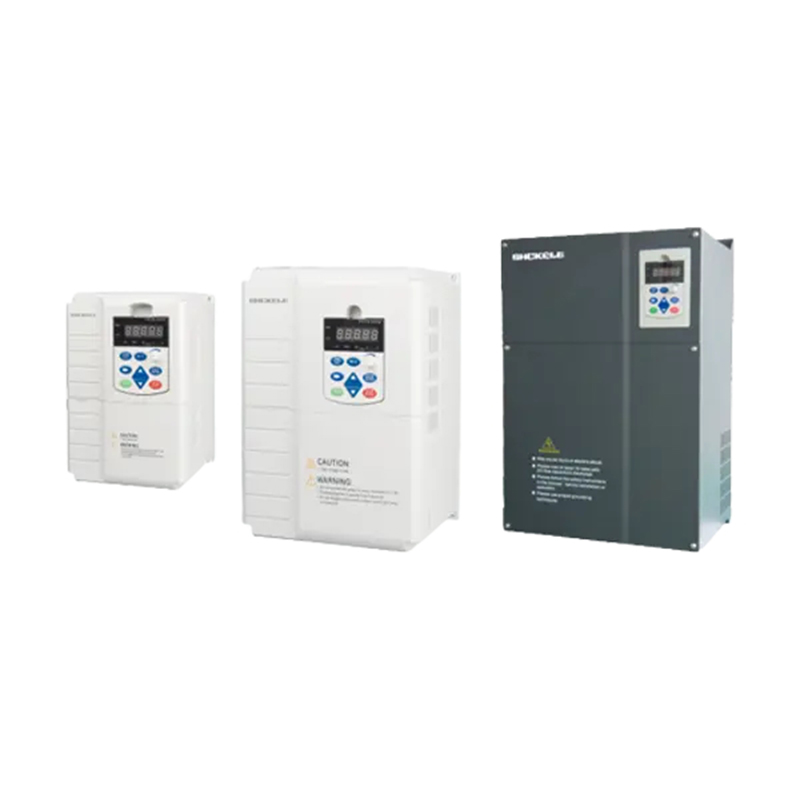
A frequency inverter is an electronic device that tweaks the speed of an electric motor by adjusting the frequency and voltage of the power it receives. Instead of letting a motor run at full speed nonstop, a frequency inverter lets it operate at exactly the speed your application needs. Here’s how it works: it takes the incoming AC power, converts it to DC, then turns it back into AC with the frequency and voltage you want. The payoff? You get precise control, waste less energy, and keep your motor running longer.
Key Advantages of Using a Frequency Inverter
Wondering why a frequency inverter might be right for your setup? Here are the most practical benefits you’ll actually notice:
- Energy Savings: Most motors run at partial load much of the time. By matching the motor’s speed to what you actually need, a frequency inverter can slash energy use sometimes by 50% or more, especially for systems like pumps, fans, and compressors.
- Soft Start and Stop: Instead of jolting the motor with a sudden burst of power, the inverter ramps up the speed gradually. This eases mechanical stress, reduces wear on belts and gears, and prevents those annoying current surges that trip electrical systems.
- Better Process Control: Whether you need to maintain specific flow rates, pressures, or speeds, a frequency inverter gives you fine-tuned control. That means more consistent products and smoother automation in manufacturing, HVAC, and water treatment jobs.
- Extended Equipment Life: By cutting down on electrical and mechanical stress, frequency inverters help motors, pumps, and other driven equipment last longer. That translates to lower maintenance costs and less downtime something every business can appreciate.
Where Are Frequency Inverters Typically Used?
These versatile devices show up in all kinds of industries. Here are some of the most common places you’ll find them:
- HVAC Systems: Controlling fan and pump speeds in commercial buildings to keep temperatures and airflow just right, without wasting energy.
- Water and Wastewater Treatment: Adjusting pump speeds to match demand, so you avoid overflow or low-pressure issues.
- Manufacturing and Conveyors: Regulating the speed of production lines, conveyor belts, and machining tools to keep throughput optimized.
- Renewable Energy Systems: Working with solar or wind setups to manage motor-driven components smoothly.
Choosing the Right Frequency Inverter for Your Needs
When picking out a frequency inverter, keep these things in mind:
- Motor Power Rating: Make sure the inverter’s capacity matches your motor’s horsepower or kilowatt rating no need to oversize or undersize.
- Application Requirements: Does your process need constant torque, variable torque, or precise positioning? Different inverters come with specific control features for different jobs.
- Environmental Conditions: Will the drive be installed in a dusty, humid, or hot area? Enclosure ratings (like IP20 or IP66) matter a lot for how long it lasts.
- Key Features to Look For: A user-friendly interface, built-in safety functions, diagnostic tools, and compatibility with your existing PLCs or control systems.
Conclusion
So, to circle back to the original question: is a frequency inverter the same as a VFD? Absolutely. The only difference is the name their function is identical. Investing in a frequency inverter that fits your needs can bring big operational benefits: lower electricity bills, more reliable processes, and less hassle. Before you buy, take a minute to check your motor specs, operational needs, and the environment where it will be installed. A well-chosen frequency inverter isn’t just another component it’s a long-term upgrade that makes your equipment more efficient.
If you’re still not sure which solution is right for you, talking to a specialist can give you tailored advice. They’ll help you find the perfect balance of performance, savings, and durability for your setup.
Post time: Apr-23-2026