

In the realm of electrical systems, you may find yourself in need of changing a parameter (such as frequency or voltage) to allow for proper functioning of machinery or devices. Two main technologies that help with these changes are Frequency Converters and transformers; even though they may sound similar, they serve very different purposes. This article will primarily discuss the Frequency Converter Technology, but will also point out how it is different than the transformer and help you determine which is right for your applications.
Defining a Frequency Converter
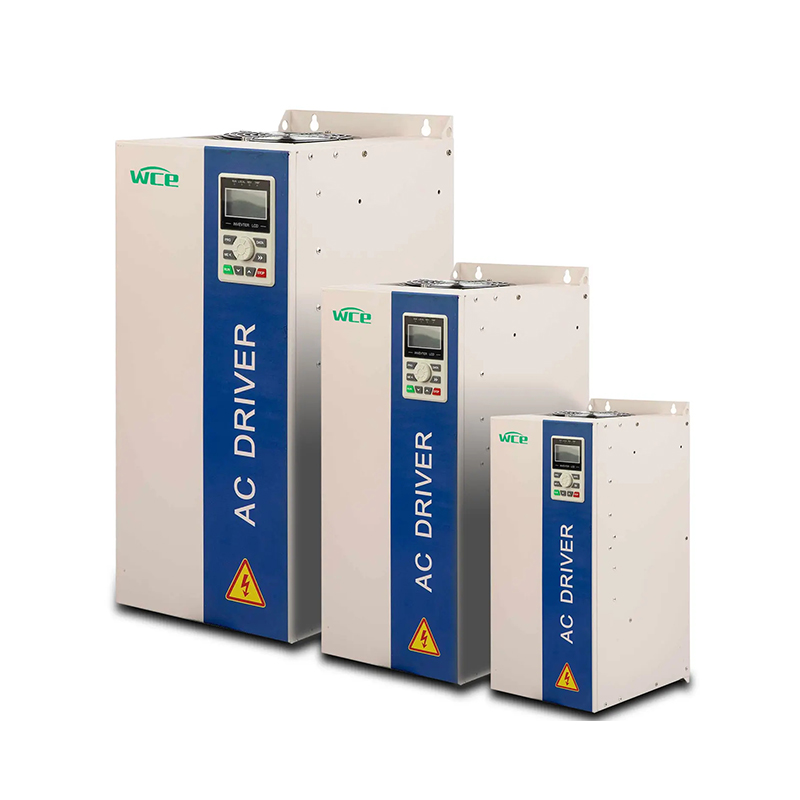
A Frequency Converter is an intelligent device that will convert the frequency of alternating current (AC) from one frequency to another. The ability to make frequency changes will allow different types of equipment to operate properly, even when the power supply frequency does not match the type of frequency required by the equipment. Many Frequency Converters also have the capability to convert voltage as well, which increases their versatility when used in a variety of different applications.
As an example, most industrial machinery that is imported from the United States operates on a 60 Hz, while much of the world (in both Europe and Asia) has 50 Hz power supply systems. Therefore when equipment is used in these regions, they must use a frequency converter to change the frequency from 50 Hz to 60 Hz. The frequency converter ensures that the equipment will be operating safely without damaging the equipment while allowing it to operate with its optimal performance. In addition to being able to operate safely and with an optimal performance, some more advanced frequency converters (such as the VFD frequency converter) allow for the precise control of the motor’s speed; this is why they are popular in such applications as manufacturing, HVAC, and material handling.
Understanding How a Frequency Converter Works
At its most basic, a frequency converter changes the incoming AC (Alternating Current) electrical signal by first changing the incoming AC electrical signal into Direct Current (DC) electricity via a rectifier, then the Rectified current is converted back into AC at the required frequency and voltage with an inverter. By converting to DC and converting back into AC electricity, frequency converters can provide electricity in any required frequency and voltage.
Where Are Frequency Converters Commonly Used?
Frequency converters are used for many applications all across the world, including the following:
- Providing power to imported electrical equipment that uses a different frequency.
- Improving efficiency and accuracy by adjusting the motor speed for various manufacturing processes.
- Synchronizing a renewable energy system to match the electrical frequency of the electric grid.
- Limiting the mechanical wear on a motor by running the motor at a speed that is optimized for that application.
- Testing of electrical/electronic equipment, by creating the ability to create different frequencies like an AC power source.
Transformers vs. Frequency Converters – What’s the Difference
This article is focused mainly on an explanation of the frequency converter; however, it would be beneficial to have a brief understanding of the working mechanism of a transformer so that you can see the differences between the frequency converter and the transformer. The transformer is an electrical device that transfers electrical energy from one circuit to another by utilizing the properties of electromagnetic induction. A transformer primarily serves as a means of converting alternating current (AC) voltage to either a higher or lower level according to the requirements of an incoming power supply. It allows for the safe and efficient transfer of power throughout the system while not affecting the input frequency.
The difference between a transformer and a frequency converter can be broken down into a very basic difference between them. Most people think that the two devices function the same way as one another; however; they are very different. The transformer provides no frequency conversion. The transformer does provide the ability to change the voltage of an AC signal; however; it will not allow for any type of frequency conversion. This is why frequency converters are preferable in many cases where it is necessary to convert both the voltage and frequency of an incoming signal.
Advantages of Using a Frequency Converter
1. Compatibility of Imported Equipment
If you have imported equipment that utilizes the 60Hz AC frequency, but your actual supply operates at 50Hz, using a frequency converter will allow you to operate with a seamless transition from 60Hz to 50Hz without the possibility of damaging or ruining the performance of the imported equipment.
2. Controlling Motor Speed
With VFD Frequency Converters, motor speeds can be adjusted to exactly what is needed for the particular application (e.g., conveyors, pumps and fans), making it possible to achieve optimum efficiency for applications where variable speed is necessary.
3. Energy Savings
Frequency Converters provide energy savings by optimizing the way in which a motor is operated; therefore, the overall amount of kilowatt hours required to run the equipment will be reduced. This will result in lower utility costs, and furthermore, will contribute to your sustainability goals by helping to lower the amount of wasted energy being generated.
4. Testing Equipment
Frequency converters can assist with simulating various frequency outputs when being utilized in laboratories and other facilities where various operational conditions must be replicated.
5. Extending Equipment Lifespan
By permitting your motors to run at their optimum speeds, frequency converters will significantly reduce wear and tear on the equipment, thereby extending the life of the equipment and reducing overall maintenance costs.
Frequently Asked Questions (FAQs)
Are frequency converters and transformers the same device?
No! A transformer modifies the alternating current (AC) voltage level of your power supply, and provides the ability to convert both the voltage and frequency of your power supply; however a transformer only modifies the AC voltage level. Therefore, a transformer does not perform the same functions as a frequency converter.
What are the benefits of using a frequency converter?
A frequency converter matches the frequency of your power source to that required by the equipment that will be using that particular power source. By doing so you can provide accurate motor speed control; you will have the ability to provide energy savings; and you will ensure reliable, steady performance from your equipment regardless of specific operating conditions.
Can we use a 60Hz transformer to power a 50Hz piece of equipment?
Theoretically, yes, but not recommended. A 60Hz transformer cannot operate a 50Hz machine. If you were to use a 60Hz transformer to power a 50Hz machine, you would most likely experience overheating or operate the equipment at 50Hz; therefore, you would not have the same level of efficiency. It would be preferable to use a frequency converter to resolve any issues related to interconnectivity and compatibility.
When should I choose a frequency converter?
If you require the adjustment of both the voltage and frequency of your incoming power supply; you will need to use a frequency converter. Examples of companies that may utilize frequency converters include those who utilize imported equipment, those seeking to optimize motor performance, or those wishing to operate within a specific electrical environment that wants or needs access to alternate power generation sources.
Conclusion
A frequency converter is a very important tool for electrical systems that require precise control over the frequency of the input power supply; to maintain compatibility of imported equipment across the globe; and to maximize the efficiency of an electrical system’s operation. Since a transformer can only change the voltage level of an electrical system, and does not perform the same functions as a frequency converter, knowledge of these two devices will help you to determine the best solution for your projects and business applications. If you are an industrial user and you use imported equipment to run your business, the need to use a frequency converter is critical to ensure that your electrical systems operate smoothly and reliably.
Post time: Mar-26-2026