

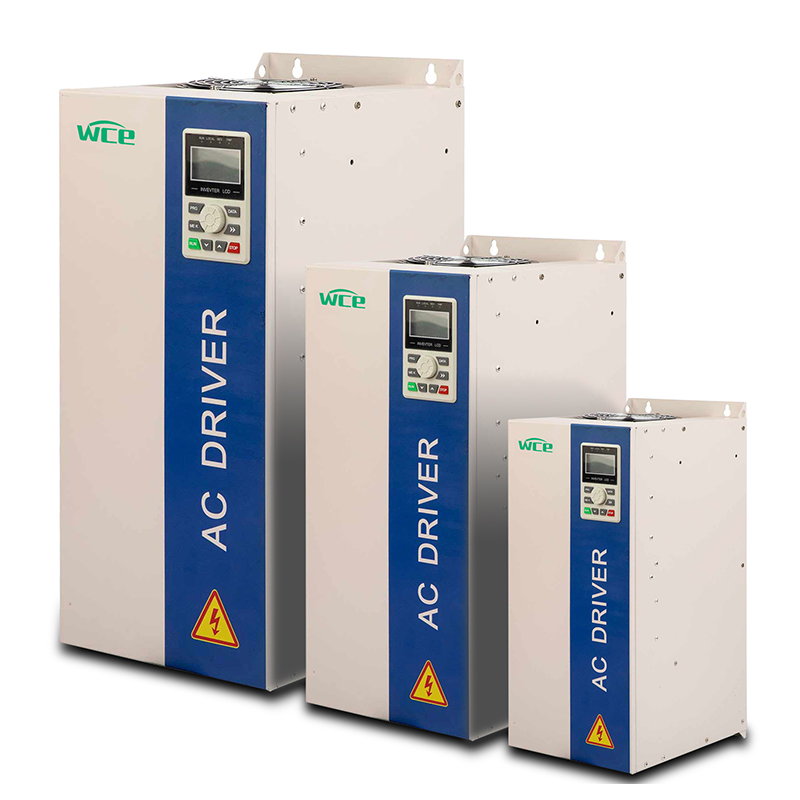
If you manage industrial or motor-driven systems, you’ve likely encountered the term “frequency converter inverter.” This device converts a fixed electrical supply (50/60 Hz grid power) into a variable output. This allows precise control of AC motor speed and torque, enabling smoother operation, better efficiency, and adaptation of equipment to different power standards. Understanding it is key to optimizing performance and process control.
Key Advantages of Using an Inverter Frequency Converter
The primary benefit of using an inverter frequency converter is significant energy savings. Motors running at fixed speeds often consume full power even when less is needed. By adjusting the motor speed to match the actual load demand, these devices can reduce energy consumption by up to 50% in applications like pumps, fans, and compressors. This translates directly into lower electricity bills and a reduced carbon footprint.
Beyond efficiency, they offer precise process control. Speed regulation ensures smoother operation, less mechanical stress on equipment, and improved product quality in manufacturing. A frequency converter inverter provides soft-start capabilities, gradually ramping up motor speed instead of subjecting it to a sudden power surge. This extends the lifespan of motors, belts, and gears, reducing maintenance costs and downtime.
Common Applications and Use Cases
Where are these devices typically used? Their versatility covers numerous sectors:
·Industrial Manufacturing: Controlling conveyor belt speeds, mixer RPMs, and spindle drives.
·HVAC Systems: Modulating fan and pump speeds in heating, ventilation, and air conditioning systems for optimal climate control.
·Water and Wastewater Management: Adjusting pump flow rates without needing mechanical valves.
·Running International Equipment: Allowing machinery designed for a 50Hz power supply to operate safely and efficiently on a 60Hz grid , and vice versa.
·Renewable Energy Systems: Integrating and managing power in applications like wind or solar setups.
What to Consider When Choosing a Frequency Converter Inverter
Selecting the right unit is crucial for performance and longevity. Key factors include:
1. Power Rating: Match the voltage and current rating of the inverter frequency converter to your motor’s specifications. Always consider the motor’s full-load amps.
2. Load Type: Identify whether your application involves constant torque or variable torque , as this affects the converter’s sizing and capabilities.
3. Environmental Conditions: Will the unit be installed in a clean control room or a harsh environment with dust, moisture, or temperature extremes? The enclosure rating is vital.
4. Required Features: Consider needed functionalities bypass options, custom control panels, communication protocols , or specific safety protections.
Conclusion
A frequency converter inverter is far more than a simple power adapter; it is a core component for modern industrial efficiency, motor protection, and process optimization. By delivering precise speed control, it solves practical problems from cutting energy costs and reducing equipment wear to enabling global equipment compatibility. For any buyer or operator aiming to enhance system performance and achieve long-term savings, investing in the right frequency converter is a strategic decision that pays dividends in reliability, control, and operational economy. When planning your next project or upgrade, assessing your needs against the robust capabilities of a modern inverter frequency converter is an essential step forward.
Post time: Jan-15-2026