

A frequency inverter, which is often called a Variable Frequency Drive (VFD), is an important component in today’s commercial and industrial operations. It enhances energy efficiency by allowing for torque control, precision in motor speed, and an increased lifespan of equipment. The purpose of a frequency inverter and the benefits it offers various industries will be answered in this article.
What is a Frequency Inverter?
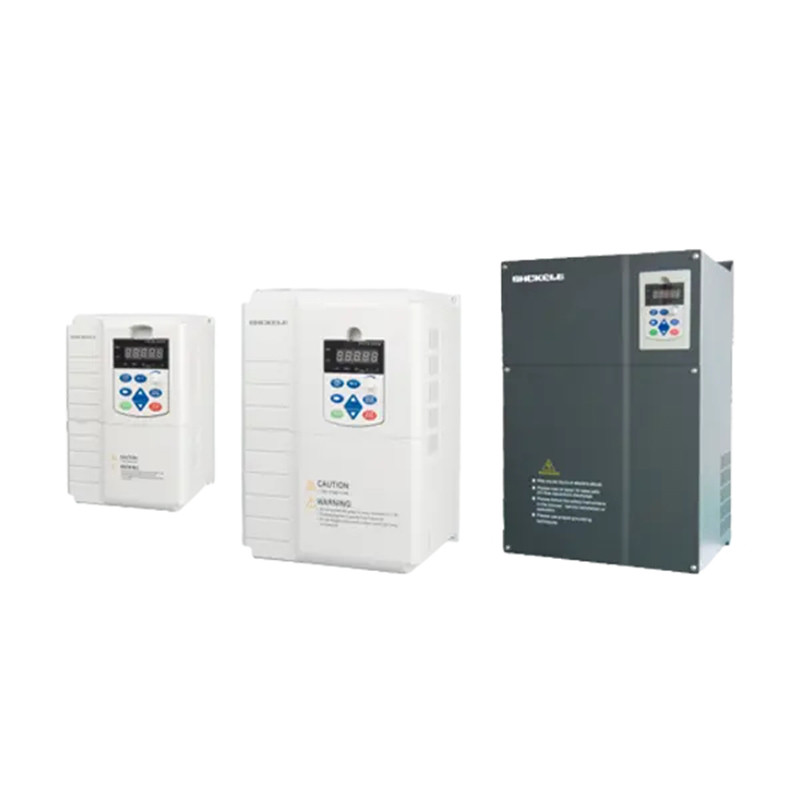
A Frequency Inverter or VFD is an electronic device that controls the rotational speed of an alternating current (AC) electric motor by adjusting the frequency and voltage supplied to the motor to get it to run at different speeds or torque levels that are consistent with the load requirement.
By controlling motor speed, significant benefits can be achieved in industries with energy-consumptive machines. Examples include manufacturing equipment, heating, ventilating, and air conditioning (HVAC) systems, water filtration, and conveyor systems.
The Primary Purpose of a Frequency Inverter
There are three primary purposes for a frequency inverter, and they regulate the speed and performance of electric motors. Here are the three ways they achieve this:
- Speed Adjustment: The frequency inverter provides a precision method for controlling the motor speed. Operators can use multiple speeds by adjusting the frequency of the supplied current according to their needs, thus maximizing efficiency while eliminating wasted power.
- Improved Efficiency: Electric induction motors consume a large amount of electricity globally; therefore, reducing ineffective electrical consumption is vital. By operating the motor at its ideal speed, frequency inverters can considerably reduce the cost of utility bills, especially when variable load demands exist.
- Soft Starting & Stopping: Traditional motor starters can create mechanical and electrical stress on a motor due to sudden changes in speed. Frequency inverters allow for smooth operation of the motor through soft starting and stopping operations. This smooth start/stop results in less wear on the motor, which extends the overall life of the motor and reduces maintenance costs.
- Reverse Operation: Frequency inverters provide the capability to reverse the direction of the motor without having to include additional mechanical components. Reversing can be accomplished with less complexity. This capability is especially valuable in applications such as industrial conveyors and robotics.
- Process Control: In complex applications (e.g., HVAC, water pumps, manufacturing), a frequency inverter allows for optimal speed execution throughout the entire process to create consistent performance while using less energy.
Examples of Frequency Inverter Use
Frequency inverters are commonly used in many different applications:
1. HVAC Systems: The speeds of the fans, pumps, and compressors of the system are controlled by the frequency inverter based on the desired airflow or pressure of the HVAC system.
2. Industrial Equipment: Manufacturing equipment, from conveyor belts to milling machines, can greatly enhance operating performance by utilizing the precise speed control of frequency inverters to make the processes more efficient and productive.
3. Renewable Energy Sources: Frequency converters enable the transition from renewable, fluctuating energy sources to constant energy output in solar and wind turbine generators.
4. Water & Wastewater Management: By controlling the speed of pumps to match pressure or demand for water, variable frequency drives (VFDs) help conserve both water and energy!
5. Elevators & Escalators: Variable frequency drives promote seamless operation (beginning, stopping, and changing speeds) of elevators and escalators, offering a higher level of comfort for passengers.
On What Else Can You Use a Variable Frequency Drive (VFD)?
In addition to controlling motor speed and torque, VFDs allow control of:
1. Acceleration and Deceleration: Control how fast a motor reaches maximum speed or completely stops. This is especially important with delicate materials or applications that require accurate motion.
2. Torque: VFDs provide motor torque control to support applications that require constant or varying torque.
3. Energy Usage: When a motor is programmed to run only as needed, there is less wasted energy, especially if the components experience variable loads.
What are the Benefits of a Variable Frequency Drive?
By controlling the speed, torque, and rotation direction of an AC electric motor, the primary benefits of a VFD are the regulation and optimization of electrical motor performance with respect to speed, torque, energy usage, and rotation direction. The VFD acts as a bridge between a static electrical power supply system and the dynamic requirements of an electric motor-driven application and enhances the ability to operate flexibly.
Frequently Asked Questions
What is the purpose of a VFD?
The purpose of a VFD is to control the speed, torque, and direction of an AC electric motor by changing the frequency and voltage of the electrical power supplied to the motor. It also increases the energy efficiency of the motor, prolongs the life of the motor, and contributes to smooth operation of the motor.
What can you control with a VFD?
With a VFD, the user can control motor speed, direction, torque, acceleration, deceleration, and energy usage. Thus, they can be used in applications such as HVAC systems, industrial machines, water pumps, and conveyor systems.
What does VFD mean?
Variable Frequency Drive (VFD) is another name for a frequency inverter. VFDs are used to control an electric motor by changing the frequency and voltage of the electric power supplied to it. This results in increased motor efficiency, reduced energy consumption, and smoother motor operation.
In Conclusion
A VFD is a key component in many industries. They allow for precise control of motor speed, torque, and energy efficiency. By better matching motor performance to the actual needs of a motor powered by a VFD, it reduces costs as well as environmental impact. The use of VFDs in HVAC systems and renewable energy systems can be very extensive, and the benefits significantly overwhelming. If you are interested in using or upgrading your process with a VFD, remember how this technology can change your way of life.
Post time: Apr-07-2026