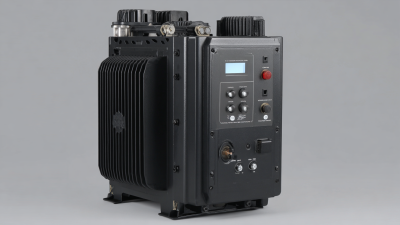
When it comes to controlling motors, Softstarters really have been gaining popularity lately. John Smith over at SoftStart Solutions puts it nicely: “Softstarters improve how we control and make things more efficient.” I mean, their benefits are pretty impressive and quite diverse too.
Basically, Softstarters help motors get going smoothly, which means less wear and tear on the equipment. They also do a good job of preventing those annoying voltage spikes that can sometimes cause expensive repairs down the line. As companies look for smarter ways to save energy, Softstarters are becoming a go-to solution. Plus, with these little devices, downtime is cut down, so productivity tends to climb.
Of course, it’s not all sunshine and rainbows. Businesses need to remember that not every situation will actually benefit from a Softstarter. Sometimes, the upfront cost just isn’t worth it, especially if the return isn’t immediate. It really comes down to figuring out what your specific needs are. All in all, getting a good grasp on both the perks and the limitations of Softstarters is key to making the most of motor control solutions.

Understanding Softstarters: What They Are and How They Work
Softstarters are vital components in motor control systems. They manage the start-up of AC motors smoothly, reducing stress on mechanical parts. By controlling the voltage, softstarters limit the inrush current that typically occurs during motor startup. This creates a gentle acceleration, decreasing wear and tear. They help maintain the longevity of machinery.
The operation is relatively straightforward. When powered on, softstarters gradually ramp up the voltage supplied to the motor. This progressive increase allows various systems to adapt, minimizing torque fluctuations. However, not every application benefits equally from this technology. Sometimes, the initial cost can be daunting. Maintenance and technical knowledge are critical for effective usage.
Users often overlook the environmental impact as well. Reducing energy spikes can contribute to lower power consumption. Yet, there may be instances where the softstarter's response could be too slow for rapid process needs. It's crucial to assess if this is the right fit for your application. Balancing the pros and cons is essential for optimal performance.
Top 10 Benefits of Using Softstarters for Motor Control
This chart illustrates the top ten benefits of using softstarters for motor control, showing how each benefit ranks in terms of importance based on industrial feedback.
The Mechanism of Softstarters in Motor Control Applications
Softstarters play a crucial role in motor control applications. They gradually ramp up the motor's voltage, which allows for a smooth start. This reduces mechanical stress and minimizes the risk of equipment damage. According to a report by the International Electrotechnical Commission, implementing softstarters can lower the initial inrush current by up to 60%. This efficiency is vital in industrial settings where equipment longevity is essential.
The softstarter operates by controlling the voltage and current supplied to the motor. This mechanism reduces wear on components. Softstarters can also reduce energy consumption during startup phases. The Electric Power Research Institute highlights that using softstarters can decrease energy costs by approximately 20% in some applications. However, not all industries adopt this technology. Some may overlook or underestimate its benefits, leading to potential inefficiencies.
Additionally, the application of softstarters in various environments may not always yield uniform results. Factors such as motor size and load type can influence performance. In some cases, improper configuration can still result in operational challenges. Continuous training and monitoring are necessary to maximize the advantages of softstarters, considering the varying conditions they encounter in practice. This complexity is often underestimated but warrants attention for optimizing motor control solutions.
Key Advantages of Implementing Softstarters for Various Motors
Soft starters are becoming increasingly vital in motor control across various industries. They offer significant advantages over traditional starting methods. One key benefit is reduced inrush current. This can be up to six times the full load current in standard starting methods. Using soft starters helps mitigate this impact, which extends motor life.
Another advantage is improved energy efficiency. A report indicated that companies can see energy savings of around 30% by utilizing soft starters. This not only lowers operational costs but also reduces the carbon footprint. Additionally, soft starters provide smoother acceleration. This is crucial for processes that require precise control, preventing mechanical stress on equipment.
Soft starters also enhance system reliability. By minimizing mechanical shocks, they reduce maintenance needs. However, integration can be tricky. Some users overlook compatibility issues with existing systems. Proper planning ensures optimal performance. Failing to do so might lead to unexpected downtime. Soft starters are a vital investment with tangible benefits, but they demand careful consideration for effective implementation.
Reduced Starting Current: Why It Matters in Motor Performance
Reducing starting current is crucial in motor performance.
Softstarters help achieve this by controlling the power supply during startup. This approach minimizes the initial surge of current that can exceed 600% of the motor's rated capacity. Such high currents often lead to electrical disturbances and mechanical stress on the components. Studies show that controlling the starting current can extend the life of motors by 30% or more.
When softstarters are implemented, they gradually ramp up the voltage. This method lowers the mechanical shock on the system. Therefore, less wear and tear occurs. A comprehensive analysis indicated that systems with softstarters experience 40% fewer abrupt failures. This factor significantly impacts maintenance costs and equipment reliability over time.
Moreover, reduced starting currents lead to energy savings. Reports indicate that facilities using softstarters can save up to 20% on energy costs during startup phases. However, achieving optimal results requires careful selection of softstarter settings. Incorrect adjustments may negate some benefits. This area warrants further reflection and improvement.
Improved Motor Longevity Through Softstarter Technology
Softstarters are gaining popularity in motor control systems. They play a crucial role in enhancing motor longevity. By gradually ramping up the voltage, softstarters reduce the wear and tear on motors during start-up. This means less stress on parts that usually face extreme conditions. A smoother start translates to fewer mechanical shocks, which can extend the overall lifespan of the motor.
Many users appreciate the softstarter's ability to minimize heat during operation. Excessive heat can lead to insulation breakdown over time. By managing the startup process, the softstarter keeps temperatures in check. This is vital for equipment reliability and performance. However, achieving the perfect balance still requires adjustments. Not every application sees immediate benefits. Understanding the specific needs of the motor and the system remains essential.
Maintenance becomes simpler when using softstarters. With reduced mechanical stress, parts wear less quickly. This leads to fewer repairs and downtime. However, one cannot overlook that softstarters require a learning curve. Users may need time to understand optimal settings. It's crucial to monitor performance regularly to avoid potential issues.
Top 10 Benefits of Using Softstarters for Motor Control
| Benefit |
Description |
Impact on Motor Longevity |
| Reduced Starting Current |
Softstarters limit the inrush current, preventing electrical stress on the motor. |
Extends insulation life, reducing thermal fatigue. |
| Smooth Acceleration |
Gradual ramp-up to full speed minimizes mechanical stress. |
Lower wear on components, increasing overall lifespan. |
| Reduced Wear on Couplings |
Less shock on drive systems prolongs coupling life. |
Decreases frequency of replacements and maintenance. |
| Overload Protection |
Integrated protection mechanisms prevent overheating. |
Enhances reliability, keeping the motor safe from damage. |
| Reduced Mechanical Shock |
Minimized jerking during start-up is easier on motor parts. |
Less potential for fractures or failures in critical components. |
| Flexible Control Options |
Adjustable parameters allow for custom performance settings. |
Optimizes operations, further extending motor service life. |
| Energy Savings |
Efficient start-up sequence decreases energy consumption. |
Reduced operational costs, indirectly supporting motor health. |
| Enhanced System Stability |
Consistent control of motor operations helps maintain balance. |
Encourages longevity as systems work optimally without strain. |
| Simplified Maintenance |
Less frequent failures mean lower maintenance demands. |
Increased time between overhauls can lead to cost savings. |
| Noise Reduction |
Lower operational noise due to controlled acceleration and deceleration. |
Creates a more pleasant working environment, benefiting worker morale. |
Softstarters and Energy Efficiency: A Greener Choice for Industry
Softstarters play a crucial role in enhancing energy efficiency in industrial motor control applications. They enable smooth start-up of electric motors, reducing inrush current.
According to a report from the International Energy Agency (IEA), motor systems account for approximately 45% of global electricity consumption in industrial sectors. Softstarters can help lower this figure by minimizing energy waste during start-up phases.
Implementing softstarter technology can yield significant energy savings. A study by the U.S. Department of Energy indicates that effective motor control systems can improve energy efficiency by 10-20%. This not only contributes to long-term cost savings but also aligns with global sustainability goals. Industries are increasingly focused on reducing their carbon footprint. The use of softstarters is a step toward greener operations.
Yet, there remain challenges. Some industries still resist upgrading to newer technologies. Initial investment costs may deter seamless transitions. Additionally, without proper training, staff may struggle to operate these devices effectively. Even with undeniable benefits, the path to full adoption requires reflection and a commitment to change. Prioritizing energy efficiency is essential, but it must be met with practical implementation strategies.
Applications of Softstarters in Different Industrial Settings
Softstarters are increasingly used in various industrial settings for their ability to control motor start-up smoothly. They limit inrush current, reducing stress on both motors and electrical systems. In textile and manufacturing plants, for instance, softstarters provide a gradual ramp-up. This feature is crucial to prevent fabric or material damage during initial acceleration. According to industry reports, implementing softstarters can reduce peak current by up to 50%, leading to substantial energy savings and extending equipment life.
Moreover, in the food processing sector, precise motor control is essential. Sudden starts can result in product spoilage or inconsistent processing. Softstarters mitigate these risks by ensuring steady motor operation. They are particularly beneficial in conveyor systems, where preventing abrupt movements can protect fragile products. Data suggests that businesses adopting softstart technology experience a 20% increase in operational efficiency, reflecting significant improvements in productivity.
However, not all applications may benefit equally. Some operations might require higher starting torque that softstarters cannot provide. Industries must consider their specific needs and weigh the benefits against potential limitations. This underscores the importance of a tailored approach when integrating new technology into existing systems, ensuring optimal performance while minimizing risks.
Exploring the Advantages and Features of the SCK280 Frequency Inverter: A Comprehensive Catalog Overview
The SCK280 Frequency Inverter is designed with advanced features that streamline control and enhance operational efficiency. Among its key attributes is the V/F control mode, which utilizes an accurate current-limited control function. This feature ensures that over-current faults do not occur during critical moments such as acceleration, deceleration, or when the motor is locked. Such protections are vital for minimizing downtime and maintaining the integrity of the drive system. According to industry data, proper current management can extend the lifespan of electrical components significantly, leading to cost savings and enhanced reliability.
Furthermore, the inverter offers an impressive torque-limited control mode, which guarantees optimal performance across varying load conditions. This adaptability is crucial in industrial applications where load requirements fluctuate frequently. Research from leading automation authorities indicates that frequency inverters like the SCK280 can improve energy efficiency by up to 30% when correctly implemented in manufacturing processes. This reduction in energy consumption not only lowers operational costs but also aligns with global sustainability efforts, contributing to a reduction in the environmental footprint of industrial operations.
The combination of these features in the SCK280 Frequency Inverter positions it as an essential component for modern automation systems. By focusing on precise control and robust performance, it allows facilities to maximize productivity while minimizing risks associated with electrical failures. Such innovations reflect a broader trend in the industry toward smarter, more efficient operation, which is shaping the future of manufacturing and process control technologies.
FAQS
: Look at their reputation and reviews. Check if they offer support. Compare their rates and services.
Read customer feedback. Ask for samples or trials. Look for certifications or expert endorsements.
Yes, there can be delays or unsatisfactory results. Prepare for potential miscommunications. Always clarify expectations.
Document everything. Communicate openly about your concerns. Seek a mutually beneficial resolution before escalating.
Discuss your concerns with the provider. You might find a solution. If not, consider changing services or products.
It often depends on the provider’s policy. Check their terms and conditions. Be clear about your needs.
Conclusion
Softstarters are essential devices in motor control applications, providing a seamless way to manage the starting process of electric motors. By gradually increasing the voltage supplied to the motor, softstarters reduce the initial starting current, which is crucial for preventing mechanical stress and electrical overloads. The advanced mechanism of these devices not only enhances motor performance but also significantly extends the longevity of the motor by minimizing wear and tear.
Implementing softstarters brings forth key advantages, including improved energy efficiency, which contributes to a more sustainable industrial environment. Their application spans various industrial settings, making them a versatile choice for optimizing motor operation. Overall, the integration of softstarters leads to reduced operational costs and improved reliability, ensuring that motors perform efficiently while minimizing environmental impact.