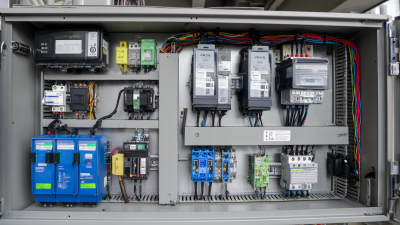
In today’s fast-moving world of industrial automation, you really can’t underestimate how important it is to have efficient energy solutions. That’s where “1 Phase To 3 Phase Vfd” systems come into play—they’re kind of a big deal when it comes to keeping motors running smoothly and at their best. Many industry folks believe that switching from single-phase to three-phase setups brings pretty substantial benefits, whether you’re in manufacturing or even renewable energy projects. Richard Hayes, who’s quite the expert in Variable Frequency Drives, puts it plainly: “Moving to a 1 Phase To 3 Phase Vfd can boost operational efficiency and cut down on energy costs.”
Around the world, manufacturers are on the lookout for dependable providers of these systems. Companies like Jiangsu Jinda Power Equipment Co., Ltd. have really made a name for themselves by offering top-quality Vfd solutions that fit a whole bunch of different industrial needs. Their focus on innovation and efficiency has helped them build a pretty solid reputation. But – and this is an important point – the market isn’t without its hurdles. Not every provider out there meets the high standards needed for safety and top-tier performance, so it’s definitely important for buyers to be careful and do their homework when choosing a vendor.
As industries keep evolving, so does the demand for better “1 Phase To 3 Phase Vfd” solutions. Investing in these technologies isn’t just about keeping up, it’s about showing your commitment to both sustainability and performance. That said, it’s crucial for companies to seek out expert advice and pick products they can depend on—especially in such a competitive environment. Honestly, it’s all about taking the time to think things through, do your research, and make informed choices—that’s what really matters.
China is a significant player in the Variable Frequency Drive (VFD) market. With expertise in both single-phase and three-phase VFD solutions, it caters to diverse industrial needs. Many manufacturers collaborate with global buyers, offering tailored products. These solutions aid in energy efficiency and precise motor control.
Leading Chinese VFD manufacturers leverage advanced technologies to enhance performance. Their products often integrate user-friendly interfaces. Yet, challenges remain in ensuring consistent quality across the board. Buyers report varying levels of satisfaction. Some have experienced performance glitches, prompting manufacturers to reassess quality control measures. Regular feedback helps refine these solutions further.
The competitive landscape also fosters innovation. New manufacturers continuously emerge, while established ones adapt to market demands. However, not all produce reliable VFDs. It’s crucial for buyers to conduct thorough research. Engaging with industry experts can provide valuable insights. Balancing cost and quality is essential in selecting the right VFD solutions.
Phase 1 to Phase 3 variable frequency drive (VFD) technology is critical in modern industrial applications. Understanding this transition can help businesses optimize energy efficiency and performance. Phase 1 VFDs are typically used in smaller applications, like fans or pumps, where simple motor control is sufficient. These systems help regulate motor speed and torque by adjusting frequency and voltage levels.
In contrast, Phase 3 VFDs suit more complex operations, such as heavy machinery and conveyor systems. They can control multiple motors or manage diverse operational loads. This adaptability is vital in industries with varying demands. However, transitioning from Phase 1 to Phase 3 VFDs can present challenges. Technical expertise is paramount to ensure proper integration with existing machinery. A lack of understanding or miscalculation may lead to performance issues.
Additionally, the learning curve involved in implementing advanced VFD technologies is steep. Operators may require training to maximize efficiency and minimize errors. Organizations must be cautious, as overlooking small details can result in significant downtimes. As industries evolve, embracing these innovations while recognizing their complexities can drive greater efficiency and sustainability.
This chart illustrates the efficiency of Variable Frequency Drive (VFD) solutions as they transition from Phase 1 to Phase 3 technology. The data indicates a significant increase in efficiency, reflecting advancements in VFD technology.
China has emerged as a leader in variable frequency drive (VFD) solutions. These devices are crucial for managing motor speed and improving energy efficiency. Buyers around the world are taking note of the key features offered by Chinese manufacturers.
One notable aspect of China's VFD solutions is their versatility. They cater to various applications, including pumps, fans, and conveyors. Also, many drive models are available, from low to high power ranges. This makes them suitable for both small-scale and large industrial operations. In addition, the compact design ensures efficient use of space in control panels.
Moreover, reliability is a cornerstone of these VFDs. They operate under varying conditions with minimal maintenance needs. However, some users report challenges in integrating these drives with legacy systems. It’s important for buyers to assess compatibility carefully. Understanding these aspects can help optimize performance and prevent unexpected downtimes. Balancing cost and functionality while addressing these concerns is essential for a successful installation.
The global demand for Variable Frequency Drives (VFDs) continues to rise, driven by various industrial sectors. Increasing energy efficiency and automation needs push manufacturers to adopt these systems. Factories seek to lower their operational costs and reduce their carbon footprint. VFDs provide significant benefits, such as optimized motor performance and decreased wear.
In the past few years, trends indicate a shift toward advanced control technologies. More industries are recognizing the importance of precise speed control. This realization creates opportunities for innovation in VFD design. However, the integration of new technology can be challenging. Companies must ensure proper training and maintenance practices are in place.
Many buyers face difficulties in choosing the right VFD solutions. There is a vast range of products available, leading to confusion. Understanding specific application needs is crucial. The lack of standardized information can make decision-making complex. Companies should focus on establishing reliable partnerships with suppliers to mitigate risks. This approach can enhance their operational effectiveness and sustainability efforts.
The transition from single-phase to three-phase Variable Frequency Drives (VFDs) represents a significant advancement in energy efficiency. According to recent industry reports, three-phase VFDs can improve energy conversion by up to 30% compared to their single-phase counterparts. This improved efficiency translates directly into cost savings for manufacturers and users alike. Industries operating heavy machinery often notice reduced operational costs as well.
Phase conversion can be complex. One challenge with three-phase systems is the increased initial investment. However, when you consider the overall lifecycle costs, the return on investment often proves favorable. Data suggests that while conversion may require more upfront funding, long-term energy savings and reduced maintenance costs can outweigh initial expenses.
Tip: Before investing in phase conversion solutions, conduct a detailed analysis of your operational needs. Assess your current power consumption and future demands. It could save you money in the long run. Addressing installation challenges early can ease transitions. Balancing performance with efficiency is key. Striking this balance often requires reassessment of existing infrastructures, something many industries may overlook.
In the realm of Variable Frequency Drives (VFD), China stands as a significant player. The growth of the VFD market in China is indicative of its technological advancements. According to a recent industry report, the global VFD market is projected to reach $21 billion by 2025, with China contributing a substantial share due to its manufacturing prowess.
China's top manufacturers focus on innovative solutions that cater to various industrial applications. They incorporate advanced technologies in their systems, enhancing energy efficiency and reducing operational costs. Notably, VFDs can improve motor performance, translating to significant savings. For instance, users can achieve energy reductions of up to 50% with proper implementation. However, the challenge lies in ensuring compatibility with existing equipment, which requires careful planning.
Expert analysis suggests that continuous research and development are essential to maintain competitiveness. While Chinese manufacturers lead in price and volume, some struggle with brand recognition in international markets. Feedback from global buyers indicates a desire for improved support and service infrastructure. This is an area where manufacturers can invest to enhance their global presence. Pursuing certifications and endorsements could bolster their credibility in the eyes of international customers.
| Manufacturer | Product Type | Power Range (kW) | Input Voltage (V) | Control Mode | Key Feature |
|---|---|---|---|---|---|
| Manufacturer A | VFD for Fans | 0.75 - 315 | 380 | V/F Control | Compact Design |
| Manufacturer B | VFD for Pumps | 1.5 - 200 | 220/380 | Vector Control | Easy Installation |
| Manufacturer C | General VFD | 0.37 - 400 | 380/440 | Open Loop Control | High Efficiency |
| Manufacturer D | Heavy Duty VFD | 5.5 - 560 | 380 | Synchronous Control | Robust Protection |
Variable Frequency Drives (VFDs) are transforming industries worldwide. They allow for energy-efficient motor control by adjusting speed and torque. In energy-intensive sectors like manufacturing and agriculture, VFDs have shown substantial benefits. A recent report by the International Energy Agency indicates that VFDs can reduce energy consumption by up to 50%.
One notable case is found in the water supply sector. In Spain, a municipality implemented VFDs to regulate pump speeds. This adjustment not only cut energy costs but also enhanced system reliability. Similar implementations in the U.S. saved over 30% in energy use across several water treatment plants. Yet, the process isn’t without challenges. Proper sizing and selection of the VFDs are crucial. Miscalculations can lead to inefficiencies and even equipment failure.
Tips: Understand the specific requirements of your application before choosing a VFD. Consulting with experts can prevent oversights. Also, regularly assess system performance post-implementation to ensure optimal operation. Embracing VFD technology can be complex. Continuous learning and adaptation are required to fully harness their potential.
In the realm of efficient motor control, the General VFD 55kW 380V 3-Phase Inverter Frequency Converter stands out as a remarkable solution for various industrial applications. This advanced device offers precise control over motor speed and torque, contributing to energy savings and improved operational efficiency. With its robust design and user-friendly interface, it simplifies the integration into existing systems, making it an ideal choice for both new installations and upgrades.
One of the key features of this inverter frequency converter is its versatility, accommodating a wide range of motor types and sizes. This capability allows businesses to tailor their motor control systems effectively to their specific operational needs. Additionally, the device supports various communication protocols, ensuring seamless connectivity with other equipment and enhancing system automation. With a warranty period of 18 months, users can enjoy peace of mind knowing that they are investing in a reliable product that is built to perform efficiently even under demanding conditions.
The General VFD 55kW inverter exemplifies the modern advancements in motor control technologies, paving the way for enhanced performance and reduced operational costs. By adopting such innovative solutions, businesses can stay competitive in an increasingly dynamic market, while benefiting from the long-term advantages of improved energy management and productivity.
: Three-phase VFDs can improve energy conversion by up to 30%. This leads to significant cost savings for users.
The initial investment is higher for three-phase systems. This can deter some businesses from making the switch.
Despite the higher upfront costs, long-term energy savings and reduced maintenance often outweigh these expenses.
A detailed analysis of operational needs, power consumption, and future demands is crucial for saving money.
Striking a balance may require reassessing existing infrastructures, which many industries might overlook.
China is a significant manufacturer, contributing to global advancements in VFD technology and market growth.
Proper implementation can lead to energy reductions of up to 50%, improving motor performance and saving costs.
Many struggle with brand recognition and support in global markets. This affects their competitiveness.
Investing in support infrastructure and pursuing certifications can help boost credibility with international customers.
Ongoing research and development are essential for staying competitive in the ever-evolving VFD market.
This article provides a comprehensive overview of China's advanced Variable Frequency Drive (VFD) solutions, specifically focusing on the transition from 1 Phase To 3 Phase VFD technology. It explores the key features of these systems and their significance in addressing the growing global demand for efficient and reliable motor control solutions.
The demand for VFDs is rapidly increasing, driven by trends toward energy efficiency and automation across various industries. The article presents a comparative analysis of phase conversion efficiency, highlighting the advantages of utilizing 3 Phase VFDs over their 1 Phase counterparts. Additionally, it spotlights leading Chinese manufacturers and showcases case studies of successful VFD implementations worldwide, illustrating the effectiveness and adaptability of these systems in diverse operational settings.