

Bypass Soft Starter technology is increasingly essential in many industrial systems for efficient motor startup and reliable operation. It reduces mechanical and electrical stress during startup and improves overall energy performance by using a bypass circuit after the motor reaches full speed. In this guide, discover how bypass soft starters work, their key benefits, main models, and how to choose the right one for your needs.
What Is a Bypass Soft Starter and How Does It Work?
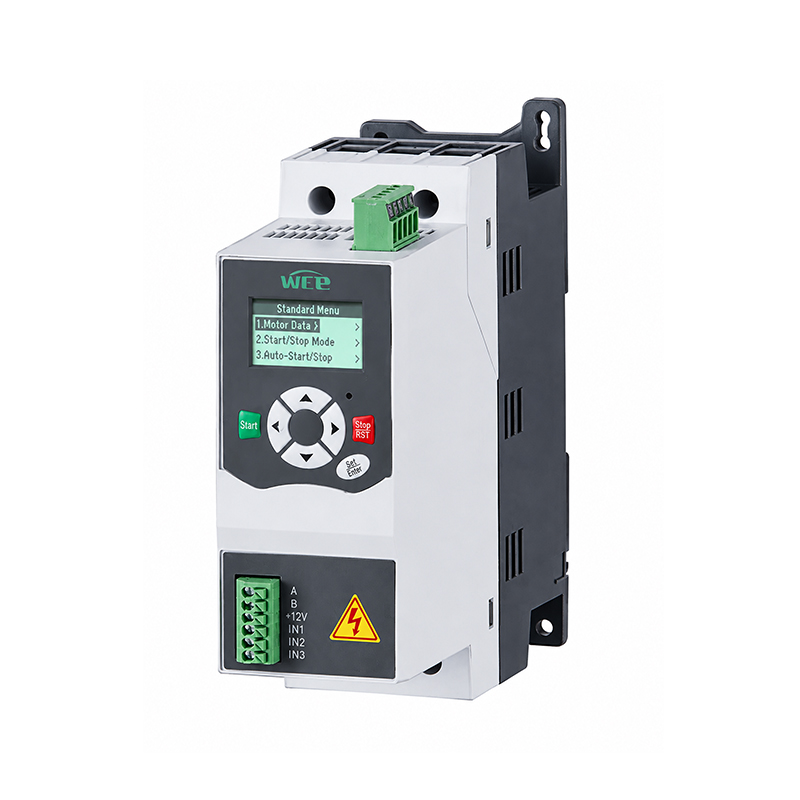
A Bypass Soft Starter is an electronic device used to limit the voltage supplied to an electric motor as it starts, enabling a smooth ramp-up and protecting equipment from sudden shocks. Once the motor achieves full speed, the starter employs a bypass circuit—either built-in or external—that connects the motor directly to the power source. The soft starter is then out of the current path, minimizing power losses and heat during steady operation.
Common types include Builtin bypass soft starter with an internal bypass contactor, and Contactor bypass soft starter featuring an external contactor. Advanced solutions like VFD bypass soft starter combine variable frequency drives for precision control with integrated bypass functionality.
Key Benefits of Using a Bypass Soft Starter
Installing a bypass soft starter brings several advantages:
Energy Efficiency: The bypass circuit drastically reduces power losses, lowering operating costs and limiting heat output compared to traditional starters.
Equipment Protection: Controlled voltage ramp-up prevents mechanical stress, minimizing wear on motors, belts, and gears during startup.
Reliability: Limiting electrical transients helps avoid faults, ensuring more stable operations and fewer breakdowns.
Space Optimization: Built-in bypass starters save space, making them suitable for compact installations and retrofits.
Lower Maintenance: Reduced wear and prolonged system life decrease downtime and maintenance needs, ensuring a better return on investment.
Bypass Soft Starter Models: Types and Comparison
Choose a model according to your application requirements:
Built-In Bypass Soft Starter: Integrates the bypass circuit within the starter enclosure for simple installation and reduced panel space. Ideal for direct replacements or space-constrained areas.
Contactor Bypass Soft Starter: Uses an external contactor for the bypass circuit. This model offers easy maintenance and flexibility, as the contactor can be serviced independently.
VFD Bypass Soft Starter: Combines variable speed control and bypass functionality. Useful in applications requiring both soft starting and speed variation, ensuring energy efficiency during normal operation.
Comparison: Built-in models are compact and easy to install, contactor bypass types excel in maintainability, and VFD bypass soft starters offer advanced motor control in dynamic settings.
How to Select the Right Bypass Soft Starter
Carefully consider these factors to select the optimal bypass soft starter:
Motor Size & Load: Match the starter’s voltage and current ratings to your motor’s requirements. Consider if your load is constant or variable and check compatibility with your environment.
Panel Space & Installation: For tight installations, built-in bypass starters are advantageous. For ease of maintenance, choose external contactor types.
Integration & Control: If automation or remote monitoring is required, select starters supporting relevant communication protocols.
Protection Features: Opt for starters with comprehensive protection, including phase loss, overload, and short-circuit safeguards.
Cost-Efficiency: Evaluate not only the purchase price but also energy savings, maintenance, and operational life.
Industry Applications
Bypass Soft Starter solutions are found in various sectors:
Manufacturing: Used with large motors in steel, cement, and paper processing to reduce startup stress and energy consumption.
HVAC: Enable smooth operation for air handlers, chillers, and compressors in commercial buildings.
Pumping: Keep municipal water and wastewater pumps running efficiently, preventing water hammer and ensuring energy conservation.
Installation & Maintenance Tips
Follow manufacturer instructions for proper wiring and panel placement. Test operation before deploying fully. Regularly inspect bypass mechanisms for wear and monitor diagnostic outputs for faults. Good maintenance habits will help maximize system reliability and lifespan.
Frequently Asked Questions (FAQ)
What are the main benefits?
Energy savings, improved equipment protection, lower maintenance, space optimization, and reliable motor performance.
How do models differ?
Built-in bypass starters are space-saving, contactor bypass types are maintainable, and VFD bypass units offer advanced control for changing loads.
How do I select the right model?
Consider motor requirements, installation space, control features, protective functions, and lifecycle costs.
Bypass soft starters represent a smart investment in motor control, offering robust protection, energy efficiency, and flexible integration. By selecting the right type and maintaining it well, you can boost your facility’s performance and reliability while lowering overall operational
Post time: Oct-15-2026