

The significance of a frequency converter is highlighted in the different industrial processes today. The basic function of the frequency converter is to provide electrical power in one frequency from another frequency. It is thus key to a lot of equipment functioning properly across various functions of use. The discussion provided in this guide covers many kinds of frequency converters and the proper way to select them.
What Is a Frequency Converter?
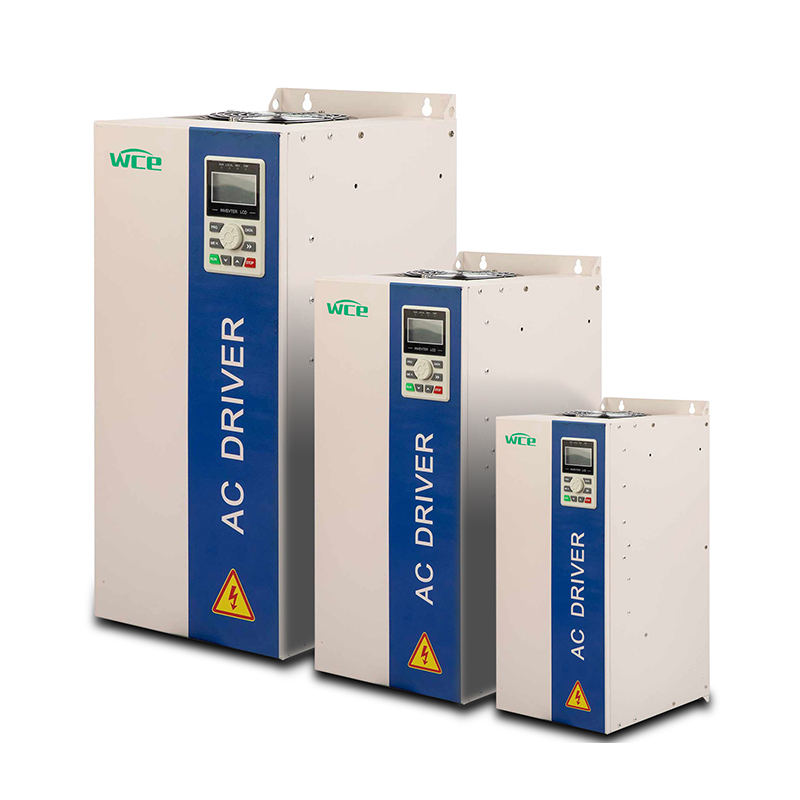
A frequency converter, or frequency changer, is an electrical instrument that alters the frequency of input power to fulfill the needs of the connected load. These devices are crucial in many areas of application like motors and generators where operational frequency differs from supply frequency.
Types of Frequency Converters Explained
There are two main types of frequency converters: static and dynamic. Static frequency converters make use of power electronics to switch frequencies with no moving items, making them more efficient and ideal for exact speed control application. On the other hand, dynamic frequency converters utilize rotary machines for the conversion process, which is very useful in some industries.
Common Applications of Frequency Converters
Frequency converters are utilized in a variety of sectors, including:
- Industrial Automation: These systems are integral in controlling motor speeds, increasing efficiency while minimizing power consumption.
- Renewable Energy Systems: Frequency converters are used in solar and wind energy systems for synchronization with the grid.
- Transportation: Electric vehicles and train systems take advantage of frequency converters to facilitate power management and ensure effective operation.
- Applications in Marine Environment: The ship’s propulsion system is fitted with frequency converters for the control of motors functioning according to their operation.
How to Choose the Right Frequency Converter
Selecting the appropriate frequency converter involves considering the following factors:
- Power Rating: Ensure the converter can handle the required load and operational demand.
- Conducting a power frequency analysis will help determine the frequency of power input and receive power demand.
- Application Requirements: Consider the specific requirements of your application, including the required torque, speed control, and efficiency.
- Environmental factors: Select a frequency converter that can endure the environmental conditions in which it will operate, such as temperature, humidity, and dust or water exposure.
Conclusion
Getting to know the different kinds of frequency converters and their important roles will help you make wise choices for your business. The role of these units is wide, from enhancement of motor performance to optimization of green energy systems. By analyzing your energy requirements and application conditions, you can choose the necessary frequency converter.
Post time: Aug-06-2026