

As automation continues to increase, more industries are looking for ways to increase their efficiency in energy consumption through the use of frequency converters. They will allow for more accurate control of electric motors and other types of applications within industry by allowing for the ability to vary the frequency of electrical power supplied to electrical motors and other applications.
What is a Frequency Converter?
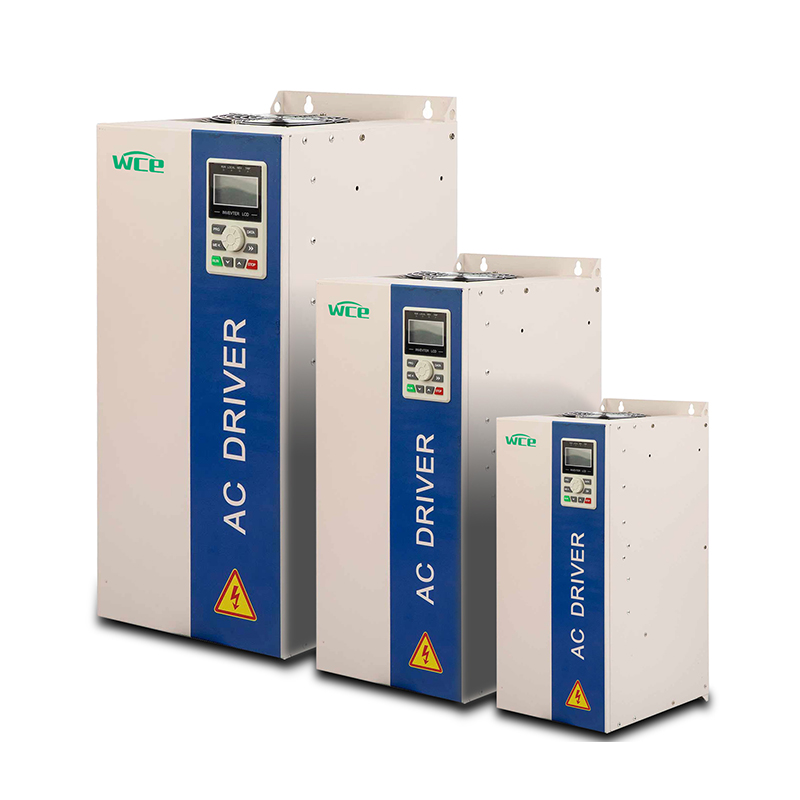
An electrical device used to convert an input signal (input signal) into an output signal (output signal) having a different frequency from the input signal is known as a frequency converter, as this allows for the adjustment of motor speeds and torque in environments where different levels of power are required for optimal operation.
Types of Frequency Converters
Frequency converters can broadly be classified into two categories:
• Converters with static frequency converters don’t require any moving parts, meaning they’re generally more reliable than other types of frequency converters. They work by changing electrical frequency via electronic circuits, and many small motors or applications use these.
Rotary frequency converters are frequency conversion devices that accomplish their task by means of mechanically driven rotating devices. They are most often applied in large industrial power applications where very large amounts of power will be developed or in processes related to very large machines and/or production.
Functions of Frequency Converters
The primary functions of frequency converters include:
• FrequencyConvertor: By controlling the electrical frequency supplied to the electric motor, variable speed control can be achieved.
• Efficiency in use of electrical energy: Reduced operating costs as a result of energy savings achieved through improved control over speed and performance.
• Enhanced process control: The ability to control motor speed and torque in manufacturing environments increases production flexibility and product quality.
Applications of Frequency Converters
Frequency converters are typically used in a variety of industrial applications, including:
In Heating Ventilation and Air Conditioning (HVAC) systems and water control systems, variable frequency drives help improve efficiency of pump operation by optimizing pump performance.
• Conveyor Systems: Frequency Converters used to control conveyor belt speeds to meet production requirements. Conveyor systems are frequently used for materials handling in logistics.
• Airflow Management: Fans powered by frequency converters achieve improved efficiency through their ability to match changes in loads, allowing for better airflow management with respect to both temperature and humidity.
Working Mechanism of Frequency Converters
Frequency converters work by converting alternating current (AC) into direct current (DC) using a process called rectification, and then converting the DC back into an appropriate frequency AC using a process called inversion. This mechanism allows for the electrical characteristics to be precisely tailored to what is required for a particular application.
Frequency Converter vs Soft Starter: Main Differences
Although both types of equipment are used to control motors, they have different uses. Soft-start devices mainly help to lessen the mechanical and electrical loads placed on a motor when it starts. Frequency converters, on the other hand, allow for variable-speed operation and can adjust how a motor operates over time – thus providing more options for modifying the motor’s operation.
Daily Maintenance & Common Faults of Frequency Converters
In order for frequency converters to provide optimal performance, they need to undergo regular maintenance. Typical maintenance activities include checking for electrical connections, inspecting for dust and debris that may obstruct cooling, and regularly testing the system’s overall performance through periodic testing. Some commonly encountered issues might include low output voltage or overheating. In many cases, you would need to troubleshoot to identify and correct underlying problems in your system.
Where to Find Frequency Converters Online
Numerous industrial equipment suppliers exist if you require an online frequency converter. Ensure that you select reputable suppliers that will be able to provide complete technical specifications on all of their products, as well as provide customer service to answer any questions you may have.
In conclusion, frequency converters are indispensable devices used extensively throughout industry today; they provide energy-saving measures, maintain proper speeds of rotation within machinery, and provide enhanced control over operating procedures. Knowledge about different kinds of frequency converters, their capabilities and limitations, as well as what types of applications they can be utilized within are necessary for businesses to benefit from these devices much more than ever before. When evaluating potential purchases, knowing the specific requirements needed for your application will assist you in selecting the proper type of frequency converter.
Post time: Jul-02-2026