

A frequency converter is an essential electrical device that ensures seamless global power compatibility and operational efficiency in modern industries. By transforming alternating current (AC) to match specific regional standards, these units protect sensitive equipment and optimize performance across borders. Understanding the core functions of a frequency converter is crucial for businesses operating international supply chains or managing diverse industrial machinery.
What Is a Frequency Converter?
A frequency converter is an electrical device that changes the frequency of an AC power supply to meet connected equipment’s requirements. While its main function is adjusting frequencies—such as converting 60 Hz to 50 Hz or vice versa—many modern units also adjust voltage simultaneously for full compatibility. This allows users to operate imported machinery safely and manage motor performance effectively.
Manufacturers design these systems to comply with international standards like IEC 61800 for adjustable speed drive systems. This ensures safe, efficient operation without harmful electromagnetic interference. A reliable frequency converter acts as a critical bridge between differing global electrical infrastructures.
How Does a Frequency Converter Work?
The operation of a frequency converter typically involves a two-step conversion process to achieve precise output control. First, a rectifier circuit converts the incoming AC power into direct current (DC), creating a stable intermediate power stage. Next, an inverter circuit synthesizes this DC power back into AC at the exact desired frequency and voltage.
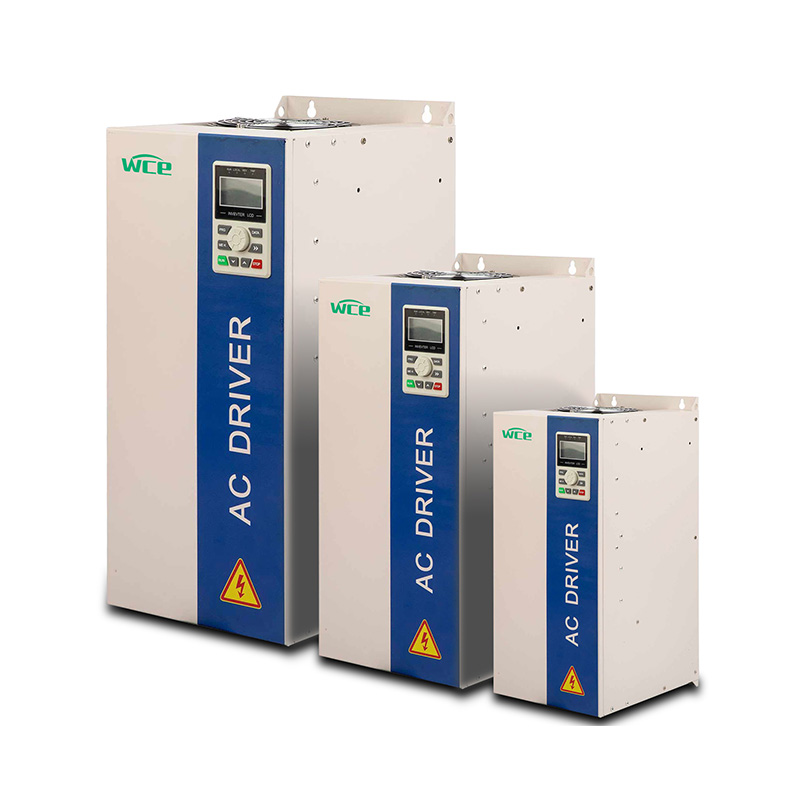
Modern static frequency converters utilize advanced semiconductor technology, such as IGBTs, to perform this conversion silently and efficiently. These high-quality systems often achieve energy efficiency ratings between 95% and 98%, minimizing power loss during the conversion process. This solid-state design eliminates the mechanical wear associated with older technologies, ensuring long-term reliability for industrial users.
Types of Frequency Converters
Different industrial environments require specific conversion technologies to handle varying loads and frequencies. Below is a comparison of the three primary types of frequency converters available on the market today.
| Type | Working Principle | Key Advantages | Typical Use Cases |
|---|---|---|---|
| Static Frequency Converters | Uses solid-state electronic components (rectifier and inverter) for AC-DC-AC conversion. | High efficiency (95-98%), silent operation, low maintenance, compact size. | Manufacturing, medical labs, export/import electronics, general industrial power adaptation. |
| Rotary Frequency Converters | Employs a motor-generator set to mechanically convert power frequencies. | High overload capacity, robust against electrical transients, handles massive power loads. | Legacy industrial systems, heavy-duty testing facilities, specialized military applications. |
| High Frequency Converters | Generates specialized frequencies significantly above standard grid levels (e.g., 400 Hz to 10 kHz). | Precise high-frequency output, tailored for specialized electromagnetic processes. | Aerospace ground power, induction heating, radio frequency systems, specialized research. |
Frequency Converter vs. VFD: Key Differences
While both devices alter AC power characteristics, their core applications and operational goals differ significantly in industrial settings. A standard frequency converter focuses on adapting power to ensure equipment compatibility across different regional grids or specialized test environments. In contrast, a Variable Frequency Drive (VFD) is specifically engineered to control the speed and torque of AC motors by varying both voltage and frequency simultaneously.
The table below outlines the fundamental differences to help you select the right solution for your needs.
| Feature | Frequency Converter | Variable Frequency Drive (VFD) |
|---|---|---|
| Primary Function | Adapts grid frequency and voltage for equipment compatibility. | Regulates motor speed and torque for precise process control. |
| Output Characteristics | Provides a fixed, stable frequency and voltage matching target specs. | Continuously varies frequency and voltage based on real-time motor demand. |
| Typical Application | Powering imported machinery, 400 Hz aircraft ground power, lab equipment. | Pumps, fans, conveyors, and CNC machines requiring variable speed. |
| Load Type | Designed for general electrical loads and sensitive electronics. | Optimized specifically for inductive AC motor loads. |
Common Applications Across Industries
Frequency converters are indispensable across multiple sectors where power compatibility and precision are non-negotiable. In manufacturing and automation, they enable the seamless integration of imported machinery by matching local power standards without requiring costly facility rewiring. The aerospace and aviation industry relies heavily on these units to supply specialized 400 Hz power for aircraft ground operations, maintenance, and testing.
Marine operations utilize frequency converters to safely adapt shore power to shipboard electrical systems, ensuring reliable vessel operations while docked. Medical and laboratory facilities depend on them to provide stable, precise frequencies that protect highly sensitive diagnostic and research instruments from power fluctuations. Furthermore, companies involved in the export and import of electronics use these converters to operate region-specific equipment globally without technical incompatibility issues.
Key Factors to Consider When Selecting a Frequency Converter
Choosing the right frequency converter requires a thorough evaluation of your specific operational requirements and environmental conditions. You must first verify the input and output specifications to ensure the unit perfectly matches both your local grid supply and your equipment’s power needs. Additionally, assessing the load capacity is vital to prevent overloads and to provide adequate headroom for future scalability.
The application environment dictates the necessary protective features, such as IP ratings for dusty or humid conditions. When evaluating options, consider that our frequency converter solutions are engineered to maximize efficiency and minimize long-term maintenance costs compared to traditional rotary alternatives. Finally, always verify that the unit meets relevant certifications and compliance standards, such as IEC 61800-3, to guarantee safe and legal operation in your region.
Frequently Asked Questions About Frequency Converters
Can a frequency converter run on both 50 Hz and 60 Hz power grids?
Yes. Most modern frequency converters accept either 50 Hz or 60 Hz input and convert it to the output frequency your equipment requires. Just confirm the input range before buying.
How much space does a frequency converter need?
Static models are compact and can be wall-mounted or placed in a cabinet. Rotary models require more floor space due to the motor-generator set. Check dimensions before installation.
Does a frequency converter require regular maintenance?
Static models need very little—mainly cleaning and periodic checks. Rotary models require more attention, including bearing lubrication and mechanical inspection.
What happens if I overload a frequency converter?
Most units have built-in protection and will shut down or alarm. Always size the converter with some headroom above your actual load to avoid downtime.
Conclusion
A frequency converter is a crucial component for ensuring global equipment compatibility and maximizing energy efficiency in today’s interconnected industrial landscape. Selecting the correct type based on input/output requirements, load capacity, and environmental factors guarantees that your devices operate properly regardless of local power demands. As technology continues to advance, these systems will only become more intelligent and efficient, further supporting modern industrial infrastructure.
Explore our full range of frequency converters to find the perfect match for your operational needs. Contact our team today for a free consultation and let us help you optimize your power infrastructure.
Post time: Oct-08-2026