

In a time when energy-saving and tailor-made solutions are necessary, frequency converters act as significant elements in different sectors. However, what exactly are they made of and how do they work? This piece will shed light on the topic of frequency converters, discussing how they operate and what they are made up of.
What Is a Frequency Converter?
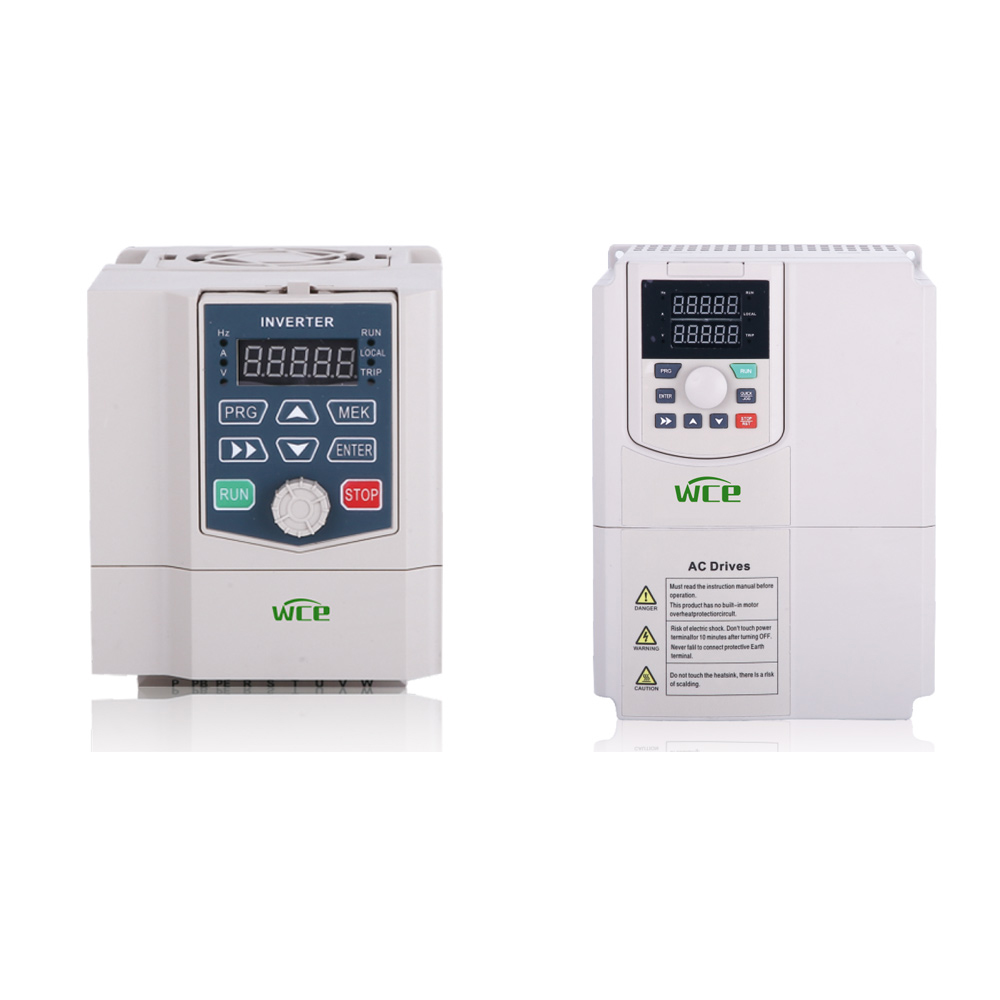
A frequency converter is an electrical device which transforms alternating current (AC) of one frequency to that of another. This device is quite useful in certain situations where appliances require a particular frequency for their proper functioning. Such a transformer has several functions, ranging from equalizing the power supply across different devices and improving the work of electric motors.
How Frequency Converters Work
The frequency of converters operates on two steps: rectification and inversion. First, the incoming AC is rectified into direct current (DC). In the second step, this DC is re-converted into AC, but on the desired frequency. This enables the machines to work at their optimal functioning no matter what frequency is being supplied.
Key Components of a Frequency Converter
A typical frequency converter consists of several vital components:
- Rectifier: Converts AC to DC.
- Inverter: Converts DC back to AC at the desired frequency.
- Filter: Smoothens out electrical signals to reduce disturbances.
- Control System: Manages operations and adjustments to maintain desired output.
The components function in conjunction with each other facilitating the effective and smooth functioning of the whole setup. Various forms of frequency converters use combinations of these components such as solid-state frequency converter, high-frequency converter to perform certain tasks.
Common Applications of Frequency Converters
The flexibility of frequency converters means they can be applied in a variety of contexts. Among the applications are:
- Industrial Machinery: Helps synchronize equipment operating at different frequencies.
- HVAC Systems: Adjusts motor speeds to optimize energy consumption and enhance comfort levels.
- Renewable Energy: Converts power generated from wind or solar sources to match local grid requirements.
- Transportation: Applied to electric trains and trams, providing variable speed control for enhanced efficiency and less wear.
The ability of frequency converters to meet many different requirements makes them extremely important in contemporary situations, as they support both efficiency and dependability.
FAQs About Frequency Converters
1. What Is a Frequency Converter?
A frequency converter is a device used to change AC supply frequency to another frequency, vital for specific industrial processes and machinery operation.
2. How Do Frequency Converters Work?
Working with electric current involved in the rectification of AC current into DC current and the conversion of DC current back into AC current at the frequency required is done using electronic circuit technologies.
3. What Are the Key Components of a Frequency Converter?
The major aspects in the procedure are rectifiers, inverters, filters, and control systems working in concert to facilitate proper conversion process.
4. Where Are Frequency Converters Commonly Used?
Usage can be seen in a wide range of spots, such as in HVAV systems, renewable energy projects, industrial machines and transport fields.
In conclusion, frequency converters are very important in improving electrical systems efficiency and productivity in different industries. The fact that they can adjust the frequency of power supply to meet operational needs makes performance better and electricity saved. As the demand for highly efficient and reliable machines increases, it gets more necessary to know and use frequency converters.
Post time: Aug-27-2026