

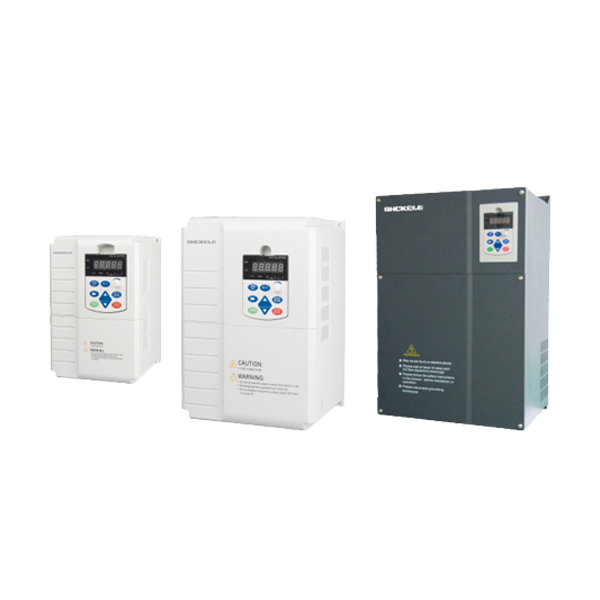
A frequency inverter, also referred to as a variable frequency drive (VFD), frequency drive inverter, or frequency converter inverter, is a type of device that controls the speed and torque of electric motors. By adjusting the frequency and voltage supplied to the motor, frequency inverters optimize performance, efficiency, and functionality across a wide variety of applications. This technology is widely used in industrial automation, HVAC systems, pumps, fans, and conveyor systems, making it fundamental for modern manufacturing and energy conservation.
Working Principle of Frequency Inverters
The working principle of frequency inverters is rooted in converting fixed-frequency electrical input into variable frequency and voltage output. First, the incoming AC power is rectified into DC voltage. Then, through a combination of power electronics (usually using Insulated Gate Bipolar Transistors, or IGBTs), that DC voltage is converted back into AC with adjustable frequency and voltage. This precise control allows motors to operate at variable speeds, optimizing energy consumption and performance.
Changing the frequency directly correlates to the speed of the motor; for example, reducing the frequency decreases motor speed, while increasing it boosts speed. Advanced frequency control inverters also offer soft start and stop functions, maintain stable rotation under variable loads, and protect motors from sudden surges and overloads.
Main Types of Frequency Inverters
Frequency inverters come in several types, each designed for specific operational needs:
1. Voltage-source inverters (VSI) are the most common, ideal for general industrial applications. They convert DC voltage into AC by adjusting both frequency and amplitude. VSIs provide excellent control and efficiency for a wide range of motors.
2. Current-source inverters (CSI), unlike VSIs, use DC current as their input and deliver current-modulated AC. CSIs are typically deployed in applications requiring robust performance under heavy load conditions.
3. Direct torque control (DTC) inverters represent the latest technology, offering real-time torque and speed management. DTC inverters are especially suitable for processes demanding rapid response and high precision.
4. Regenerative frequency inverters enable the recovery and reuse of energy from braking or deceleration processes. These are vital for elevators, cranes, and other systems with frequent stopping and starting cycles.
Choosing the right type depends on the nature of your machinery, control needs, and energy-saving goals.
How is a Frequency Converter Constructed?
The construction of a frequency converter inverter involves several key components designed for durability, reliability, and safety:
The primary parts include the rectifier (to convert AC to DC), a DC bus (to stabilize and store the DC power), and an inverter (switching module) that reconstructs AC at desired frequency and voltage. Modern units utilize sophisticated microcontrollers and digital signal processors, allowing precise control algorithms and real-time diagnostics.
Enclosures are engineered to protect electronic circuits from dust, moisture, and heat. Advanced cooling systems, either by forced air or liquid cooling, are integrated to maintain optimal operating temperatures. Safety features, such as overload protection, short-circuit detection, and thermal monitoring, are standard to safeguard the motor and inverter itself.
Connectivity options are increasingly important. Many inverters support industrial communication protocols, including Modbus, Profibus, and Ethernet, for seamless integration with process automation and IoT initiatives.
Function of a Frequency Converter Inverter
The fundamental function of frequency drive inverters is to provide variable speed control for AC motors. This control doesn’t just make machinery adaptable—it significantly enhances energy efficiency and operational flexibility. By matching motor speed to load requirements, frequency inverters reduce energy consumption, lower emissions, and prolong equipment life.
They also enable soft starts and stops, reducing mechanical and electrical stress on motors and connected machinery. Frequency control inverters ensure precise timing in process automation, adjustable flow rates in pumps or fans, and improved comfort in HVAC systems by avoiding abrupt changes in speed or temperature.
For plants aiming to adopt Industry 4.0 standards, frequency inverters are essential. Their ability to connect with sensors, actuators, and centralized control software means processes can be automated, monitored remotely, and adjusted in real time.
Key Applications of Frequency Inverters in Modern Industry
Frequency inverters play a crucial role in sectors where efficiency, reliability, and adaptability are paramount.
In industrial manufacturing, frequency control inverters regulate conveyor speed, synchronize multi-motor systems, ensure precise machining tolerances, and lower production costs. In HVAC, they optimize the operation of fans, chillers, and compressors, delivering energy savings and improved comfort.
Pumping systems benefit from frequency converter inverters by controlling flow, pressure, and reducing water hammer effects. In renewable energy, especially wind and solar power, frequency inverters help manage fluctuations, integrate distributed resources, and maintain grid stability.
Other applications include elevators, escalators, robotics, packaging lines, wastewater treatment plants, and even electric vehicles (EVs), where adjusting motor speed is key to performance and longevity.
How to Choose the Right Frequency Inverter: Practical Guide
Selecting the appropriate frequency inverter for your application involves evaluating several important factors:
1. Motor Type and Rating: Verify compatibility with the motor’s voltage, current, and horsepower requirements.
2. Application Demands: Consider whether you need basic speed adjustment, dynamic torque control, regenerative braking, or sophisticated process automation features.
3. Environmental Conditions: Assess ambient temperature, humidity, and exposure to dust or chemicals. Select models with robust enclosures and cooling solutions if needed.
4. Safety & Compliance: Ensure the inverter meets necessary national and international safety standards. Built-in protections against overload, short-circuit, and thermal excess are essential.
5. Energy Efficiency: Opt for models specifically designed to minimize loss and maximize efficiency, particularly in continuous duty or high-load operations.
If in doubt, consult with industry experts or manufacturers, providing detailed information about your site, motor, and operational needs. Many suppliers offer tailored solutions and technical support to guarantee seamless integration and optimal performance.
Advantages and Challenges of Frequency Inverters
Modern frequency inverters offer substantial advantages, including:
Energy savings: Reducing motor speed lowers power consumption, often by 20-60% depending on the load profile.
Extended equipment lifespan: Soft starting and stopping minimizes mechanical wear, leading to fewer failures and reduced maintenance costs.
Process flexibility: Quick adjustments to motor speed allow for responsive and customized production flows.
Enhanced automation: Inverters integrate easily into digital systems, offering real-time control and diagnostics.
Advanced Features in Frequency Control Inverters
The latest generation of frequency control inverters is equipped with advanced features to meet demanding industrial requirements:
Predictive maintenance: Built-in sensors and diagnostics monitor motor health, alerting operators to potential issues before they cause downtime.
Energy monitoring: Smart meters and digital displays provide real-time feedback on power usage, helping identify areas for further optimization.
Remote access: Connectivity via Ethernet or wireless networks allows operators to monitor, adjust, and troubleshoot equipment from anywhere, enhancing flexibility and responsiveness.
Integrated safety: Emergency stop, overcurrent protection, and compliance with safety standards like ISO or IEC are included to protect personnel and machinery.
These improvements make frequency drive inverters essential for sustainable, efficient, and safe production environments.
Frequently Asked Questions About Frequency Inverters
How is a frequency converter constructed? A frequency converter is built with a rectifier, DC bus, inverter module, microcontroller, protective enclosure, cooling system, and often communication interfaces for automation integration.
Can frequency inverters improve energy efficiency? Yes, frequency inverters help motors operate precisely at needed speeds, reducing waste and lowering power costs significantly.
Do frequency inverters require special maintenance? Routine inspection and monitoring, firmware updates, and periodic cleaning or replacement of parts (like cooling fans) are recommended for optimal performance and longevity.
Future Trends in Frequency Inverter Technology
The frequency inverter market is growing fast, driven by energy efficiency, automation, and sustainability. Key trends include IoT and cloud integration for remote monitoring and predictive analytics, more efficient power electronics, and intelligent algorithms for finer control. For businesses, these advances mean lower costs, better quality, and stronger competitiveness.
Frequency inverters are not just tools—they are strategic assets for smart, efficient, and sustainable industry. They are now essential for optimized performance, energy savings, and flexible control. With advanced functions and automation connectivity, they drive industrial progress. Whether installing new systems or upgrading existing ones, understanding frequency inverter technology helps businesses unlock its full benefits.
Post time: Sep-17-2026