

In the present fast-paced industrial scenario, the efficiency of machines has a direct impact on productivity and running costs. One of the most important factors contributing to efficiency is the frequency inverter. It is very essential to understand frequency inverters whether you are in the factory or working in HVAC or any other application, which involves driving any kind of motors. In this article, we will cover all the important things about frequency inverters, their kind, frequent applications, specifications, and tips to select the most suitable one.
What Is a Frequency Inverter?
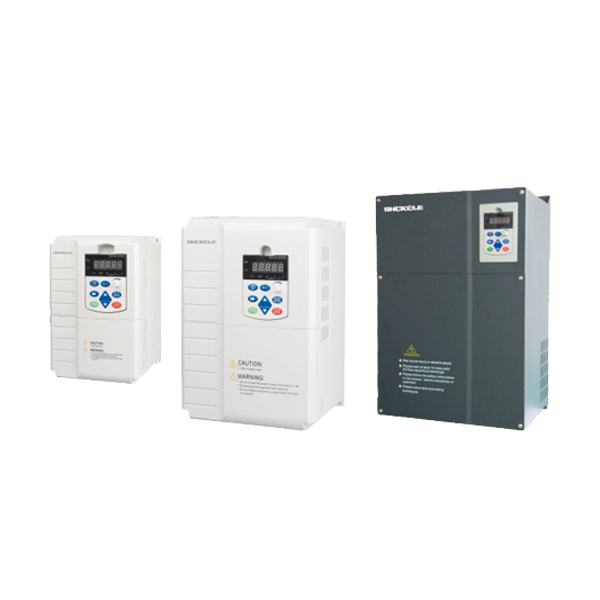
A frequency inverter, or so-called variable frequency drive (VFD), is a piece of electrical equipment that is used to control the speed and torque of an electric motor by altering the frequency and voltage of its power supply. Through changing these parameters, frequency inverters enable precise control of motor functioning, which increases efficiency and flexibility in many fields.
Types of Frequency Inverters Explained
Frequency converters can be divided into two types: high frequency converters and low frequency converters. High frequency converters are mainly used in those applications that require fast responses, such as in case of servo motors, while low frequency converters are typically used with standard AC motors for smoother speed adjustments.
There is another important factor to take into consideration refers to the control methods applied in frequency inverters. The following are the most well-known control methods:
- V/f Regulation: This technique ensures that a consistent ratio of voltage to frequency is maintained, making it ideal for typical applications.
- Vector Control enables adequate performance with accurate control of torque and speed, which is necessary for demanding applications.
- DTC is the most advanced form of control usually used in applications calling for high start-stop performance.
Common Applications of Frequency Inverters
Frequency inverters are used in several industries because of their versatility. They are particularly known for their great performance in sectors such as printing, textile, machine tools, and packaging machines. The other applications of frequency inverters include:
- Automation of Industries: In the manufacturing process, frequency inverters operate conveyor belts and motors in assembly lines to keep production levels at their optimum.
- HVAC system: It helps in ensuring energy efficiency by adjusting the speeds of the fans and pumps according to the required conditions and managing the energy consumption.
- Machinery used in Textiles Printing: With an amazing ability to control vectors as well as ease of use, such machines help increase productivity and meet quality standards.
Technical Specifications
Frequency inverters are credited with several features that make these devices versatile for different applications:
- Power Range: Single-phase: 0.4kW to 2.2kW; Three-phase: 0.75kW to 400kW.
- Control Mode: No PG open-loop vector control, V/F control.
- Starting Torque: Capable of delivering 150% of the rated torque at 0.25Hz frequency.
Product Advantages
Frequency inverters offer significant benefits such as:
- Advanced Vector Control Algorithm: Provides large low-frequency starting torque.
- Built-in PLD Function: Constructs a closed-loop control system.
- Simple PLC Function: Enables automatic multi-speed operation.
- Automatic Torque and Deviation Compensation: Enhances performance accuracy.
- Flexible Frequency Input Methods: Supports digital, analog, PLD, communication inputs, and more.
- Uninterrupted Power Supply: Allows for instantaneous power failure without stopping.
- Comprehensive Fault Protection Features: Ensures operational safety and longevity.
Optional braking units can be availed of in various single phase models with a motor power rating of 0.4kW to 2.2kW; in addition, standard braking units are equipped with three-phase models with a power rating of 0.4kW to 22kW.
Frequently Asked Questions
What is the lifespan of a frequency inverter? With proper maintenance, frequency inverters can last anywhere from 5 to 15 years.
Can a frequency inverter save energy? Indeed, frequency inverters are capable of ensuring a reduction in electricity use due to the adjustment of the motor’s speed.
Do frequency inverters require complex setup? Though certain devices may be easy to set up, advanced technologies may need trained personnel to get them working at their best.
It is important to realize and understand frequency inverters in order to achieve effective operation. Frequency inverters are useful because they help increase the efficiency of motors, give greater control performance, and decrease consumption of power at the same time, so they’re worth your money in any commercial or industrial operation. Define your requirements and parameters in order to choose the best inverter available.
Post time: Aug-04-2026