

In the current scenario of industry, there is a pressing need for efficiency, flexibility, and control in the operation of motors hence the rise of VFD frequency conversion. But what is VFD frequency conversion, how does it work, and why should it be a consideration for your application? This guide aims at uncovering the principles of Variable Frequency Drive technology.
What Is a VFD Frequency Converter?
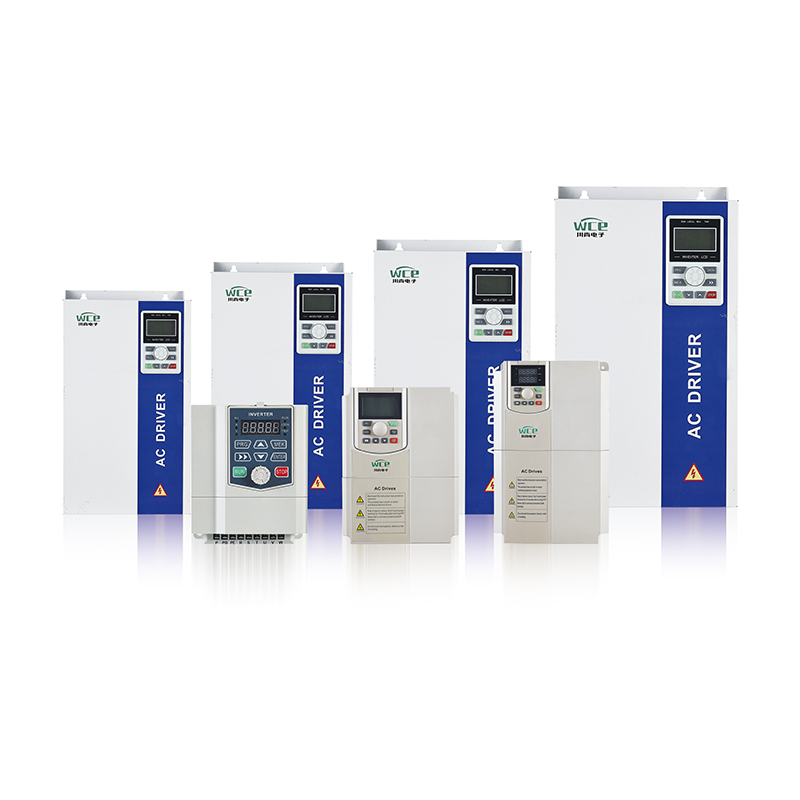
A VFD frequency converter is also called the variable speed drive, which is an electrical device that regulates the speed and torque of the electric motors by modulating the frequency and voltage of the current supplied to the motor. Adjusting these factors makes it possible to achieve precise control of the motor’s actions, resulting in lower energy consumption and enhanced efficiency.
Key Components of a VFD Frequency Converter
Understanding the essential components of a VFD is crucial in appreciating how it operates:
1. Rectifier: This initial phase of converting incoming AC electricity to DC power is crucial for subsequent modulation processes.
2. DC Bus: The component assists with eliminating ripples from DC power while ensuring that there are stable voltage supplies to the system.
3. Inverter: The inverter transforms the direct current into alternating current. It is at this stage that voltage and frequency are adjusted, which makes it possible to manage the motor speed.
4. Control Unit: Known informally as the brain of the VFD, this digital circuit is responsible for regulating the functions of the rectifier and the inverter as per control signals.
How Frequency Controls Motor Speed
The speed of an AC motor is largely determined by the frequency of the power supplied to it. The equation for calculating motor speed is usually given by:
Motor Speed (RPM) = (120 × Frequency) / Number of Poles
The output frequency of the inverter can be controlled by the use of VFDs as they enable motor velocity control. The motor slows down when the frequency drops and the speed of the motor increases with an increase in output frequency. Thus it becomes possible to adjust the frequency according to specific requirements.
Common Applications of VFD Frequency Converters
VFD frequency converters find applications across various industries due to their versatility:
- HVAC Systems: Used to control fans and compressors, optimizing energy use.
- Pumps: Allow for flow variations based on real-time requirements.
- Conveyors: Enable precise speed control to match production rates.
- Crushers and Mixers: Help maintain optimal operational conditions while minimizing energy waste.
FAQ
1. What are the main benefits of using a VFD frequency converter?
The application of a VFD frequency converter strongly contributes to the efficiency of energy consumption, as well as to the duration of the equipment in operation and the costs for maintenance activities.
2. Are there any limitations to VFD frequency converters?
Although variable frequency drives (VFDs) have many positive points, they can also generate harmonics in the electrical system that necessitate supplementary filtering.
3. Can VFDs be used with any motor?
Variable Frequency Drives are manufactured specifically for utilization in connections with AC induction motors. Nevertheless, other motors, including synchronous and permanent magnet ones, may be employed as well if specifically designed for use with the particular VFD model.
In conclusion, utilizing VFD frequency converter technology is powerful for managing the speed of motors and maximizing process efficiency in various scenarios. Knowing how these systems operate and their remarkable advantages will allow businesses to make good choices about optimizing operations and saving energy. If you need assistance with motor processes or seek additional information on how to employ VFD technology, consult your local expert for personalized help.
Post time: Aug-13-2026