

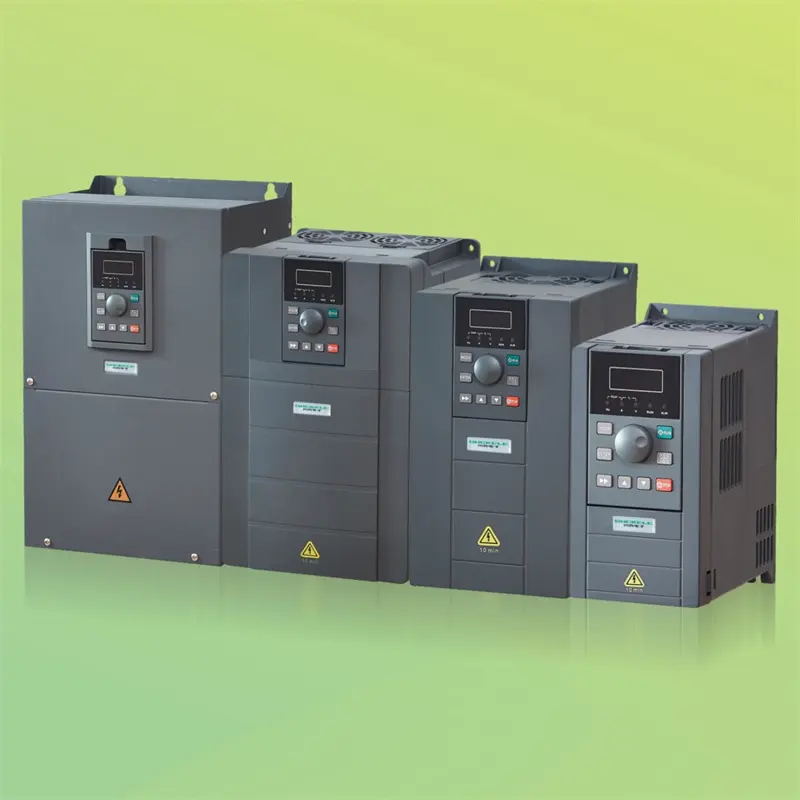
If you’re looking to improve the efficiency of an electric motor in an industrial, HVAC, or pumping application, you’ve likely realized you need a frequency inverter (also commonly called a Variable Frequency Drive or VFD). But with so many models and specifications, how do you pick the right one? This guide will walk you through the key questions to ask, helping you make a confident and informed decision.
Step 1: Define Your Application and Motor
The most critical step is understanding what you need the frequency inverter to do. Start with the motor it will control.
·Motor Specifications: Record the motor’s full nameplate ratings power, voltage, and full-load current and ensure the inverter matches or exceeds these specifications.
·Application Type: Is it for a pump, fan, conveyor, compressor, or a machine tool? This dictates the required performance. A simple fan or pump has different demands than a conveyor that needs high starting torque.
Step 2: Match the Inverter’s Core Specifications
Once you know your motor’s needs, find an inverter that fits.
· Power Rating: The inverter’s output current and power should meet or exceed the motor’s rated values. Choosing one size above the motor’s current rating is recommended for a safety margin.
·Voltage Rating: Ensure the input voltage of the inverter matches your mains supply, and its output voltage matches your motor.
·Control Method & Features: Select based on required speed control. Basic options include potentiometer or keypad operation. For automation, ensure communication capabilities. Advanced features like PID control or custom acceleration ramps may be needed for specific processes.
Step 3: Consider the Installation Environment
Where the inverter will be installed greatly affects its required durability.
·Enclosure Rating (IP Code): Choose based on the installation environment: IP20 for clean, controlled cabinets; IP54/65 or higher for dusty, damp, or washdown areas.
·Ambient Temperature: Ensure the inverter’s maximum operating temperature rating suits the location. Provide sufficient cooling or ventilation if needed.
Step 4: Plan for Protection and Safety
A good selection protects both your equipment and personnel.
·Built-in Protection: Verify that key protections—such as overload, short-circuit, overvoltage, undervoltage, and motor thermal overload protection—are included.
·Harmonics & EMC: In sensitive electrical environments, consider an inverter with built-in filters to limit electromagnetic interference and harmonic distortion.
Step 5: Think About Usability and Support
Don’t overlook the practical aspects of daily use and maintenance.
·User Interface: Is the control panel intuitive? Is programming straightforward? Can parameters be easily copied for setup of multiple units?
·Technical Support & Warranty: Choose a supplier known for reliable technical support and clear documentation. A strong warranty provides long-term peace of mind.
Final Checklist Before You Buy
- Motor Match: Inverter output ≥ Motor nameplate current and voltage.
- Application Fit: Torque characteristics and features suit the machine.
- Environment Ready: Enclosure (IP) rating matches the installation location.
- Protection Covered: Key electrical and motor safeguards are included.
- Future-Proofed: Has necessary I/O and communication ports for potential system expansion.
Selecting the right frequency inverter requires balancing technical compatibility, environmental fit, and ease of use. By starting with a clear understanding of your motor and its application, and systematically evaluating these factors, you can choose a drive that ensures reliable operation, energy efficiency, and precise long-term control. Ultimately, the aim is to find a solution that optimizes your system’s performance.
Post time: Dec-30-2025