

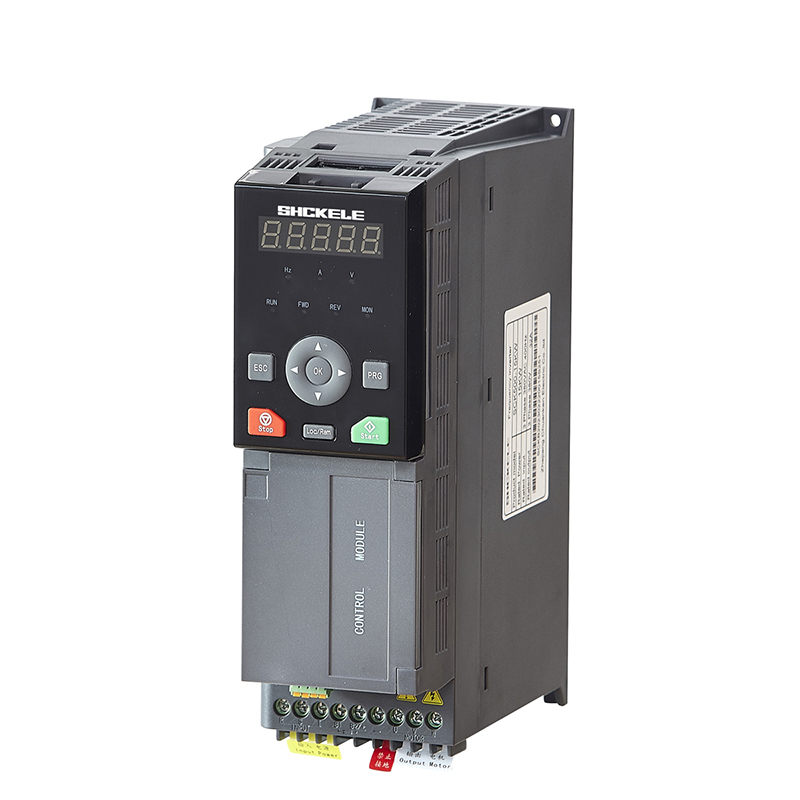
Selecting the right Frequency Inverter—also known as a Variable Frequency Drive (VFD)—is essential for optimizing motor performance, improving energy efficiency, and ensuring long-term reliability in your applications. A Frequency Inverter controls the speed and torque of an AC motor by varying the frequency and voltage of its power supply. This device plays a key role in reducing energy consumption, minimizing mechanical stress during startup, and providing precise control over motor-driven systems.
Whether you’re upgrading an existing setup or designing a new one, understanding the following factors will help you make an informed choice.
Key Considerations for Choosing a Frequency Inverter
1. Match the Motor Specifications
Start by checking the motor’s nameplate details, particularly its rated voltage, current , and power . The Frequency Inverter you select must be sized to handle the motor’s full-load current and power rating. Oversizing or undersizing can lead to inefficiency, overheating, or premature failure.
2. Understand Your Application Requirements
Different applications have unique demands. For example:
- Pumps and fans often benefit from energy-saving modes and linear speed control.
- Conveyors or machinery with varying loads might require higher starting torque.
- Precision processes may need closed-loop control for accurate speed regulation.
Identify whether your application involves constant torque or variable torque, as this influences the inverter’s design and capability.
3. Consider the Operating Environment
Will the Frequency Inverter be installed in a controlled indoor space or a harsh industrial setting? Factors like ambient temperature, humidity, dust, and vibrations can impact performance. For challenging environments, look for models with appropriate ingress protection ratings, robust enclosures, or built-in cooling mechanisms.
4. Evaluate Control and Connectivity Features
Modern inverters offer a range of control options, from basic keypad interfaces to advanced connectivity via Ethernet, Modbus, or other industrial protocols. Consider how you’ll program and monitor the device. Features like preset speeds, automatic fault reset, and remote control capabilities can greatly simplify operation and integration.
5. Prioritize Essential Protections
A reliable Frequency Inverter should include protective functions such as overcurrent protection, short-circuit safeguards, overheating prevention, and under-voltage tolerance. These features help protect both the inverter and the motor from damage due to electrical faults or unstable power conditions.
Advantages and Common Applications
The primary benefits of using a Frequency Inverter include significant energy savings reduced mechanical wear during soft starts, and improved process control. These advantages make it a versatile solution for industries ranging from HVAC and water treatment to manufacturing and material handling. Common applications include controlling pump speeds in water systems, adjusting fan speeds in ventilation, and regulating conveyor belts in production lines.
When to Seek Professional Guidance
If your application involves complex motor control, specialized industry regulations, or high-power systems, consulting with an experienced electrical engineer or supplier is highly recommended. They can help you navigate technical nuances, ensure compatibility with your existing equipment, and avoid costly missteps.
By carefully evaluating your motor specs, application needs, and operational environment, you can select a Frequency Inverter that enhances efficiency, extends equipment life, and delivers a strong return on investment. Taking the time to choose wisely will pay off in smoother operations and long-term reliability.
Post time: Jan-08-2026