

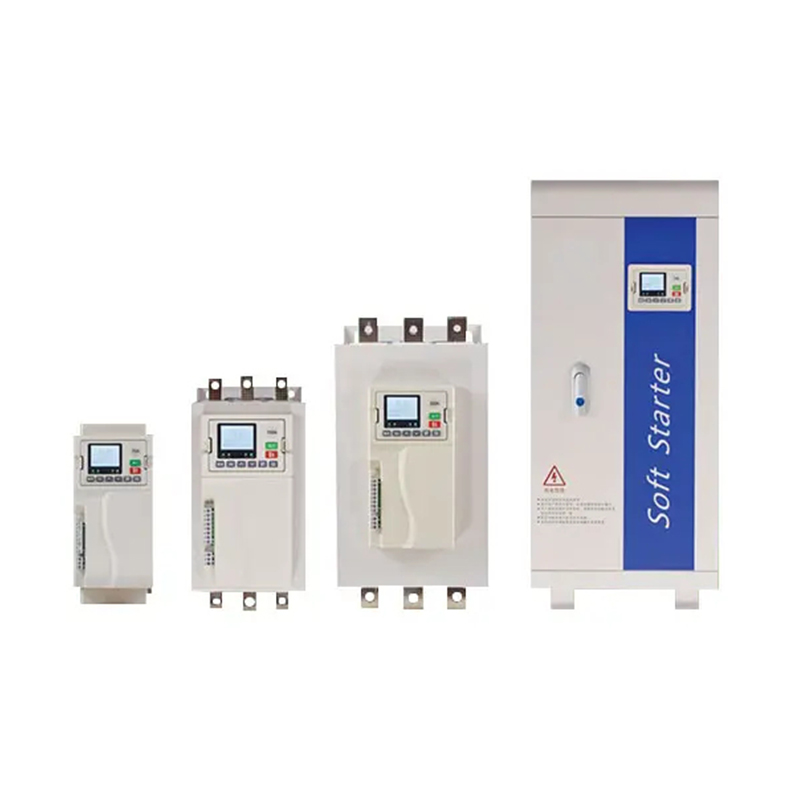
Motor Soft Starters are devices in electrical engineering that help to decrease the amount of electrical amperage when a motor first starts up. They also allow for a gradual acceleration of an AC electric motor, which helps to reduce the risk of mechanical stress and increase the length of time that the connected equipment will last. Whether you are considering installing a 3 phase motor soft starter into your system or have a general interest in where to use them, one of the most important factors in determining how to successfully use the devices is knowing where they may be located during installation. This article outlines the various best practices for how and/or where to locate motor soft starters, as well as answers to common questions that buyers have about their use.
Motor Soft Starter Common Locations
Motor Soft Starters can be mounted in many places in the world, depending on the application end user. Here are some of the common places you may find motor soft starters installed in:
1. Manufacturing Plants: Motor soft starters can be commonly located at manufacturing plants where processing equipment is installed and used, typically around heavy machinery. For example, conveyor systems, pumps, and compressors normally utilize 3 phase motor soft starters, because of the high amount of power they use and the amount of wear and tear on the equipment.
2. Commercial Buildings: In commercial buildings, HVAC systems typically use motor soft starters when needing to run large air conditioning or heating systems, in order to avoid on rush electricity at start-up.
3. Water Treatment Facilities: Pumps used to distribute water and to process sewage will normally use motor soft starters to prevent any issues from occurring during operation due to shock, thereby ensuring a smooth operation without any mechanical breakdowns associated with electric motors.
Agricultural Fields
Soft starters have been widely utilized in irrigation systems, where pumps and motors are required to operate in a reliable manner during different operating conditions.
Automation Applications
Soft starters are typically installed adjacent to the motors they control within robotics or automated machinery systems to provide a steady and precise operation.
Factors to Assess When Locating a Soft Starter
Choosing the correct location for a motor soft starter is essential to ensure the soft starter operates efficiently and has a long lifespan. The following factors should be given careful consideration:
Proximity to the Motor
Motor soft starters are typically installed near to the motor that they control to reduce electrical losses and provide a seamless connection between motor and starter.
Ventilation and Cooling
Motor soft starters create heat during operation which could lead to a failure if not adequately cooled. Soft starters should be installed in well-ventilated areas to help to prevent overheating and to maintain consistent performance.
Accessibility
Employees will need to access the motor soft starter easily for troubleshooting and for checking machinery. Proper placement of soft starters will help to save time and to reduce delays in repair of machinery.
Environmental Conditions
Motor soft starters should be shielded from high temperatures, moisture, and dust. Depending on the environment, proper enclosures may be necessary to protect equipment from damage due to harsh environmental conditions.
FAQs
When and Where Are Soft Starters Used?
Soft starters are used for controlled startup/stopping of motors to minimize the mechanical/electrical stress experienced in these applications. Some examples of the types of applications that use soft starters include industrial equipment, heating, ventilation and air conditioning (HVAC) systems, water supply pumps, and elevators or lifts.
Does a Soft Starter Harm an AC Motor?
A properly installed soft starter does not harm an AC motor; rather, it provides a way to extend the life of the motor by reducing the amount of stress placed on it during start-up and by eliminating spikes in current during operation, creating a much smoother flow of current.
Can a Soft Starter Hurt a Motor?
Soft starters were specifically designed to protect a motor, not cause damage. By limiting the amount of excess torque that is generated and by reducing the initial inrush of current, a soft starter helps to reduce the amount of stress that is placed on various components of the motor and will help increase the durability of the equipment.
Soft Starter Disadvantages
Although soft starters provide many advantages, there are some disadvantages to using them, including:
- Inability to control speed while operating (will require a variable frequency drive if you desire to be able to adjust speed);
- Limitation to only AC motors;
- Subject to heating issues if not installed properly or cooled correctly.
Other Considerations
To find the best local soft starter for your application, it would be best to research technical reference materials such as a vendor’s soft starter PDF, or use some sort of manufacturer’s website to help in deciding the optimal location to install soft starters for your specific application. If you take the time to understand exactly what your motors are operating under, it will assist you in determining the most compatible solution.
Additionally, when integrating the soft starter with your electrical infrastructure (circuit breakers and/or protective devices), the overall reliability and safety of the installation can be improved.
In addition, providing training to operators and/or maintenance technicians on how to troubleshoot basic soft starter problems will help ensure that you can maintain uninterrupted operations.
Summary
Identifying where to place motor soft starters is important for obtaining maximum performance and ensuring the protection of your equipment while providing energy cost savings. From industrial applications to farm irrigation systems, there are many applications where soft starters can be used to prolong the life of motors and improve efficiency. When determining locations for installation, consider location, space, accessibility, and environmental obstacles. Be sure to obtain the necessary documentation from your manufacturer and obtain advice from a qualified professional to make well-informed decisions. Quality installations and maintenance of motor soft starters will directly contribute to the long-term success of your installation.
Post time: May-21-2026