

In manufacturing environments, the Motor Control Cabinet is an important component. It provides a means to operate motors in a safe manner. Selecting the right Motor Control Cabinet is key to ensuring maximum productivity and the longer life of equipment. This article provides the necessary guidance on how to select a motor control cabinet based on appropriate definitions and practical tips.
Understanding the Motor Control Cabinet
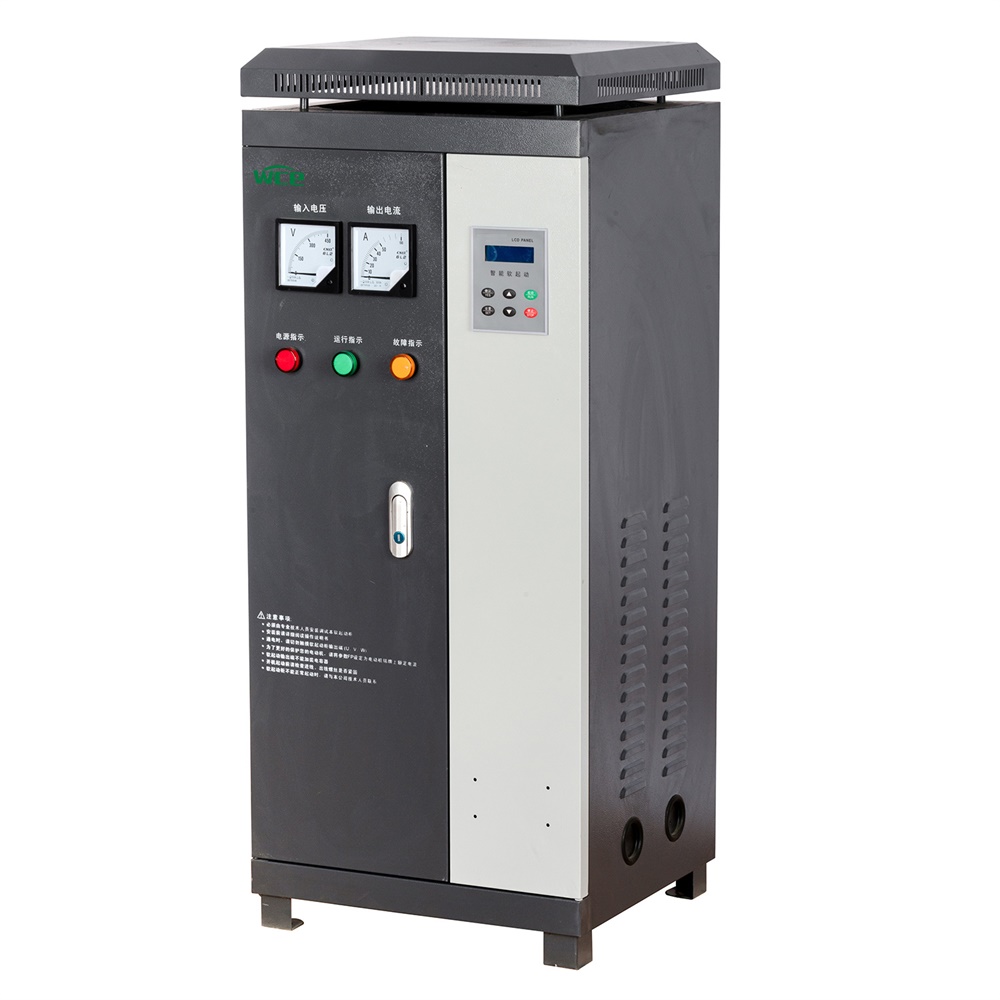
A Motor Control Cabinet is a box that contains such devices as motor starters, protective relays, contactors, and circuit breakers. The main purpose of this box is to serve in the management and protection of industrial motors, to facilitate maintenance, and to help operate machinery correctly. The design of the cabinet is determined by the needs of a given facility and may include simple starters for single motors as well as more sophisticated controllers for several loads.
MCC vs. Motor Control Cabinet: Terminology Explained
The Motor Control Center (MCC) and Motor Control Cabinet are both categorized as forms of motor control structures, but they differ in scope and size. An MCC is a modular installation that allows the control of several motors from a central point, and thus this kind of installation is often seen in large facilities. A motor control cabinet generally refers to a solitary enclosure that is used to control an individual motor or a small number of motors in an application that may not require centralized controls for their operation. Knowing the difference between the two helps potential customers choose the most appropriate solution for their applications.
Key Components and Their Functions
Motor control cabinets typically integrate:
- Motor Starters—Control starting current and provide protection to motors from overloads through using DOL, Star-Delta starters, soft starters, or a variable frequency drive.
- Contactors & Relays—Allow remote switching and provide safety interlocks.
- Protection Devices—Prevent damage with overload relays, circuit breakers, and fuses.
- Operator Interface—Pilot lights, push buttons, and signaling devices for real-time status and quick response.
- Enclosure—Constructed to withstand environmental risks such as dust, moisture, and mechanical impact.
Matching Cabinets to Motor Loads and Starting Methods
Cabinets must align with motor characteristics and operation:
- Analyze motor horsepower, voltage, number of phases, and starting current.
- Choose suitable starter types based on load and operational needs.
- Coordinate device protection so faults don’t shut down more equipment than necessary.
When consulting vendors, the requirements should be specified clearly as poor selection increases maintenance and risk.
NEMA and IP Ratings: Enclosure Protection
Motor control cabinets require appropriate enclosure ratings:
- NEMA Ratings—Indicate protection against dust, water, corrosion, and impact (e.g., NEMA 4X for wet locations).
- IP Ratings—Show resistance to solids and liquids (IP65 or above for harsh environments).
Match ratings to your site conditions to avoid equipment failure and ensure regulatory compliance.
FAQs for Buyers
Can a single motor control cabinet serve multiple motors?
Yes, if its busbar, protection devices, and thermal capacity are sized accordingly. Beyond a certain number of loads, a modular MCC becomes more practical.
What information should I provide a supplier before requesting a quote?
Motor horsepower, voltage, phase, starting method, expected fault current, site environment, and required certifications. Clear input reduces the risk of rework.
How do I decide between NEMA and IP ratings?
It depends on your market and site. NEMA is common in North America and covers corrosion and impact; IP is widely used internationally and focuses on ingress. Specify what your jurisdiction recognizes.
What documentation should accompany the cabinet on delivery?
Wiring diagrams, component datasheets, short-circuit coordination study, and test reports—supporting commissioning, maintenance, and compliance audits.
Sourcing and Best Practices
Investigate and evaluate providers regarding their engineering assistance and compliance certifications. Describe your operation and technical specifications, ask for applicable documentation and support, and choose cabinets with modular designs.
Choosing the correct Motor Control Cabinet is vital to operation reliability. Buyers need to align the cabinet characteristics with their process, take care of protection, and consider the future growth. If everything is done correct, it helps to guarantee the solution that makes the processes safer and easier.
Post time: Nov-07-2026