

The evolution of motor control technology has introduced numerous tools to enhance operational efficiency and protect equipment. Among these advancements, the bypass soft starter has emerged as a popular solution for starting and stopping electric motors. This device is integral to industries requiring precise motor control, offering benefits such as reduced wear and energy savings. In this article, we’ll explore the main applications of bypass soft starters, their advantages, and tips for selecting the right one for your needs.
What is a Bypass Soft Starter and How Does It Work?
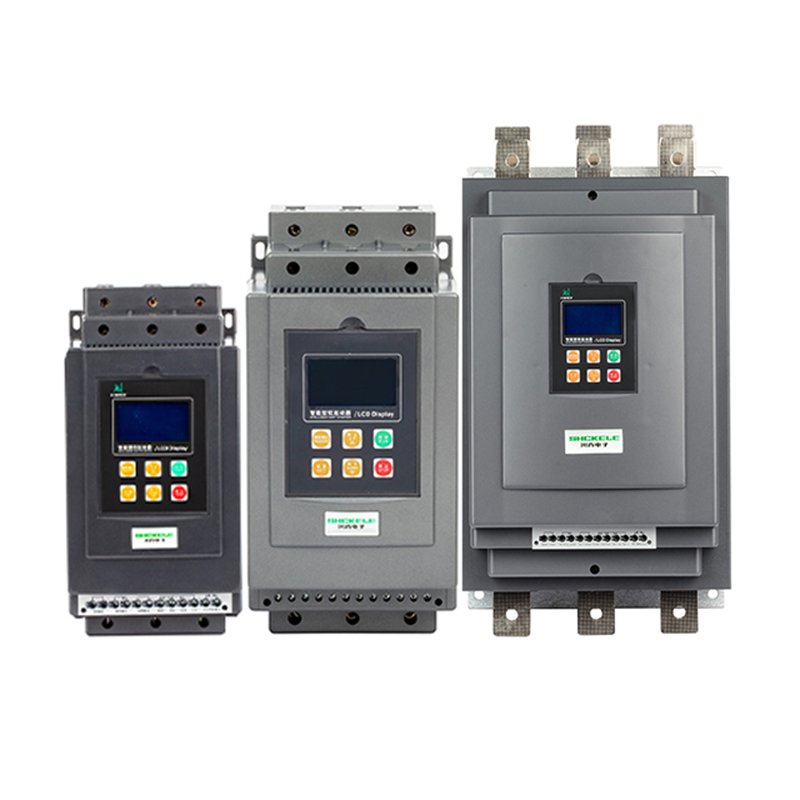
A bypass soft starter is a motor control device designed to manage the starting process of an electric motor. Its primary function is to gradually increase the voltage supply, which helps the motor start smoothly, without sudden surges in current. Once the motor reaches its full speed, the bypass feature activates, allowing the motor to run at full load without the soft starter handling continuous current. This transition improves energy efficiency and reduces heat generation in the system itself.
Bypass soft starters come in two main types: built-in bypass soft starters, where the bypass circuit is integrated into the device, and external bypass soft starters, where a separate bypass system is employed. Both designs serve the same purpose but are implemented differently based on the complexity and requirements of the application.
Key Benefits of Using Bypass Soft Starters
Industries that adopt bypass soft starters experience several critical benefits, which make these devices indispensable in certain applications. Here are some key advantages:
1. Smooth Start and Stop Functions: Soft starters eliminate the mechanical shock that occurs during direct-on-line (DOL) motor starts by providing a smoother acceleration curve. This safeguards the motor and connected machinery.
2. Lower Energy Consumption: By precisely controlling the amount of current at startup, bypass soft starters help increase energy efficiency, which reduces operational costs in the long run.
3. Minimized Mechanical Wear: With a gradual start and stop, connected components like gears, belts, and pumps experience less stress, increasing their lifespan.
4. Improved Power Quality: By reducing inrush current during motor startup, bypass soft starters help maintain power quality, ensuring minimal disruption to other equipment.
5. Reduced Heat Generation: The bypass feature prevents continuous use of the starter, which cuts down on heat emission, protects connected components, and improves overall performance.
Primary Applications of Bypass Soft Starters
Bypass soft starters are used across various industries where effective motor control is essential. Below are the typical applications:
1. Water and Wastewater Treatment: In applications like pumps and blowers, smooth starts are critical to prevent issues like water hammer and mechanical stress.
2. HVAC Systems: Fans and compressors often use soft starters to avoid high starting currents, reduce noise, and improve energy efficiency.
3. Industrial Conveyors: For manufacturing plants using conveyor systems, a soft starter ensures controlled acceleration and deceleration, protecting the system from sudden loads or stops.
4. Mining and Material Handling: The robust design of bypass soft starters make them ideal for controlling heavy-duty equipment like crushers, conveyors, and grinders in mining applications.
5. Agriculture: Bypass soft starters are frequently used in irrigation systems to power pumps, ensuring steady water flow and preventing motor failures.
How to Select the Right Bypass Soft Starter
Selecting the right bypass soft starter for your specific application is essential to ensure efficient operation. Consider these factors:
1. Motor Power Rating: Match the soft starter to the motor’s power and ensure it can handle the motor’s load profile.
2. Voltage and Current Requirements: Understand the electrical characteristics of your system to choose a suitable starter that can handle the expected power demands.
3. Environmental Conditions: Consider the operating environment, such as temperature, humidity, and exposure to dust or moisture, to choose a starter with proper protection ratings.
4. Built-in vs. External Bypass: Determine whether a built-in bypass system, which saves installation space, or an external bypass, which may provide higher operational flexibility, suits your application better.
5. Advanced Features: Explore additional features such as motor protection settings, remote monitoring capabilities, and communication protocols for integration into automated systems.
Frequently Asked Questions (FAQ)
What is the Primary Role of a Bypass Soft Starter?
The main purpose of a bypass soft starter is to ensure the smooth acceleration and deceleration of electric motors, reducing mechanical stress and electrical surges. Once the motor reaches its operating speed, the bypass function engages to optimize efficiency and reduce heat generation.
What are the Differences Between a Built-in and an External Bypass Soft Starter?
A built-in bypass soft starter integrates the bypass circuitry within the device, saving space and simplifying installation. An external bypass soft starter, on the other hand, uses a separate bypass unit, offering higher flexibility for larger or more complex systems that demand distinct configurations.
What Maintenance Does a Bypass Soft Starter Require?
Regular maintenance includes inspecting electrical connections, ensuring clean terminals, and checking for proper ventilation to prevent overheating. Following the manufacturer’s guidelines can ensure long-term reliability and performance.
Can Bypass Soft Starters Be Used with All Motor Types?
Bypass soft starters are typically used with AC induction motors. However, their compatibility with other types of motors should be reviewed in consultation with the manufacturer.
Bypass soft starters are indispensable tools for industries requiring efficient motor control. From reducing initial current loads to minimizing mechanical stress, these devices bring numerous benefits to industrial operations. Whether you are in the HVAC, agricultural, or manufacturing sector, selecting the right bypass soft starter can streamline your processes, lower costs, and extend the service life of your equipment. By evaluating motor specifications, environmental conditions, and the specific needs of your application, you can make an informed decision that delivers lasting results.
Post time: Jun-23-2026