

The smooth, reliable operation of motors is important in any industrial application. A particularly effective method to achieve this goal is with a Motor Soft Starter. So that you will fully understand the Soft Starter’s function, types, advantages, and uses, we will discuss all of these topics in detail in this article.
What Is a Motor Soft Starter?
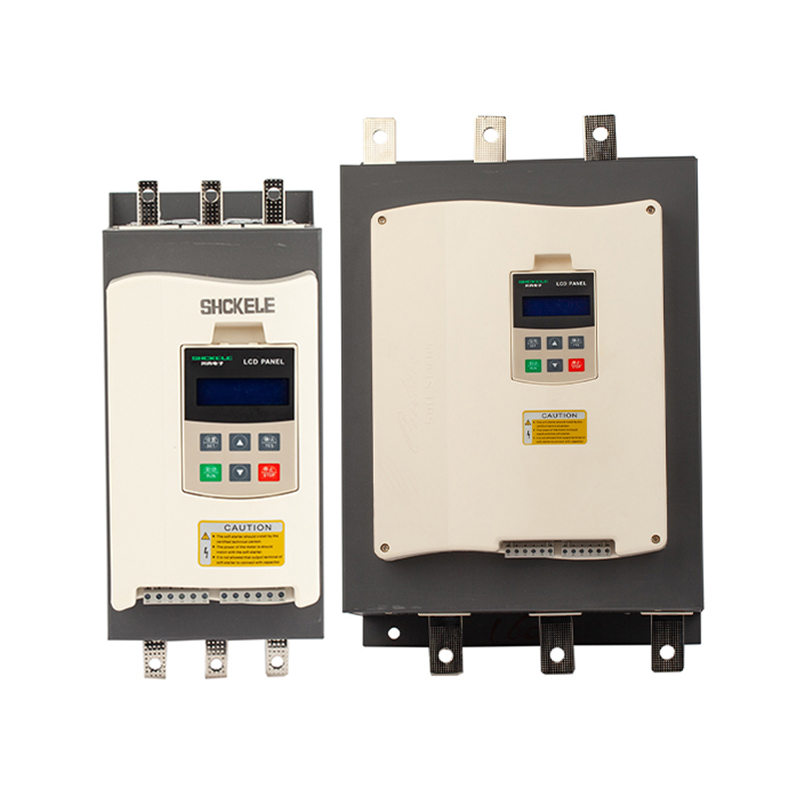
A motor soft starter is an electronic device designed to manage both the acceleration and deceleration of electric motors. Unlike a Direct-On-Line (DOL) starter, which applies a full power supply to the motor when it begins to turn, a soft starter ramps up the voltage applied to the motor from zero volts to the nominal operating voltage. This gradual ramping helps to minimize inrush currents during the electric motor’s start-up period, which reduces mechanical stress on both the motor and the mechanically connected load. Therefore, a soft starter will improve the life of both the motor and the load by controlling how fast they start to rotate.
Main Types of Industrial Motor Soft Starters
Motor soft starters can be categorized primarily into two types:
1. Solid State Soft Start: Uses a Thyristor for voltage control allowing for smooth ramp up of motor speed. These devices can be used in a variety of applications where speed control is necessary.
2. Electro-mechanical Soft Starters: While not as frequently used, this type of soft starter uses mechanical methods to create a gradual startup. Their ease of use also makes them best suited for applications where there is smaller motors or less stringent expectations about performance.
Key Benefits of Using Motor Soft Starters
Implementing a Soft Starter AC Motor offers a multitude of benefits:
1. Lower Mechanical Stress: Soft starters help to control acceleration, consequently reducing the amount of stress on motor parts, which in turn reduces excessive wear on these parts.
2. Energy Efficiency: Lower inrush currents result in lower energy consumed when starting up thus resulting into cost savings.
3. Improved System Reliability: When the engine and its related equipment operate more smoothly at both startup and stop will lead to significantly improved reliability in those components.
Protection features are commonly included in soft starters, such as protection from overloading, losing one phase or being jammed, and protecting your investment through these safety measures.
Common Application Scenarios for Motor Soft Starters
Motor soft starters find application in various industries and scenarios, including:
The use of a soft starter is necessary in order to avoid water hammer and pressure surges when using a pump.
1. Blowers and Fans: Controlled startup allows airflow to change gradually instead of suddenly, thereby increasing the life of HVAC equipment.
2. Conveyor Systems: Smoothly running conveyors will allow for safer handling of material compared to when there are jams, or another type of delay.
Soft starters are beneficial for any electrically powered industrial equipment. They help protect against the effects of snapping movements caused by sudden starting and stopping of all types of motor-driven machinery.
Conclusion
All in all, getting to know how motor soft starters work will help you improve the performance and lifespan of electric motors across a range of applications. Soft starters control how the motor starts and stops to minimise mechanical stresses, energy consumption and improve reliability of the system. Putting soft starters into your systems is a great way to optimise motor performance and reduce the risk of problems. As the industry continues to evolve, companies that use technology such as soft starters will be positioned for more efficient and better performing machinery.
Post time: Jun-30-2026