

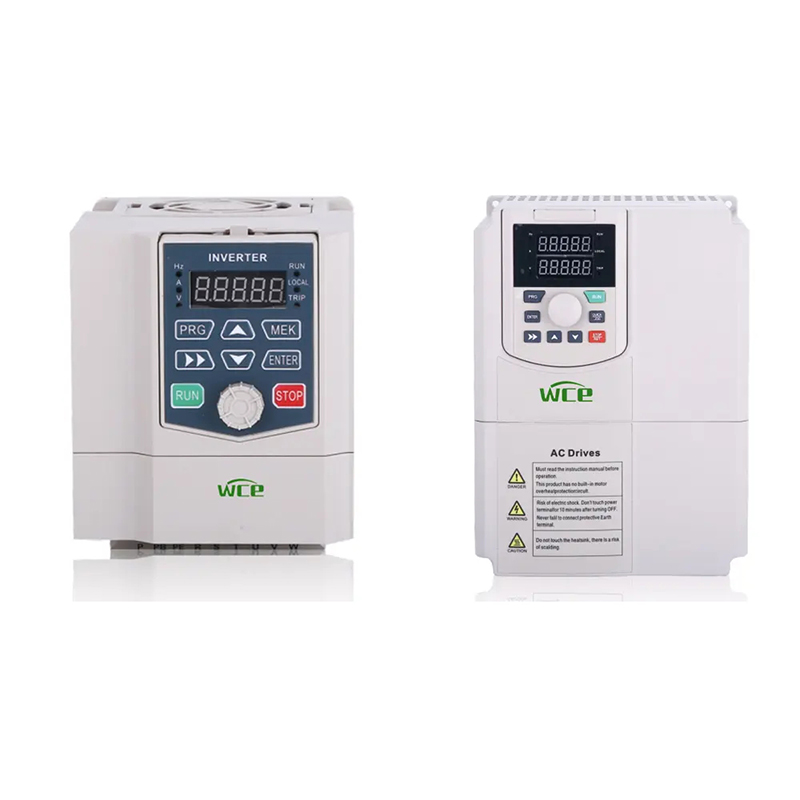
Frequency converters are commonly used as industrial drives. They adjust the electrical frequency supplied to motors, allowing them to run at different speeds and performance levels. This helps save energy while providing precise control of machinery. That is why they are becoming increasingly popular across industries they support energy‑efficient designs and operations.
What Does a Frequency Converter Accomplish?
A frequency converter controls a motor’s speed and torque by adjusting the input frequency of the power supplied to the equipment. Many operations need an AC motor to run at variable speeds depending on conditions. The frequency converter lets the operator make dynamic adjustments to the power supply frequency, providing the flexibility to change equipment speed as needed while using energy efficiently.
Frequency Converter Applications
Frequency converters are widely used in industrial applications today as a key device for saving energy and supporting detailed operational needs. Below are a few typical industry applications.
1. Manufacturing and Industrial Automation
Manufacturers and industrial users are often in high demand for variable speed control of equipment due to varying production requirements; therefore, they utilize variable frequency drives for their equipment (e.g., conveyors, pumps, fans, etc.) for the same reason.
2. HVAC Systems
Heating, ventilation, and air conditioning (HVAC) systems are the largest energy consumers in commercial buildings. Frequency converters optimize fans and compressors by adjusting motor speed based on real-time cooling or heating demand. This greatly reduces electricity waste from these motor-driven devices.
3. Renewable Energy Systems
Renewable energy systems like wind turbines use frequency converters as a key component. They adjust the electrical output frequency from turbines or solar inverters to match the grid frequency. This ensures efficient and reliable energy transmission to the grid.
4. Marine and Aerospace Applications
Onboard electrical systems in ships and airplanes rely on frequency converters to maintain stable operation. By converting electrical frequency to the required level, they maximize the performance of propulsion, lighting, and communications systems, even when power demand varies.
5. Industrial Robotics
The precision of frequency converters is essential for smooth, reliable motion in robotic arms and automated systems. They match motor speed and torque to ensure reliable operation and improve both safety and efficiency in robotic applications.
Why Are Frequency Converters Needed?
There has been an increased demand for frequency converters over the last few years because frequency converters have the ability to increase the energy efficiency, flexibility of operation, and the life of equipment. Often, without a frequency converter, motors will run at full speed regardless of the load. This results in a significant amount of wasted electricity and also causes premature failure of motor-driven equipment. Frequency converters save energy and money by matching the rotational speed of motors with the actual needs of the machine they are driving.
In addition to reducing energy use and operating costs, frequency converters minimize mechanical stress at start-up and shut-down, significantly reducing maintenance needs. Many industries rely on precision and reliability, such as manufacturing and oil and gas. Therefore, frequency converters are critical for achieving performance and productivity.
Are Frequency Converters and VFDs the Same Thing?
Frequency converters and VFDs (variable frequency drives) are often considered interchangeable. However, a VFD is a type of frequency converter designed to control motor speed through the adjustment of both voltage and frequency. A frequency converter can perform an additional function of converting power from one frequency to another (e.g., from 60 Hz to 50 Hz) for equipment that is designed to run at a different frequency than the electrical supply. However, in many manufacturing applications, VFDs and frequency converters will be used to refer to the same device.
Advantages of Using Frequency Converters
In addition to their primary functions, frequency converters offer many additional advantages:
1. Energy Savings
Matching the speed of an AC motor with the demand results in less wasted energy. Frequency converters provide environmentally friendly, cost-saving solutions for businesses.
2. Enhanced Performance of Systems
Systems powered by frequency converters operate in a much smoother and more reliable manner and thus are less likely to sustain interruptions in their operations.
3. Meeting Regulatory Standards
Many industries are required to meet stringent energy efficiency and environmental regulations. Frequency converters can help companies meet these regulations while reducing their energy expense.
4. Reduction in Noise Levels
By controlling motor speed, frequency converters also decrease noise levels, thereby creating a more effective working environment, especially for noise-sensitive applications.
Common Questions About Frequency Converters
How Does a Frequency Converter Work?
A frequency converter changes the frequency of electrical power supplied to an AC motor or any other equipment to facilitate precise control of speed while providing efficiency.
When Would Someone Use a Frequency Converter?
People use frequency converters to help facilitate improved efficiency of energy usage, decrease wear on machinery, and enhance performance through dynamic speed/torque changes of electrical motors.
Is a VFD the Same as a Frequency Converter?
No; VFDs are one type of frequency converter that provide the ability to control the speed of electric motors by varying frequency and voltage.
Summarize
Frequency converters are a critical part of modern technology, improving efficiency and performance across many industries. As demand grows for energy-efficient systems and precise motion control, frequency converters will remain essential for reducing energy use, enhancing system performance, and extending equipment life. They are key tools for companies that want to operate as efficiently as possible.
Post time: Apr-14-2026