

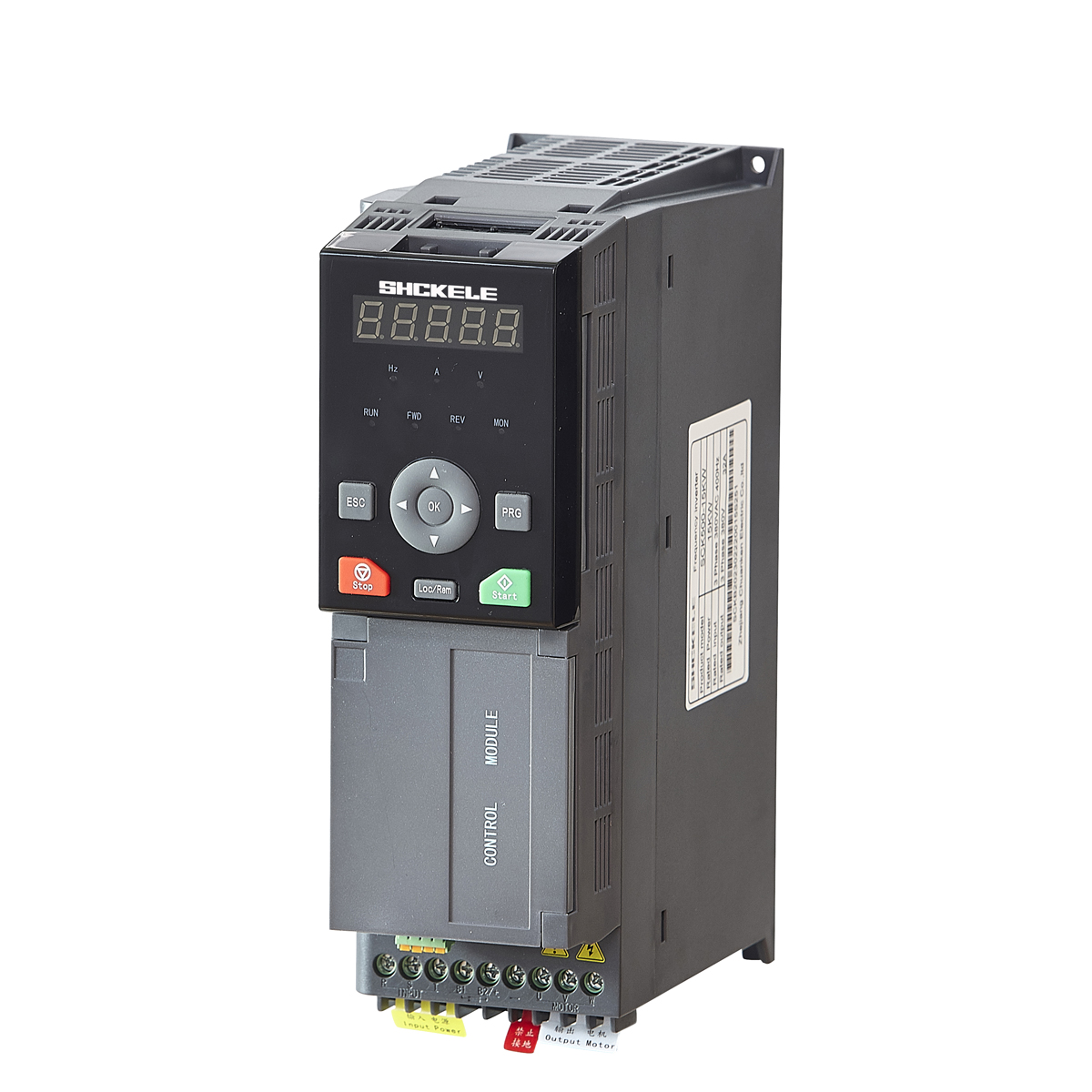
A frequency inverter, known as a variable frequency drive (VFD), frequency control inverter, or frequency drive inverter, is an important technology in today’s industry and commercial sectors. The main purpose of using this electronic device is to control the speed and torque of electric motors by changing the frequency and voltage in the electric supply. This simple alteration allows companies to improve efficiency and optimize processes and fulfill specific requirements in many applications.
How a Frequency Inverter Works
A frequency inverter allows conversion of alternating current (AC) having a fixed frequency to a variable frequency and voltage, for controlling the speed of AC motors. A frequency inverter works in three steps: firstly, AC is converted to direct current (DC); secondly, the DC output is filtered and regulated; and thirdly, the DC is changed back to AC at the required voltage and frequency with the help of electronic devices.
Key Benefits of Using a Frequency Inverter
Frequency inverters offer considerable advantages:
● Energy Efficiency: Inverters help cut down on power waste by adjusting speed to suit current processes, particularly for fans, pumps, and compressors.
● Process Control: Motor speed and torque can be controlled flexibly by the operators which will help them have smoother operation and less stress on machines.
● Extended Equipment Life: With the soft start feature of an inverter, it helps reduce the stress on machinery and motors thus minimizing the wear and tear of those machines.
● Power System Protection: Certain inverters may also feature necessary safety features such as overload detection and short circuit protection so as to ensure safe operations.
How Frequency Inverters Improve Energy Efficiency
By only operating the motors at the necessary speeds, frequency inverters make motor-driven systems more efficient. Applications with fans and pumps can see significant energy savings through speed reduction. In addition to this, inverter technology does away with mechanical throttling, which usually wastes energy. As a result, there is less energy consumed and lowered impact on the environment.
Considerations Before Installing a Frequency Inverter
Before installing a frequency inverter, review these factors:
● Motor Compatibility: Not all motors work with inverters. Check specifications and consult the manufacturer if needed.
● Load Profile: The application (constant torque or variable torque) determines what type of drive is suitable for your inverter selection.
● Electrical Infrastructure: Check whether the electrical system of your organization supports inverters. If required, take steps to rectify harmonics or interference.
● Environmental Conditions: Consider dust, humidity, and temperature to ensure the inverter’s reliability.
● Control Features: Decide whether you need basic speed control or advanced automation options.
● Regulatory Compliance: Make sure the inverter meets safety and electrical codes.
● After-Sales Support: Reliable technical support and maintenance are essential for smooth operation.
Frequently Asked Questions
Where are frequency inverters commonly applied?
They are commonly utilized in HVAC, water treatment, manufacturing, renewable energy, and food processing.
What should I check before installing?
Confirm whether the motor is compatible and has the required load specifications, determine the electrical infrastructure of the site, the control options, and check standard conformity.
Are inverters suitable for renewables?
Yes, they help synchronize variable energy from sources like wind and solar with grids.
The frequency inverter is an important component in acquiring accurate control of a motor. It is a significant investment for achieving optimum performance, sustainability, and money savings on an ongoing basis by meeting demands of your applications as well.
Post time: Oct-20-2026