

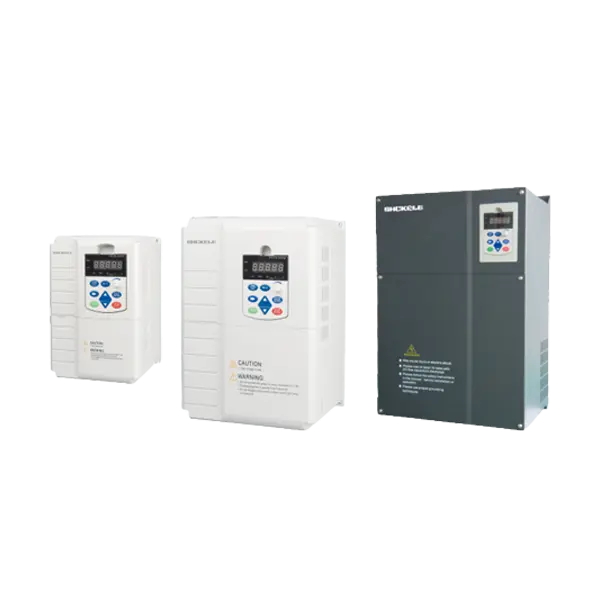
An oft-used term within industrial automation and electric motor control is a frequency inverter or variable frequency drive (VFD). Frequency inverters provide the ability to regulate both the speed and resulting torque of an electric motor by modifying the frequency of the power source supplied to that electric motor. This article offers definitions, explanations of frequency inverter theory and operation, descriptions of its types of frequency inverters, and identification of important frequency inverter components; therefore, you should have all the information necessary to understand this vital piece of equipment.
Definition of a Frequency Inverter
A frequency inverter is an electric motor controller which alters both the input frequency and voltage of an AC power Supply to an electric motor by varying its frequency and therefore controlling the speed, torque and power output of the motor. This allows the operator to accurately control the speed and/or torque of electric motors that can operate at different speeds including conveyors, pumps, fans or other types of equipment requiring varying speeds.
Key Components of a Frequency Inverter
The functionality of a frequency inverter is maintained by several crucial components:
1. Rectifier: Converts the incoming AC voltage to DC voltage.
2. DC Bus: Stores the DC voltage and helps filter the output for smooth operation.
3. Inverter: Converts the stored DC voltage back into AC voltage but at a variable frequency and voltage.
4. Control Circuit: Governs the speed and torque output by manipulating the inverter’s operation.
Working Principle of a Frequency Inverter: Step by Step
Understanding how a frequency inverter works can provide deeper insights into its importance:
The initial step will be converting the incoming alternating current (AC) voltage to direct current (DC) using a rectifier. After the DC voltage is produced, it is stored and cleaned up using the DC bus. After the DC voltage is ready, the inverter can accept the cleaned-up DC voltage and output alternating current (AC) at an adjustable frequency. The output frequency of the inverter will provide control over the motor speed and achieve precision control.
Types of Frequency Inverters: A Complete Overview
Frequency inverters come in various styles, suited for different applications:
1. Voltage Vector Control Inverters: These are ideal for applications needing high starting torque and dynamic performance.
2. Current Vector Control Inverters: Because of their superior level of torque sensitivity at low-speed operation, they can be used in applications on cranes and hoists.
3. Sensorless Vector Control Inverters: These solutions provide high performance and do not require additional sensors that would make their installation and maintenance simpler.
4. High Frequency Inverters: Typically used in applications that require very low-speed operation and high efficiency.
Benefits of Using a Frequency Inverter
Implementing a frequency inverter can yield numerous advantages, including:
1. Energy Savings: By adjusting the motor’s speed, power consumption is reduced significantly.
2. Improved Process Control: Enhanced precision in motor speed leads to optimized performance.
3. Long-Term Use of Equipment: Less damage to equipment caused by proper acceleration and deceleration = longer life for the equipment.
4. Lower Maintenance Costs: Fewer mechanical failures translate to lower upkeep expenses.
FAQs about Frequency Inverters
Q: Can frequency inverters work with any motor?Most frequency inverters are designed to work with three-phase AC induction motors; however, they may require some modification to operate on a single-phase motor.
Q: Do frequency inverters require special wiring?A: They don’t require unique wiring, but installation needs to be done properly and electrical codes must be adhered to so that they are safe and function properly.
Q: How do I select the right frequency inverter for my application?A: Take into account things like the power rating of the motor, how it will be operated, how it will be controlled, and what the needs are with respect to the application so that you can make an informed decision on which inverter would be best.
It is critical to comprehend how frequency inverters function and their value in order for businesses to enhance their overall efficiency as well as comply with the requirements of today’s advanced manufacturing/automated environment. By providing intelligent control of electrical motors, frequency inverters not only increase production but also provide significant financial savings. As the industrial world moves to a new era so too will the role that frequency inverters play in achieving operational excellence in companies be very important.
Post time: Jun-18-2026