

If you work with large motors in HVAC, pumps, conveyors, or industrial fans, you know startup is a challenge. Direct starting draws massive inrush current and delivers a mechanical jolt that stresses both motor and equipment. A soft starter solves this by ramping up voltage gradually. Once at full speed, keeping the soft starter in the circuit creates heat and energy loss. That’s where a bypass soft starter comes in. This guide explains what it does, why it matters, and when to consider one.
What Exactly Is a Bypass Soft Starter?
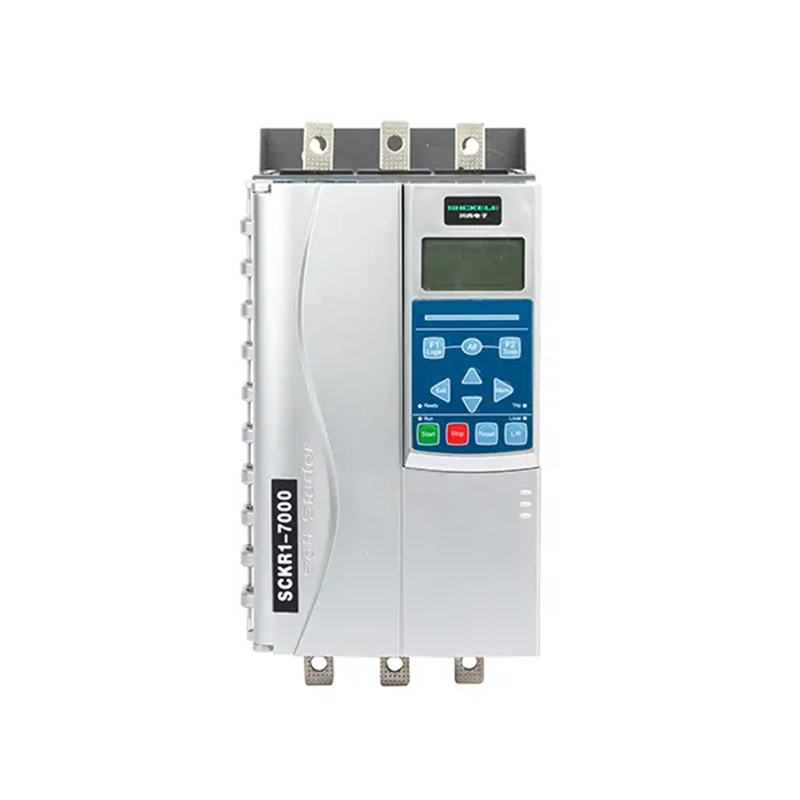
A bypass soft starter combines two functions in one unit. First, it acts as a standard soft starter, controlling voltage during motor startup to limit inrush current and reduce mechanical stress. Once the motor reaches full speed, internal contactors automatically bypass the solid-state components, allowing current to flow directly to the motor through a mechanical path. The soft starter remains on standby, monitoring the system and ready to step back in if needed.
In simple terms, you get the controlled startup of a soft starter with the efficiency and reliability of a direct connection during normal running.
Why Bypass Matters: The Key Functions
The primary function of a bypass soft starter is to improve system efficiency and reliability. Here’s how:
1. Reduced Heat Dissipation
Solid-state components generate heat when current passes through them. By bypassing these components once the motor is up to speed, the system eliminates that heat source. This means smaller enclosures, less cooling requirements, and longer component life.
2. Lower Energy Loss
Even the most efficient solid-state devices introduce some power loss. A mechanical bypass contactor has near-zero losses, which adds up over continuous operation especially on motors that run for long hours.
3. Enhanced Reliability
When the soft starter is bypassed, the solid-state components are no longer under continuous electrical stress. This reduces wear and extends the lifespan of the soft starter itself. If a failure does occur, many bypass soft starters can continue operating in bypass mode, providing a degree of redundancy.
4. Simplified Troubleshooting
With a bypass configuration, operators can often isolate whether an issue lies with the soft starter or the motor. This makes diagnostics faster and reduces downtime.
Where Bypass Soft Starters Are Used
You’ll find bypass soft starters in applications where motors run continuously for extended periods. Common examples include:
●Pumps: Water treatment, irrigation, booster stations, and industrial pumping where motors may run 24/7
●Fans and blowers: HVAC systems, ventilation, and air-handling units
●Conveyors: Material handling systems that run for long shifts
●Compressors: Air compressors and refrigeration systems
●Centrifugal machines: Applications where startup control is critical but continuous soft starting is unnecessary
In these settings, the combination of controlled startup and efficient running makes a bypass soft starter a practical choice.
Bypass Soft Starter vs. Standard Soft Starter
The difference comes down to how the system operates after startup. A standard soft starter keeps the motor current flowing through its silicon-controlled rectifiers (SCRs) or other solid-state devices during the entire run cycle. This is acceptable for applications with frequent starts and stops, but for continuous operation, the heat and energy losses become a concern.
A bypass soft starter eliminates those losses. After startup, the motor runs through a mechanical contactor, just as it would with a direct-on-line starter but without the harsh starting conditions.
Common Questions Buyers Ask
Does a bypass soft starter add complexity?
Slightly, but modern units integrate the bypass contactors internally, so installation is similar to a standard soft starter. The added complexity is minimal compared to the benefits in efficiency and reliability.
Can it handle frequent starts?
Yes. The bypass contactors are designed for the number of starts typical in industrial applications. For very high cycling rates, some models allow operation without bypass during short duty cycles.
What happens if the bypass contactor fails?
Many bypass soft starters can continue operating through the solid-state path, allowing the system to run until maintenance can be scheduled. This built-in flexibility is a key advantage.
Benefits at a Glance
●Controlled startup: Limits inrush current and reduces mechanical shock
●Energy efficiency: Near-zero losses during continuous running
●Lower heat output: Allows smaller enclosures and reduced cooling needs
●Extended component life: Solid-state devices are protected from continuous operation
●Reliability: Bypass path provides operational flexibility and redundancy
Summarize
A bypass soft starter offers the best of both worlds: smooth, controlled motor starting that protects electrical systems and mechanical components, combined with the efficiency and reliability of a direct connection once the motor is running. For continuous-run applications like pumps, fans, conveyors, or compressors, this translates into lower operating costs, less downtime, and longer equipment life.
Post time: Mar-31-2026