

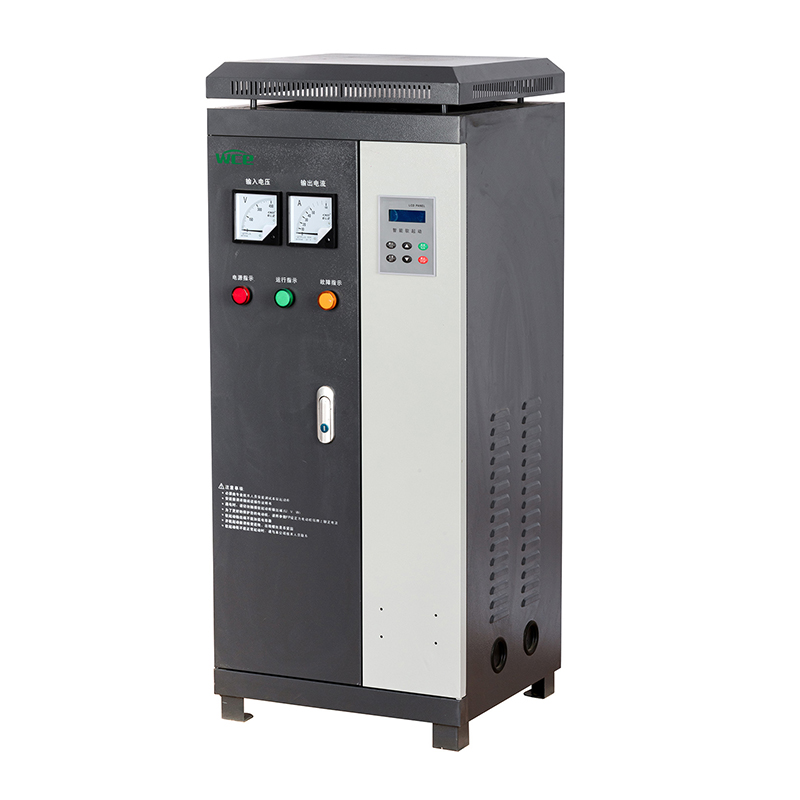
A soft starter solves the harsh start-up of large motors by managing inrush current and providing a gradual voltage ramp-up. This ensures smooth, controlled acceleration, protecting motors and connected machinery from stress and wear. For a complete and reliable installation, this device is typically integrated within a professionally designed Soft Starter Control Cabinet.
Core Benefits: Protecting Your Investment
The primary purpose of a soft starter is protection and reliability. By reducing mechanical shock and electrical stress during startup, it significantly extends the lifespan of motors, pumps, gearboxes, belts, and conveyor systems. This translates directly into fewer breakdowns, reduced maintenance costs, and less unplanned downtime for your operations. Limiting the inrush current prevents disruptive voltage dips on your power supply, which helps protect other sensitive equipment connected to the same electrical network.
Ideal Applications for Smooth Starting
Soft starters are not always needed for every motor, but they are highly beneficial in specific scenarios. Common applications include:
·Centrifugal Pumps: Preventing damaging water hammer and pressure surges in pipelines.
·Conveyor Belts: Eliminating jerky starts that can cause material spillage or belt slippage.
·Fans and Blowers: Reducing the sudden torque load on fan blades, bearings, and shafts.
·Compressors: Managing the high initial load to ensure a smoother operational cycle.
For these systems, opting for a pre-configured Soft Starter Control Cabinet offers significant advantages. This integrated solution neatly packages the soft starter with essential protective devices, cooling components, and control interfaces in one secure, ready-to-install enclosure.
What to Look for in a Complete System
When considering a soft starter for your application, think beyond the individual device. Here are key points to evaluate:
1. Motor Specifications: Ensure the soft starter’s current and power rating correctly match your motor’s requirements.
2. Control Features: Look for adjustable start/stop times, current limiting settings, and built-in protection functions.
3. System Integration: Consider how the starter will be installed and controlled. A dedicated Soft Starter Control Cabinet simplifies this process immensely. It provides a centralized, safe point of operation, ensures proper wiring, and often includes safety disconnects and monitoring systems. Choosing a cabinet with the correct Ingress Protection (IP) rating is also crucial for environmental durability.
Conclusion
Ultimately, the purpose of a soft starter is to provide a controlled, gentle startup for electric motors. This directly safeguards mechanical systems from stress and improves overall operational performance. While the soft starter is the key functional component, installing it within a dedicated Soft Starter Control Cabinet offers a well-organized, safe, and reliable solution. Recognizing this purpose helps in making practical decisions that support equipment durability, system efficiency, and sustainable facility operation.
Post time: Jan-13-2026