

If you are working in industrial automation and control systems, you want to understand some important things about the frequency inverter. This device controls the speed and torque of electric motors, helping to save energy, improve production efficiency, and operate machines more efficiently. In this article, we will discuss what frequency inverters are, how they work, their most common uses, and some common problems with them.
What Is a Frequency Inverter? (Definition & Core Function)
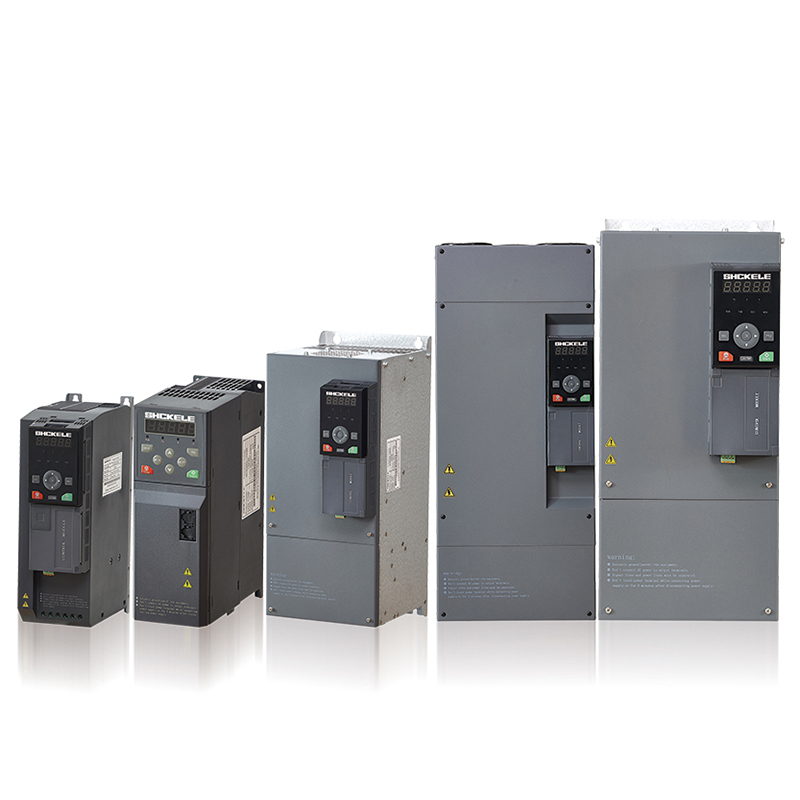
An electronic device known as a frequency converter is a frequency inverter. This device changes the frequency at which electricity powers an electric motor. When an electric motor has its voltage supplied and frequency controlled by an inverter, precise control over the speed and torque of the motor can be achieved through the inverter (frequency inverter). Frequency inverters are beneficial for many different kinds of applications in manufacturing and HVAC systems, where precision motor control is required.
How Does a Frequency Inverter Work? (Step-by-Step Principle)
The operation of a frequency inverter can be broken down into several key steps:
- RectificationWhen first receiving the AC power from the incoming source, the inverter will convert that AC power into DC power utilizing diodes.
- FilteringThe DC voltage is subsequently cleansed or filtered to minimize ripple and produce a smooth and constant powered supply.
- InversionThe inverter circuit converts the DC from filtering back into AC, but instead of having fixed frequencies and voltages it will allow the user to adjust them to their liking via a control panel on the inverter itself.
- ControlThe microcontroller controls the frequency output so that operators can adjust the speed and torque needed.
This process of transforming and controlling enables accurate speed control, which is needed to minimize product loss and enhance energy efficiency.
Top 5 Industrial Applications of Frequency Inverters
Inverter drives are multi-functional devices that can be used across all industries. The following list will highlight the top five industrial applications of inverter drives:
- HVAC SystemsAcross HVAC applications, frequency inverters are used to modulate the speed of fans (and pumps) in order to optimize energy usage and also to keep the desired indoor temperature.
- ConveyorsConveyor belt systems control the motor speeds, allowing products and/ or materials to be moved around smoothly.
- PumpsInverters that provide frequency control capabilities allow for improved pump control and better process performance which also reduces wear on the pumps.
- FansIn a variety of industry sectors, using frequency inverters with their fans produces energy, while also allowing better regulated airflow.
- Manufacturing EquipmentBy adjusting motor speeds according to the required operation, inverters will improve equipment performance and increase safety.
Common Problems and Troubleshooting Tips for Frequency Inverters
1. Overheating – Possible causes of overheating include lack of ventilation or overload. The inverter should have adequate airflow and not be loaded to excess.
2. Output frequency fluctuations may occur due to improper settings or wiring. Verify configuration settings against the motor specifications and check all connections.
3. Error codes: Inverter error codes are frequently shown. Refer to your user’s manual to decode each of these messages and fix the specific issue identified by the error code.
Controlls that do not respond correctly (unresponsive) – A few causes of controllers becoming unresponsive can be a result of an unstable power supply, blown fuses/blown circuit breakers, etc. Therefore check the supply for these issues before taking further action.
Conclusion
A frequency inverter is an essential element of contemporary industry, providing flexibility, efficiency, and improved control of electric motors. Knowing how frequency inverters operate, how they are used, and how to troubleshoot them will help users optimize their systems. By installing a frequency control inverter to manage your HVAC system, pump, or manufacturing equipment, you may experience considerable improvements in the success of your operations.
Post time: Jul-07-2026