

The Frequency Inverter is one of the most important technologies in industrial automation that helps to improve the performance and efficiency of motor control systems. Knowing how frequency inverters operate can help reduce costs while achieving higher efficiency when using electric motors, whether it is in a conveyor, HVAC equipment, or any other type of equipment.
What Is a Frequency Inverter?
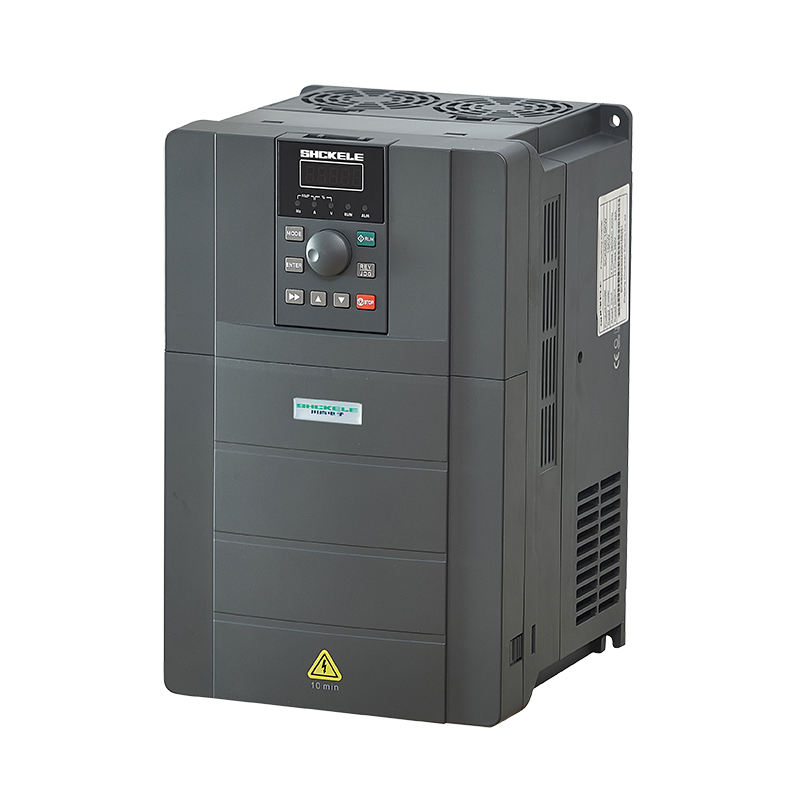
The frequency inverter, often referred to as a variable frequency drive (VFD) or frequency control inverter, is a type of electronic device that regulates the motor speed and torque. This is done through the modification of electrical power frequency and voltage. This regulation is very important in processes where the motor speed must be different to achieve optimization.
Common Types of Frequency Inverters
Several different kinds of frequency inverters are available today, each of which is appropriate for various industrial uses.
1. Volts/Hertz (V/F) Inverters: This simple type of frequency inverter is easy to use and often used for basic applications, following a fixed ratio between voltage and frequency.
2. Vector Control Inverters: They are capable of accurately controlling both speed and torque of the motor which makes them very suitable for the case where performance matters.
3. Servo Drives: Servo drives are applied in applications that require high precision and high dynamics. Servo drives perform much better than traditional frequency inverters in terms of motion control.
How to Select the Right Frequency Inverter
Selecting the right frequency inverter requires consideration of several factors:
1. Motor Specifications: To verify that the inverter and motor are compatible, check the voltage, horsepower, full-load amp rating, and other specifications of the motor.
2. Application Needs: Comprehend the specific requirements of your application, including the need for exact speed regulation, torque regulation, or quick acceleration.
3. Environment: Assess the conditions that the inverter will operate in. Will it be exposed to dust, moisture, extreme temperatures, or other factors? Choose an inverter designed to withstand harsh environments if needed.
4. Communication Protocols: Make sure your inverter can support any communication protocols you may need to integrate it into the existing control systems.
Typical Industrial Motor Control Applications
Frequency inverters find applications across a wide range of industries:
1. HVAC Systems: Frequency inverters are involved in heating, ventilation, and air conditioning technology for controlling fan and pump speeds so that energy consumption is lessened.
2. Conveyor Systems: They assist in controlling the velocity of conveyor belts, promoting seamless cargo operations and higher level of production.
3. Process Industries: Chemical and food processing require accurate motor control for pumping, mixing, and blending operations.
4. Agriculture: Frequency inverters are also utilized in applications such as irrigation systems.
Frequently Asked Questions
1. What is the typical lifespan of a frequency inverter? Typically, the lifespan of frequency inverters is about 10 to 15 years in relation to the usage as well as external conditions.
2. Can I retrofit an existing motor with a frequency inverter? Many motors currently in use can be fitted with frequency drives in order to enjoy the advantages of variable speed operation.
3. How do I maintain a frequency inverter? It is necessary to routinely check the connections, the cooling mechanism, and application upgrades to ensure that the system works properly.
4. Are frequency inverters energy-efficient? The motor comes into action only when necessary and operates at the optimal speed, thus enhancing energy efficiency.
To sum up, a frequency inverter is an important part of modern industrial motor control. By providing adjustable control of motor speed and torque, a frequency inverter improves operational efficiency and leads to energy conservation and better performance of various processes. Choosing the right frequency inverter, appropriate for your requirements, can significantly enhance your productivity and cost-effectiveness.
Post time: Aug-11-2026