

With the advancements in industrialization in today’s world, there arises a pressing demand for better management of motor speeds, thus leading to a broader usage of variable frequency inverters. The introduction of VFIs has proven useful in optimizing overall energy consumption and improving process control. If you are planning to invest in one of these devices, here is what you should know to make a better decision.
What Is a Variable Frequency Inverter and How It Works?
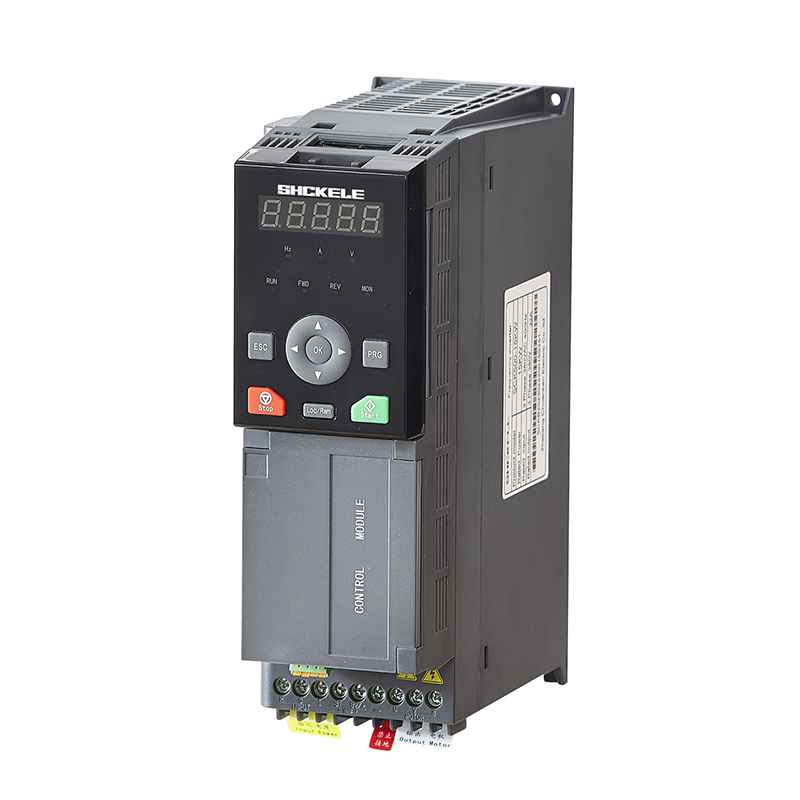
A Variable Frequency Inverter is a piece of equipment that converts direct current (DC) into alternating current (AC) and controls the frequency and voltage that are delivered to an electric motor. This method of modulation plays an essential part in a variety of applications from HVAC system to conveyor system and provides an opportunity to control easily the speed and torque of the motor. By changing the frequency VFI is able to change the speed of the motor according to different operating conditions for improved efficiency and performance.
Key Factors to Consider When Selecting a VFD
When choosing a Variable Frequency Drive (VFD), several key factors deserve your attention:
1. Motor Compatibility: It is very important to verify that the characteristics of the VFD are in accordance with motor specifications such as voltage, phase, and power. This will allow you to reach your goals without harming your motor.
2. Load Type: Different types of applications, whether they are working under a constant torque, variable torque, or constant power, can require different characteristics of VFDs. It is crucial to understand the load requirements in order to pick the right VFI.
3. Environmental Considerations: The conditions in which you operate will influence your decision-making. If you’re operating under dusty, humid, or high-temperature conditions, your selection should be a VFD that can support these conditions.
4. Control Method: VFDs provide several options for control, such as scalar control (V/f control) and vector control. Scalar control is somewhat economical compared to vector control but does not perform as well as the latter.
Matching the Inverter to Your Motor Specifications
Connecting the VFI to your motor properly is essential for the best performance. A single-phase Variable Frequency Inverter is usually less complicated than a 3-phase one, so whether to choose single-phase or 3-phase inverters depends on the application. Single-phase inverters would work well if the application is small, while 3-phase inverters are better for large industrial motors that require more power. Always check the motor’s nameplate rating and the inverter’s specs before making a choice.
Common Mistakes to Avoid When Buying a VFD
When purchasing a Variable Frequency Inverter, be mindful of common pitfalls:
1. Neglecting to Analyze Load Requirements: In case you pay no attention to specific requirements of the application, it would result in poor functionality or overload of the inverter.
2. Choosing Based on Price Alone: Although budget limits are crucial, choosing the least expensive option can often lead to a lack of effectiveness and larger costs in the future due to repairs and inefficiencies.
3. Underestimating Installation and Maintenance Needs: You need to take into account the difficulty of installing and the continuous maintenance your VFI may need. An appropriate plan guarantees greater operating life and effectiveness.
Conclusion
Selecting a suitable Variable Frequency Inverter is essential since it can dramatically influence your operational efficiency and effectiveness. By knowing how variable frequency inverters function, taking into account several critical selection parameters, ensuring that inverter specifications match the motor, and avoiding pitfalls that some buyers face, you can make the right decision based on facts. This means that you must be diligent and do lots of research as well as consult with suppliers.
Post time: Jul-28-2026