

Soft starters play a crucial role in reducing the inrush current and mechanical stress on motors by gradually increasing voltage during startup. While widely used in motor control systems, especially in soft starter cabinets and soft starter control cabinets, they also come with some limitations. In this article, we will outline the disadvantages of soft starters and provide insights to help you decide whether they are the right solution for your application.
Understanding the Soft Starter
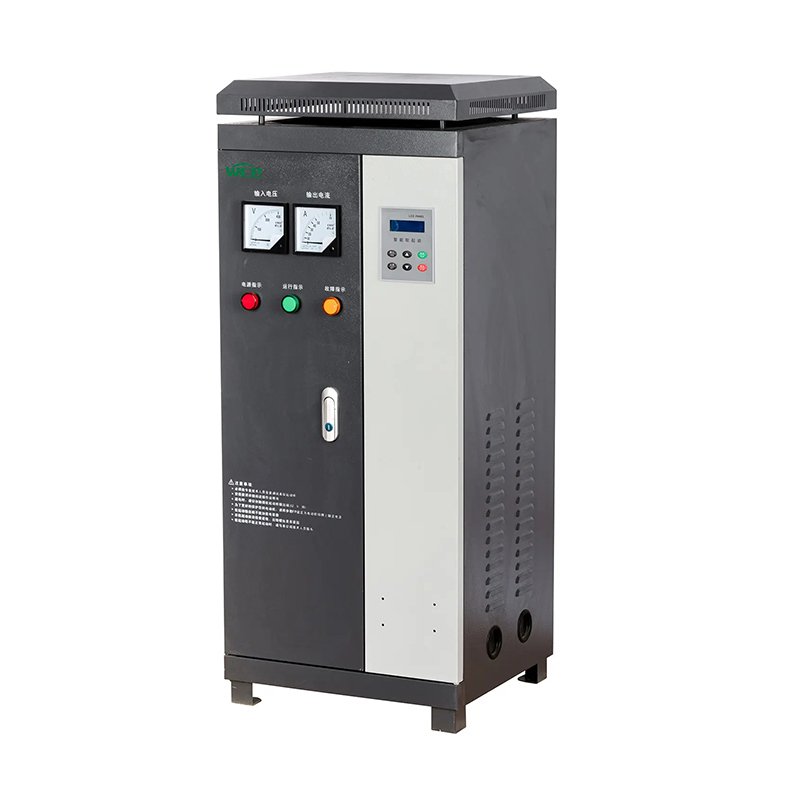
A soft starter is an electrical device specially designed to control the acceleration of an electric motor by modifying the supply voltage. Commonly installed in soft start cabinets, this technology minimizes the mechanical wear on motors and connected systems. However, despite its benefits, there are certain drawbacks users must consider when choosing between a soft starter and alternative motor control solutions such as variable frequency drives (VFDs).
The Disadvantages of a Soft Starter
1. Limited Speed Control
One of the key disadvantages of soft starters is their inability to provide continuous speed control during motor operation. Once the motor reaches full speed, the soft starter has completed its task and offers no further functionality. For applications requiring variable motor speed during operation, a VFD would be a more suitable choice.
2. No Energy Savings at Full Load
Unlike VFDs, which optimize speed and power consumption, soft starters do not provide energy savings once the motor is operating at full load. They only assist during the starting phase, which means the operational efficiency of the motor remains unchanged. This makes soft starter cabinets less ideal for applications focused on energy efficiency.
3. Limited Torque Control
Soft starters offer limited torque control compared to other motor-starting solutions. This can be problematic for certain industrial applications that require precise torque adjustments during start-up or operation. Situations with heavy starting loads might also require alternative solutions that are better equipped to handle such demands.
4. Unsuitable for High-Inertia Applications
Soft starters may struggle to perform effectively in high-inertia applications, such as large fans, conveyors, or pumps, where long acceleration times or continuous torque adjustments are a necessity. The inability to maintain proper motor performance during these challenging conditions can increase wear and tear and reduce operational efficiency.
5. Insights on Electrical Noise and Disturbances
During operation, soft starters can cause minor instances of electrical noise and harmonic distortion. Though minimal compared to other motor control devices, this could pose an issue in sensitive environments where maintaining a clean power supply is crucial. Ensuring proper selection and soft starter cabinet installation may help minimize these effects.
Frequently Asked Questions
What are the disadvantages of soft starters?
As discussed, soft starters are limited in continuous speed control, energy savings at full load, torque control, and high-inertia application handling. They can also introduce minor electrical noise. For specific needs such as energy optimization or precise speed adjustments, other solutions like VFDs may be better suited.
What is the lifespan of a soft starter?
The average lifespan of a soft starter ranges from 5 to 15 years, depending on the quality of the product, frequency of use, and maintenance. Proper installation within a reliable soft starter control cabinet can prolong its lifespan by protecting it from dust, moisture, and other environmental factors.
Do soft starters damage motors?
When appropriately selected and installed, soft starters typically do not damage motors. In fact, they can extend a motor’s life by reducing the mechanical and electrical stress experienced during startup. However, using an improperly sized or unsuitable soft starter may lead to operational issues, potentially causing harm to both the motor and the system.
Soft Starter vs Variable Frequency Drive (VFD)
If you’re considering a soft storage cabinet for your motor control solution, it’s worth exploring how soft starters compare to variable frequency drives. While soft starters excel in reducing inrush currents and mechanical stress during startup, VFDs are more versatile. VFDs provide continuous speed and torque control, making them suitable for applications requiring energy efficiency and variable operating conditions. Each choice has its niche, and the final decision should depend on the specific needs of your application.
Considerations for Choosing a Soft Starter
When installing a soft starter in a soft start cabinet, several factors must be considered, including motor size, load type, and environmental conditions. A careful assessment of these variables can optimize performance and minimize the drawbacks mentioned above. Additionally, consulting with an expert or supplier specializing in soft starter solutions can ensure proper selection and installation.
Conclusion: Soft starters provide a simple and cost-effective solution for reducing inrush currents and mechanical stress on motors. However, their limitations, such as lack of continuous speed control, absence of energy savings at full load, and limited torque control, make them less suitable for certain applications. By understanding their disadvantages and carefully assessing your requirements, you can decide whether a soft starter cabinet or an alternative motor control solution like a VFD is the best fit for your needs. Remember to work with a reputable supplier to find a solution tailored to your specific industrial requirements for maximum efficiency and performance.
Post time: May-28-2026