

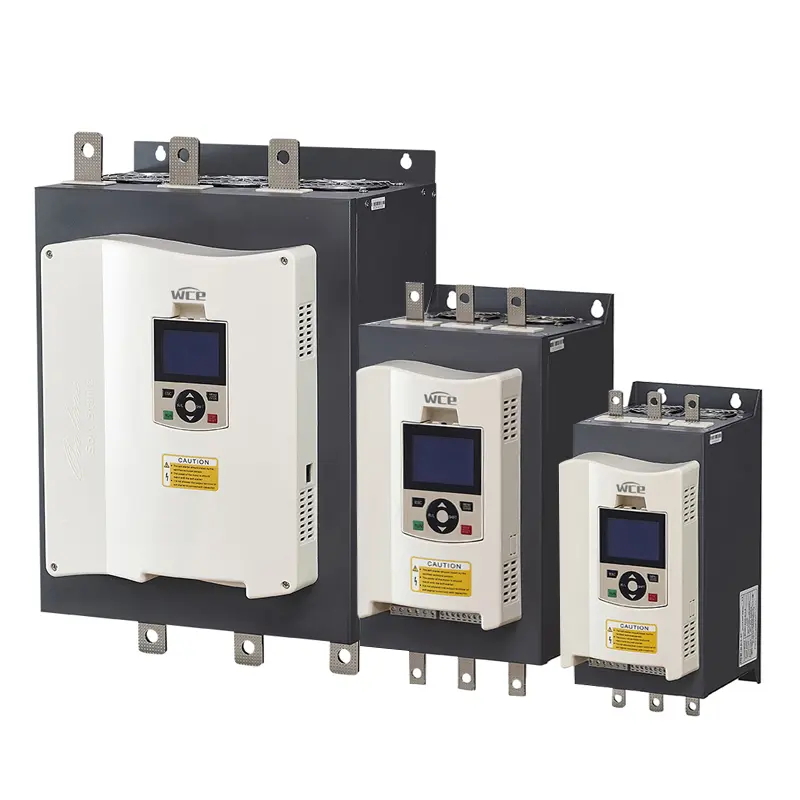
A motor soft starter is a device that limits the starting current of an electric motor. Instead of slamming the motor with full voltage, it ramps up the power gradually. This protects the motor, the driven equipment, and the electrical system. But where should you actually put one? This guide covers the typical locations, what to consider before installing, and why placement matters more than you might think.
What Is a Motor Soft Starter?
Before talking about location, let’s be clear on what a motor soft starter does. It sits between the power supply and the motor. When you start the motor, the soft starter limits the inrush current. Instead of a sudden jolt, the motor accelerates smoothly. This reduces mechanical stress on belts, gears, and pumps. It also prevents voltage dips that can bother other equipment on the same circuit.
Where to Locate a Motor Soft Starter
The short answer is: as close to the motor as practical, but not inside the motor housing itself. Here are the most common locations.
●Inside a motor control center (MCC): The most common spot. An MCC holds starters and controls for multiple motors. A motor soft starter fits into a bucket or drawer like a traditional starter, keeping everything organized and central.
●In a standalone enclosure: For one or two motors, mount the soft starter in its own small enclosure, wall‑mounted near the motor. This is common for retrofits because you don’t need to rebuild the entire control center.
●Inside a pump or fan skid: On packaged systems like pump skids or fan arrays, the soft starter is pre‑mounted inside the skid’s control panel by the manufacturer. You just supply power and connect the motor leads.
●Next to the motor in clean areas: If the motor is in a clean, dry area, you can mount the soft starter on the wall next to it. But if the motor is in a wet, dusty, or hot location, keep the soft starter in a separate, cleaner space. Soft starters contain electronics and do not tolerate water, cement dust, or extreme heat.
Where NOT to Put a Motor Soft Starter
Some locations seem convenient but cause problems.
●Inside the motor terminal box: Not possible. The terminal box is too small and too hot.
●Outdoors without a weatherproof enclosure: Rain kills electronics. If you must put it outside, use a NEMA 4X or IP65 enclosure.
●Directly above a heat source: A soft starter generates its own heat. Putting it above a hot pipe or a large resistor shortens its life.
●Inside a vibrating machine: Mounting a soft starter on a vibrating conveyor or a punch press can shake internal connections loose. Mount it on a stable wall or panel instead.
How Far Can the Soft Starter Be From the Motor?
The distance between a motor soft starter and the motor affects performance. Longer cables cause more voltage drop. For most applications, keep the distance under 50 meters (about 150 feet). Beyond that, larger cables or a different starting method may be needed.
There is another limit. Some soft starters use a bypass contactor that closes after the motor reaches full speed. The contactor itself is fine with long distances. The silicon controlled rectifiers (SCRs) inside the soft starter can be damaged by reflected voltage waves on very long cables. If you must go over 100 meters, add an output reactor or a sine wave filter.
What About Mounting Orientation?
Most motor soft starters are designed to mount vertically on a flat panel. The heat sinks rely on natural convection. Hot air rises off the fins. If you mount the unit sideways or upside down, the heat does not escape as well. The unit runs hotter and may derate or shut down.
Check the manual for your specific model. Some allow horizontal mounting if you reduce the current rating. But when in doubt, mount it vertically with at least six inches of free space above and below for airflow.
Typical Applications and Their Locations
●Conveyor belts: The soft starter goes in a nearby control panel, usually within sight of the conveyor. This allows an operator to reset it quickly if a jam occurs.
●Pumps: For a pump in a basement or a well house, put the soft starter in a dry panel above the flood line. Do not mount it low where water could reach it.
●Fans and blowers: Fans are often on roofs or in mechanical rooms. The soft starter can go in the same room but not directly in the airstream. Dusty air clogs the heat sink fins.
●Compressors: Air compressors create vibration. Mount the soft starter on a separate wall or on a vibration‑isolated panel inside the compressor room.
Installation Tips for Long Life
1.Use copper cables rated for at least 75°C.
2.Tighten all power terminals to the torque specified in the manual. Loose connections overheat.
3.Do not run control wires in the same conduit as power wires. The electrical noise can cause false tripping.
4.Add a disconnect switch between the supply and the soft starter. This lets you safely work on the unit.
5.If the motor is outdoors, add a surge protector to the line side. Lightning strikes can kill soft starters.
Common Questions From Buyers
Can I put a motor soft starter in the same enclosure as a variable frequency drive?
Yes, but keep them separated. Leave space for airflow. Also, soft starters and VFDs can produce electrical noise. Follow the manufacturer’s layout guidelines.
Does a soft starter need a separate cooling fan?
Most small units do not. They use a heat sink. Larger units (above 200 amps) sometimes have built‑in fans. If the enclosure is sealed, you may need a panel fan to move hot air out.
Can I mount a soft starter on a wooden board?
Only if the board is fire‑rated. Soft starters can get hot. Use metal backplates whenever possible.
What if my motor is 1000 feet away?
A soft starter is probably not the right choice at that distance. Consider a reduced voltage auto‑transformer starter or a VFD with a sine wave filter instead. Or move the soft starter closer to the motor.
Final Recommendation
Place your motor soft starter in a clean, dry, ventilated location as close to the motor as practical. Mount it vertically inside a proper enclosure. Keep it away from heat, vibration, and moisture. Follow the distance limits and use the right cables. Get those basics right, and a quality soft starter will run for years without trouble.
Post time: Apr-16-2026